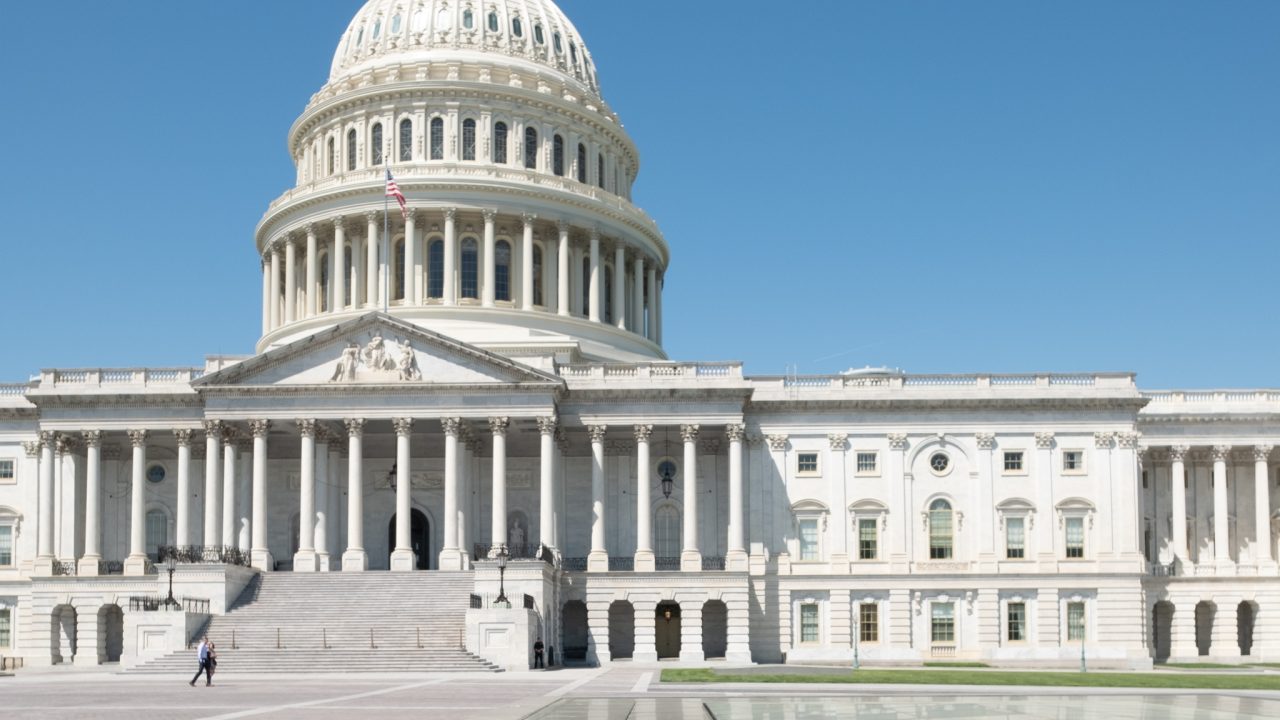
In November 1998, then Representative-elect Paul Ryan (R-Wis.) spoke on C-SPAN about the need to reform the tax code, stating “our tax system is punishing all those qualities that make America great.” More than 19 years later, he stood on the House floor to deliver the final Republican argument in favor of the Conference Report for the Tax Cuts and Jobs Act.
By ushering through the first comprehensive reform of the tax code in more than 30 years, Speaker Ryan and Senate Majority Leader Mitch McConnell have provided the first major victory for the Republican Congress and the Trump administration.
The new tax code is intended to provide many Americans with more money in their paychecks and enable employers to invest in their businesses, create new jobs in their communities and drive growth. However, it received no bipartisan support, and currently most Americans have a low opinion of the bill. Here’s a look at the good the bill has done, the bad that should—and can—be fixed, and the ugliness that surrounded it.
The Good
First and foremost, the bill provides a simpler, fairer tax code. Analyses from Congress’ Joint Committee on Taxation, the Tax Foundation and the Tax Policy Center all indicate that the bill lowers taxes for a vast majority of U.S. taxpayers, with only 5 percent seeing a tax increase through 2025.
The new tax code contains a 20 percent tax deduction for pass-through businesses that will result in many small businesses having a much lower effective tax rate, allowing them to grow their firms, pay better wages and support their communities. Small businesses also will be able to immediately write off the cost of new equipment, further encouraging growth.
By lowering the corporate tax rate from 35 percent to 21 percent, the new code puts the United States on par with other developed nations—making the country more competitive, encouraging reinvestment in the U.S. economy and incentivizing jobs and capital to return from overseas.
The BaD
Due to the bill’s consideration under reconciliation, a process that only requires a majority vote in the Senate and avoids the 60-vote threshold, some provisions were required to be made temporary to ensure that the bill did not increase the deficit outside the 10-year window. This means that many of the benefits for individuals and pass-through businesses will expire in 2025.
Further, while the bill eliminated the corporate alternative minimum tax (AMT), it only softened the AMT for individuals by increasing the exemptions by nearly a third, but retaining the complexity of figuring out one’s AMT liability.
The Ugly
The tax bill was surrounded by controversy, and many opposing the bill characterized it as a corporate giveaway and tax cut for the rich.
With the bill’s elimination of the Affordable Care Act’s individual mandate, many also claimed that it was not only damaging Americans’ livelihoods, but also threatened their lives. Twelve House Republicans opposed the bill.
The GOP has blamed the opposition’s rhetoric surrounding this bill for much of the low public opinion and believes that Americans’ view of the bill will change once they see the results in their paychecks and the economic growth in their communities.
A number of U.S. companies have come out with pledges to provide bonuses, raise the minimum wage for employees and increase investment in local economies. If the good news continues, it will serve Republicans well in holding the majority in 2018.