In a hands-on, skill-based industry like construction, it’s common for leaders to be late to the game when it comes to technological aids. Instead, many construction leaders favor a traditional “do-it-yourself” approach. However, in such a rapidly evolving economic landscape, construction companies holding on to this mindset may be seriously limiting themselves.
Recent research from CBIZ and The National Center for the Middle Market found that while 31% of construction-industry respondents named increasing efficiency as a top strategic priority (more than any other industry), only 26% of construction firms cited investing in technology as a priority. This begs the question: Where do construction leaders see these efficiency gains coming from if not from technology investments?
This discrepancy represents a general mistrust of modernization in the construction industry. While it’s unlikely robots will take over jobsites altogether, the truth is that software, AI and other technological advancements are powering growth in the construction industry by helping with offsite tasks like material management, financial processes, administrative duties, and safety and compliance. These tools can enhance employees’ capabilities, free up time spent on repetitive tasks and increase efficiency enterprisewide.
Construction firms looking to enhance efficiency should consider the following tech tools:
Artificial Intelligence
AI can help construction firms reduce rework and expedite timelines every step of the way, both onsite and in-office.
AI can:
- Help estimate costs and promote more competitive bids by analyzing historical data, material prices and labor availability
- Avoid turning preventable hiccups into change orders by identifying sequences related to scheduling and issuing alerts regarding material availability
- Track progress, ensure compliance and oversee quality assurance programs
- Reduce repetitive work, manual tasks and time spent preparing reports
- Analyze jobsite photos to flag potential safety risks (i.e., missing PPE or hazards)
It’s important to note that AI’s output is only as good as the data it receives, so firms should prioritize clean data, consistent coding structures and clear governance to ensure reliable insights. Try starting with a narrow, high-value use case—such as AI-powered invoice coding or photo-based progress tracking—then prove the ROI and scale to adjacent workflows.
Enterprise Resource Planning
An ERP centralizes data to promote accessibility, integrates and shares information across departments for greater visibility, and provides real-time insights to help leaders make timely and informed decisions. The right ERP should become the source of truth for operational and financial data across estimating, procurement, project management, accounting and HR/payroll.
ERPs can also:
- Deliver cloud-based service to reduce burdens on in-house IT teams
- Ease demands related to construction-specific workflows
- Provide a single access point for key information from across various systems
- Track inventory
- Help with project management and job costing
- Deliver comprehensive audit trails, apply strong controls and streamline reporting processes
Look for solutions that integrate with field applications (i.e., timekeeping and daily reports), support mobile approvals and offer configurable workflows. Robust role-based permissions, embedded analytics and standardized dashboards can help executives and PMs make faster, more informed decisions. Consider mapping your current processes and pain points, identifying essential features and piloting with real data. Plan for data migration and change management upfront to avoid operational disruption.
Drone Technology
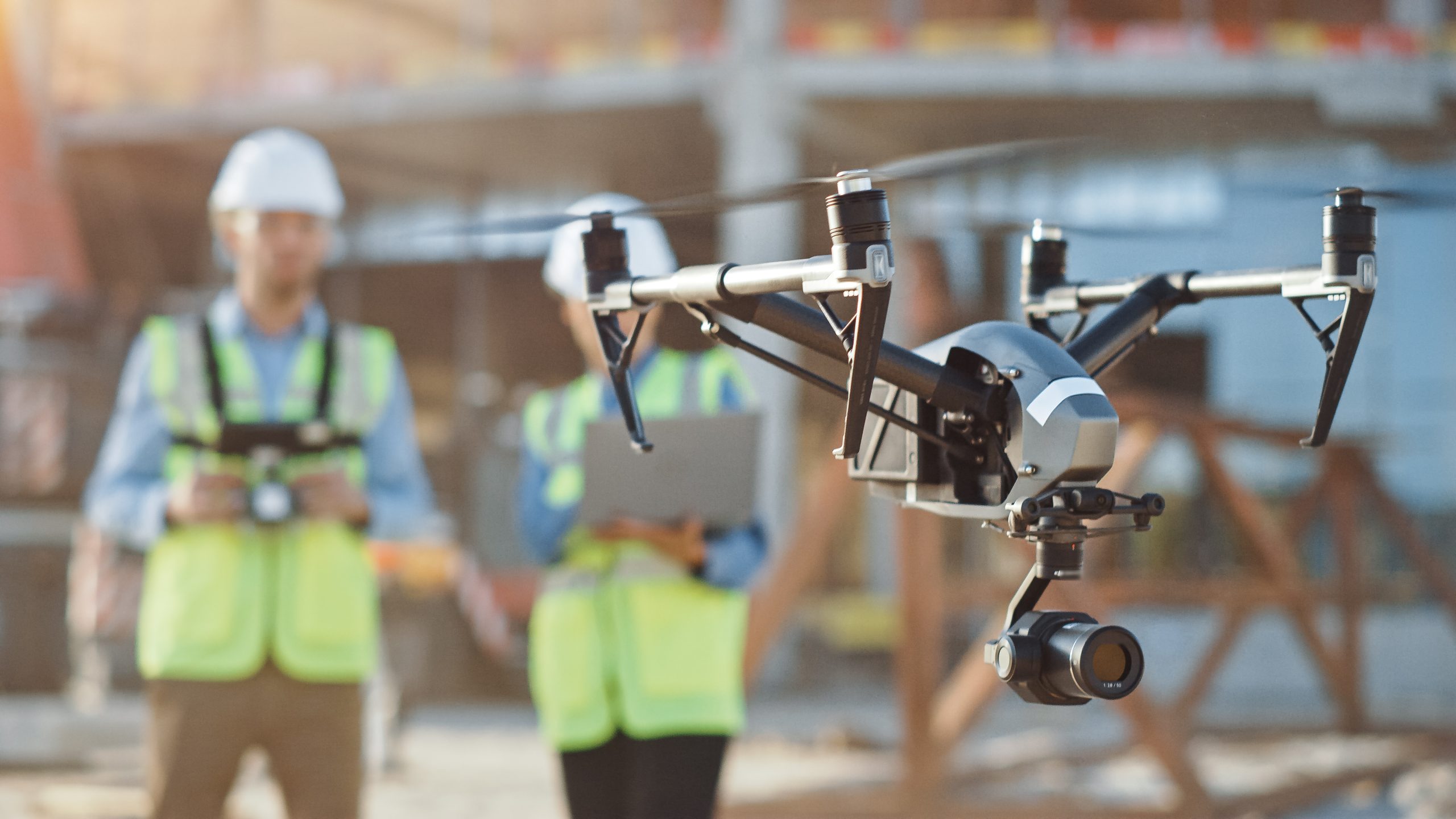
Many construction firms are already using drones to monitor jobsites. These drones can also use advanced sensors to chart out obstructions underground. Eventually, there could be the potential for additional functionality to actively analyze and identify potential code violations as they occur.
Building Information Modeling
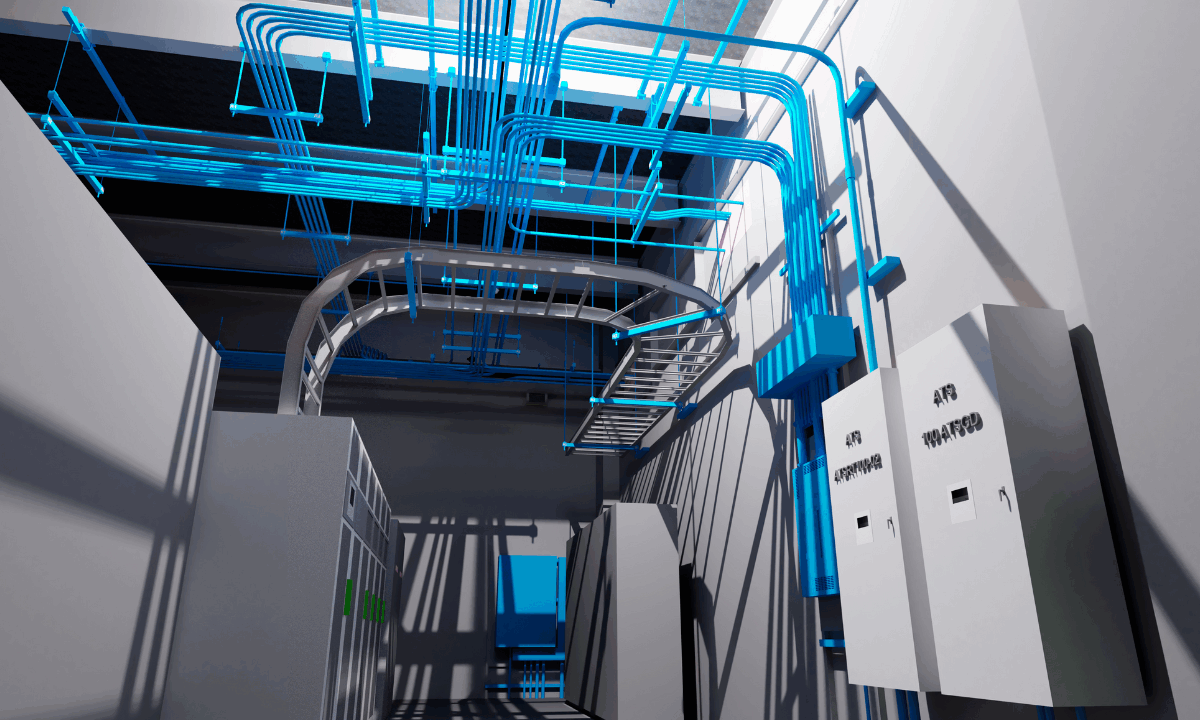
BIM software can also help teams visualize what hasn’t been built yet, with some systems even enabling teams to test materials and methods virtually. 4D (time-based) and 5D (cost-based) simulations can help teams evaluate sequencing and budget impacts before mobilization.
Time for Change
When implementing new technologies, there are bound to be growing pains. The process of updating and modernizing systems will always be different for each company due to each having uniquely complex processes and distinct goals. In order to ensure that implementation is successful, a strategic approach to change management is crucial.
Change management refers to the process of aligning leadership on important changes and communicating the value of the changes with employees. This usually involves engaging professionals to formalize the changes and develop a strategic approach to introducing new systems and processes.
Change management is effective when employees feel empowered to contribute to a successful implementation. By helping employees understand the benefits the changes represent, they should feel excited to be able to contribute to the company in a new way.
Implementation Tips
- Make change incremental by breaking implementation into phases.
- Establish baseline KPIs and track improvements.
- Consider field input during design to avoid workarounds and unsuccessful adoption.
- Define data ownership, retention and access controls across internal teams and vendors.
- Implement role-based access and multifactor authentication.
- Fund training and provide support for employees during the initial rollout.
Technology is not a silver bullet for the construction industry’s challenges, but it is a practical lever for boosting efficiency, improving safety and protecting margins. Firms that pair targeted tools (AI, ERPs, drones and BIM) with disciplined change management can capture measurable gains: fewer change orders, faster cycles, better visibility and safer jobsites. Start small with a high-impact pilot, invest in training and track outcomes. With a clear roadmap and an empowered workforce, construction companies can support the craft at the heart of the industry while operating with the speed and precision today’s market demands.
SEE ALSO: WHICH CONSTRUCTION TECHNOLOGY INVESTMENTS ACTUALLY MOVE THE NEEDLE ON PROFITABILITY