Construction rework can quickly waste contractors’ time and budget, making projects harder to complete efficiently. A crew builds something, finds an issue, tears it down and rebuilds it. Each repeat wastes labor, materials and schedule time. Most of these issues remain hidden till crews get onsite. So how can you detect issues sooner?
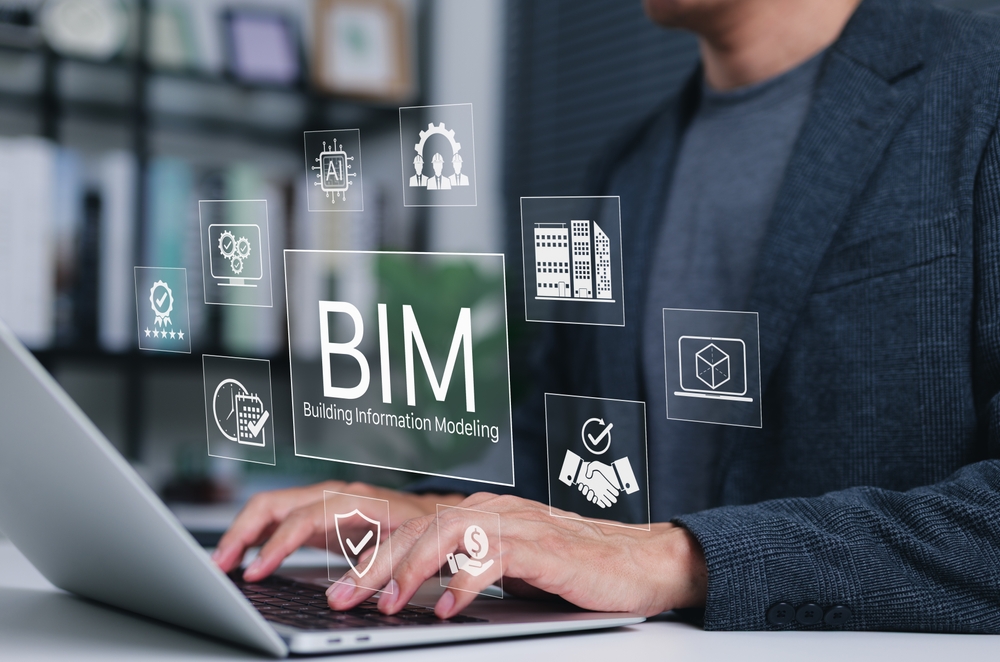
BIM coordination can help bring designers and trade models together in one place. Teams can find and fix conflicts on screen instead of onsite, saving time and money. This helps prevent rework instead of treating it as an expected project cost. It works best when it starts early.
The Hidden Sources of Repeat Work
Rework often stems from communication and information issues, not work quality. Conflicting drawings, late design changes and poor planning can lead to costly rework. Clear insight into these sources helps contractors implement preventive approaches where they matter most.
Some common sources where rework happens in construction projects are:
- Design conflicts across project departments
- Late or poorly communicated design changes
- Trades that install without shared planning
- Outdated information that reaches the site
- Unclear responsibility for addressing open issues
Each of these issues stems from a lack of coordination, not poor work quality. That’s encouraging, because BIM services can help teams identify and resolve coordination issues before they affect construction. These professionals share a model everyone trusts and uses.
How Coordinated Models Keep Work Right the First Time
A well-coordinated model provides every trade the same picture of the building before anyone picks up a tool. Here are a couple of practices that show how a shared platform reduces rework and keeps everyone aligned.
Managing Late Changes
Small design changes are normal. However, untracked changes can lead to rework. Reviewing each change in the model helps teams identify which trades are impacted and whether the change could affect the construction schedule. It also helps teams check whether the change creates new conflicts elsewhere in the project.
Here’s how BIM Coordination helps:
- It updates the shared model
- Checks the impacts on other trades
- Confirms costs and schedule impact
- Shares approved rework immediately
A clear process for managing changes helps ensure field teams work from the latest approved project information. This highlights the importance of BIM coordination in RFIs and change orders when teams test every concern in the model first.
Early Clash Detection
Coordination teams bring structural, architectural and building systems models together into a single view. They also run regular clash checks. They detect, assign and resolve conflicts before they delay work onsite.
Here’s how BIM Coordination helps:
- Checking ductwork against structural beams
- Piping routes against cable trays
- Equipment clearances and access to services
- Locate wall and slab penetrations
The sooner the clash detection happens, the easier every fix becomes. BIM experts can help detect issues earlier, reduce delays and support smoother inspections.
Smarter Prefabrication Planning
Pre-built construction parts save time only when they fit the project without changes. A well-coordinated model confirms accurate building dimensions, connection points and routines. Shop teams can build every part when they have a clear idea of the site plans.
Here’s how BIM Coordination helps:
- Verifying dimensions before fabrication
- Agreed connection points between every trade
- Delivery and sequencing alignment checks
- Tolerances that are confirmed with installers
BIM coordination benefits are evident in tech upgrades that improve project efficiency through model-driven fabrication.
Aligned Trade Meetings
Regular BIM coordination meetings place every trade right in front of the same model. Instead of relying on email chains, teams can discuss open items together. They work together to make the best use of limited ceiling and space.
Here’s how BIM Coordination helps:
- Area-wise shared installation priorities
- Allocation of space between trades
- Open-ended questions with named owners
- Decisions recorded after every session
Clear coordination meetings can reduce guesswork and help teams work aligned with other trades. Project leaders will get a clear picture of where the actual coordination stands and what still needs immediate attention.
Fewer Field Questions
Whenever a concern arises, a model view often answers it sooner than a written description. Designers would respond with a clear visual context. Clear visual guidance can help designers reduce delays and keep crews working instead of waiting.
Here’s how BIM Coordination helps:
- Visual context for answering every question
- Immediate responses from designers
- Fewer repeated clarifications on site
- Clear records of all answers
Quick responses provide the team more time to stay on track and avoid delays. Documented answers help crews find information quickly instead of repeating the same questions.
Deciding How Much Coordination Support You Need
Most contractors manage coordination work in-house. Others rely on BIM experts such as Modelo Tech Studio for the most challenging and fast-moving projects. The right choice depends on project size, trade complexity and available team capacity. It also depends on your team’s experience handling model-based workflows. Understanding these factors can prevent budget overruns and under-resourcing.
When you consider external support, ensure you focus on the process instead of the software. Ask how issues get tracked and how frequently models get reviewed. Clearer communication helps coordinate work and reduce rework, rather than generating more reports.
A Smarter Way to Build
Construction is a niche defined by change, uncertainty and strict schedules. Projects operate smoothly when teams communicate clearly, listen to each other and make decisions together without causing unnecessary delays. Stronger teams keep asking better questions before issues appear. Contractors that treat communication as the core spend less time fixing past issues and more time building what comes next.
SEE ALSO: PRACTICAL TECHNOLOGY UPGRADES FOR CONSTRUCTION FIRMS TO IMPROVE EFFICIENCY