In construction, success often comes down to visibility. When field and office teams aren’t working from the same accurate and up-to-date information, obstacles can emerge quickly and compress tight schedules, lead to rework and shrink margins.
Texas-based Central Builders was established in 1989 and specializes in large-scale remodels, expansions and ground-up new construction of supermarkets and grocery distribution facilities. As the company expanded, on-time project delivery and profitability were increasingly threatened by disconnected workflows and data silos that delayed job-cost updates, required duplicate data entry and limited insight into project performance.
The company invested in a connected construction ecosystem that aligns project management, financial operations and reporting to ensure that all teams work from a single source of truth across projects. Time and again, this decision has proven to be critical to project success.
The Challenge: Building on a 30,000-Square-Foot Pond
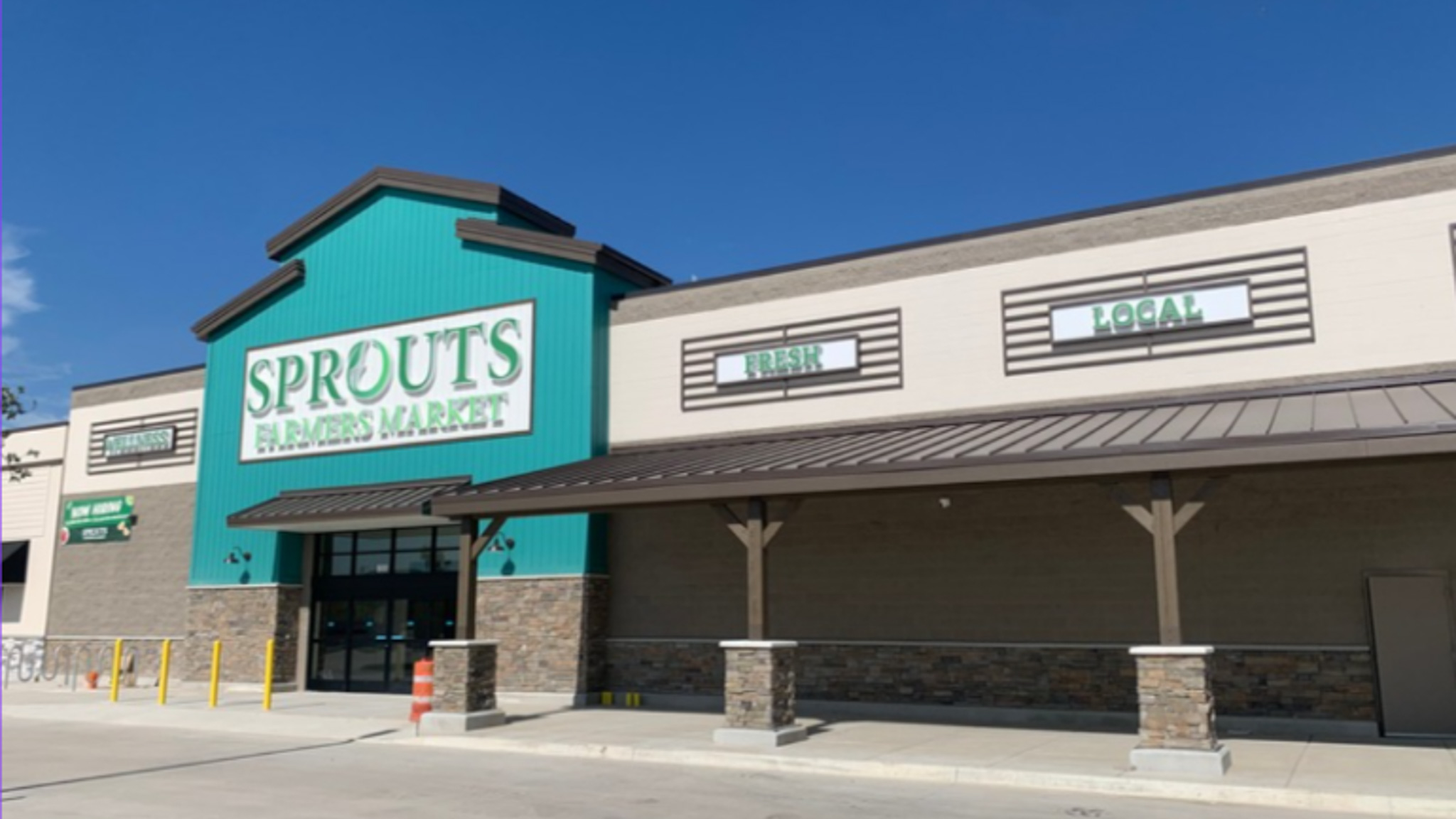
Central Builders has completed well over $500 million in grocery store projects over the past five years. One was a new $10-million Sprouts grocery store built in 2025 in an unlikely place: directly on top of a 30,000-square-foot pond. The challenging location was only the beginning of the complexities that tested the company’s capabilities and illustrated the value of the investment in connected technology. Persistent rain, the coordination of more than 40 subcontractors and a simultaneous Sprouts project in North Texas left zero margin for error.
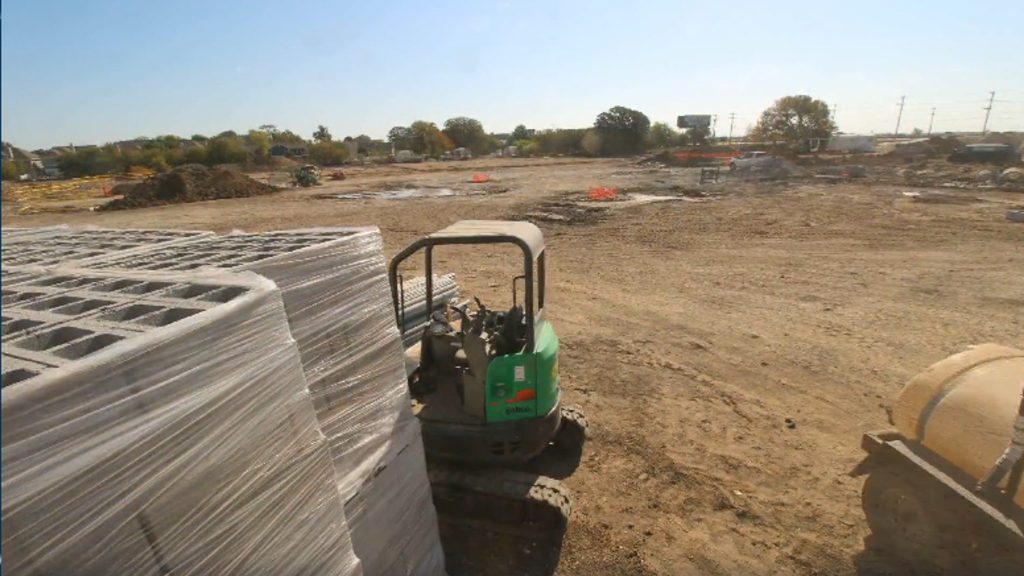
Before vertical construction could begin, crews had to demuck the site, excavate unstable material and rebuild the pad with engineered fill. Central Builders completed the site preparation 10 days ahead of schedule, an advantage that proved vital when the weather turned.
Moisture affected nearly every downstream activity. Dry weather windows opened and closed quickly, and sequencing often shifted by the hour. Coordinating crews, materials and inspections under these conditions required clear communication and real-time visibility into job progress and costs.
Despite environmental and logistical challenges, the Sprouts project reached key milestones ahead of schedule. Steel erection and decking were finished five days ahead of plan, and the project closed on time and on budget.
Connecting the Field and the Office
Central Builders relies on a cohesive technology ecosystem built largely around Trimble solutions to bring people, data and workflows together in a shared environment.
Field teams utilize Trimble ProjectSight to manage RFIs, submittals and drawing updates. “With ProjectSight, everyone has real-time access to the most current information,” says Shellie Gregg, financial controller for Central Builders. “Shared visibility reduces rework and keeps our teams aligned as schedules shift and as documents are updated or added.”
In the office, the Trimble Vista financial management solution serves as the system of record for accounting, payroll, job costing and subcontractor billing. With field updates flowing directly into financial reporting, manual data entry has decreased by 90%. “Job-cost data reflects exactly what is happening on the jobsite,” says Gregg. “Plus, visibility into field updates enables our teams to closely track performance and respond quickly when conditions change.”
Gregg credits improved job-costing visibility with increasing field-budget forecasting accuracy by more than 30%, helping project managers hit margin targets.
Driving Efficiency and Cash Flow
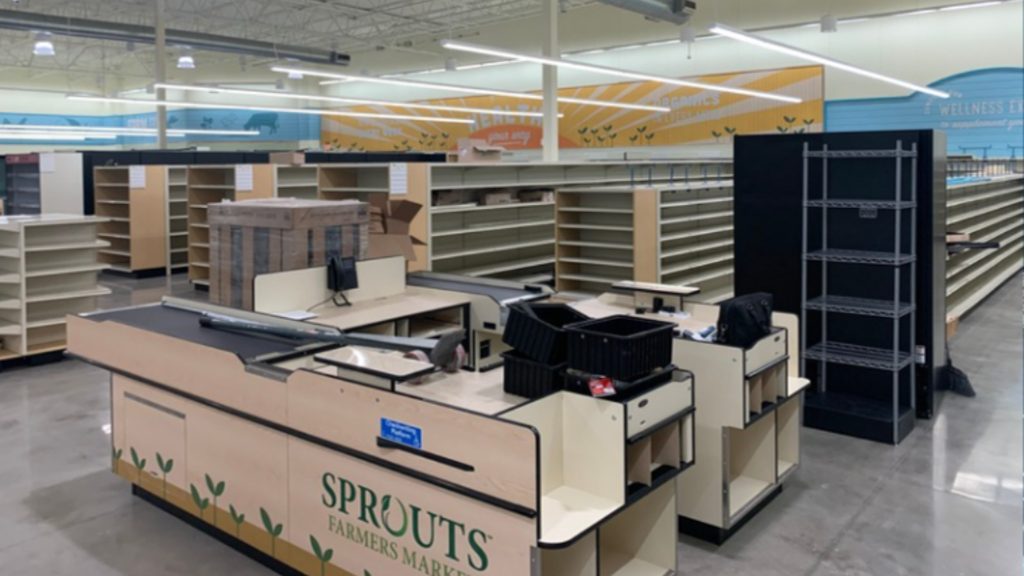
The investment in connected construction didn’t take long to pay off. “Within eight months, we realized a return on investment,” says Gregg. “Payroll savings, reduced administrative overhead and better, faster operational decision-making enabled by real-time data collectively transformed our business.”
The impact of a connected construction approach is visible across Central Builders’ operations:
- More Timely Job Costing: Integrated project and financial management systems bridged the field-to-office divide, allowing managers to align job cost with actuals in near real time.
- Faster Financial Reporting Cycles: Live dashboards connected to project financial data shortened monthly close cycles from 12 days to five.
- Labor Transparency: With real-time visibility into labor through phase-level time tracking and automated burden calculations, teams can assess performance weekly and adjust forecasts before a project drifts off course.
- Streamlined Vendor Management: Automating compliance and shortening approval cycles with Trimble Pay has reduced subcontractor payment processing time from two weeks to less than five days, keeping vendors engaged and materials flowing to the site.
Predictability in an Unpredictable Environment
Technology adoption has not only improved workflows at Central Builders but also changed how people work across the company and how they feel about their jobs.
“In a fast-paced construction environment where job costing, documentation and approvals can grind morale into dust, connected technology has become the backbone of clarity, speed and sanity,” Gregg concludes.
Project managers now spend fewer hours reconciling numbers and more time directing work. Predictability has reduced burnout and improved morale. Late nights reconciling numbers or “guessing” when trades should be on site have decreased dramatically, and office staff report a 35% decrease in rework caused by outdated or missing documentation.
These outcomes at Central Builders demonstrate the power of connected construction workflows for responding quickly, sharing data across the organization and making decisions based on reliable information rather than assumptions.
SEE ALSO: POWERING PROFITABILITY WITH CONNECTED CONSTRUCTION WORKFLOWS