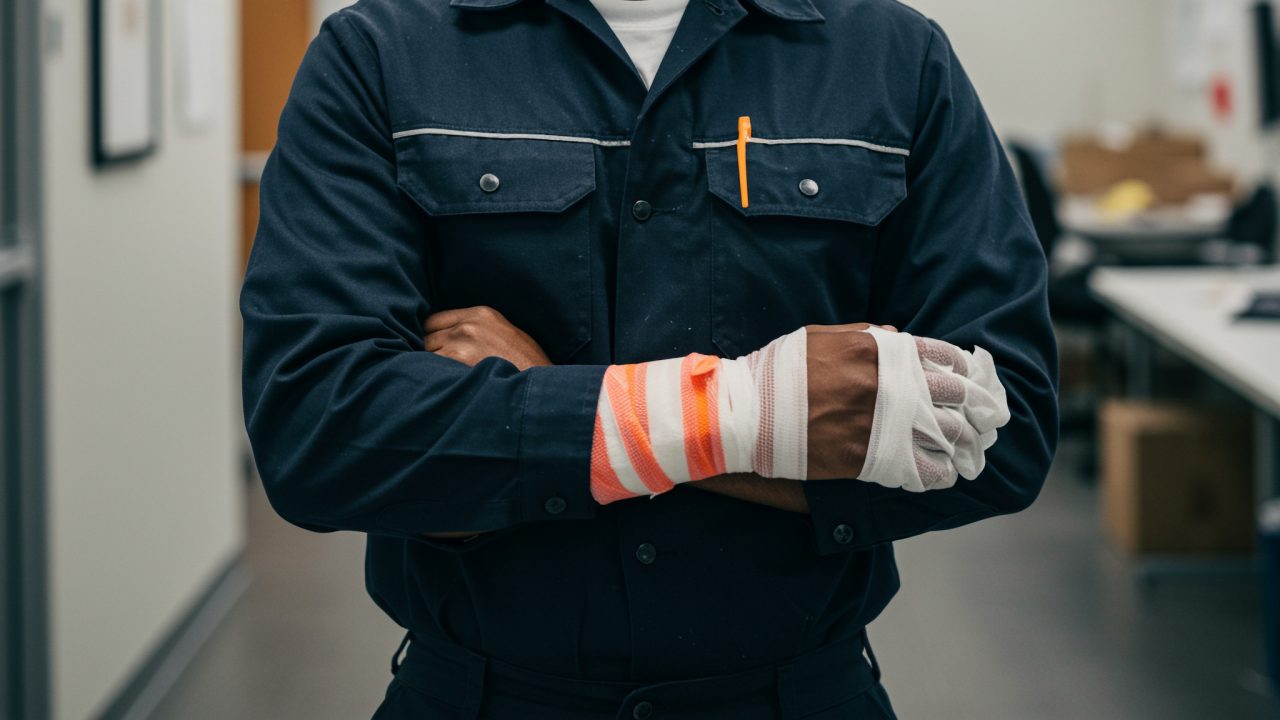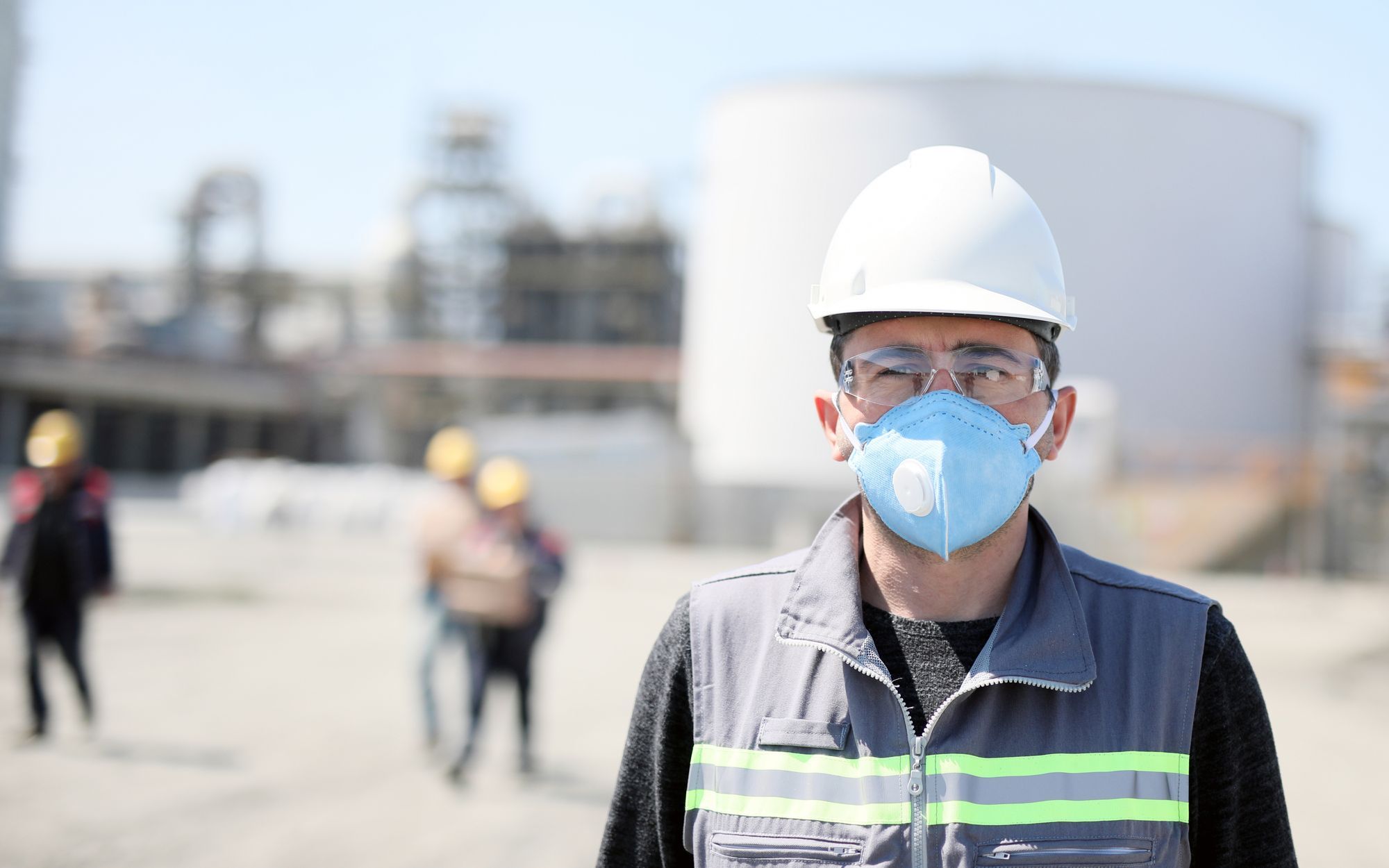
The Center for Disease Control and Occupational Safety and Health Administration have developed guidance specifically for contractors to keep jobsites safe. This includes everything from wearing personal protection equipment on the job to protocols on social distancing, COVID-19 testing and a myriad of other recommendations to keep everyone safe.
Complying with these guidelines costs money. Contractors must include the additional costs in job estimates. This includes the cost of providing PPE, training, testing and reconfiguring jobsites to comply with social distancing protocols.
COVID-19 Guidance
According to the Equal Employment Opportunity Commission, employers can administer a COVID-19 test before allowing employees to enter the workplace and take their temperatures. Employers are responsible for the cost of these tests. The Americans with Disabilities Act allows employers to ask workers who call in sick If they are experiencing coronavirus symptoms only if everyone on the jobsite is asked.
EEOC guidance says that an employer can exclude someone from the workplace due to COVID-19 or another CDC-identified underlying medical condition. In this case, the employer must prove that the condition is “a direct threat to self” that cannot be eliminated or reduced by reasonable accommodation.
Families First Coronavirus Response Act
The Families First Coronavirus Response Act (FFCRA) requires certain employers to provide employees with paid sick leave or expanded family and medical leave for COVID-19 related reasons through December 31, 2020.
Covered employers qualify for dollar-for-dollar reimbursement through tax credits for qualifying wages paid under the FFCRA up to the appropriate per diem and aggregate payment caps of:
- regular rate or the applicable minimum wage, whichever is higher, up to $511 per day and $5,110 in the aggregate (over a two-week period) to employees taking leave because they have COVID-19 symptoms or must quarantine;
- two-thirds their regular rate or two-thirds the applicable minimum wage, whichever is higher, up to $200 per day and $2,000 in the aggregate (over a two-week period) to employees who take leave to care for someone with COVID-19; and
- two-thirds their regular rate or two-thirds the applicable minimum wage, whichever is higher, up to $200 per day and $12,000 in the aggregate (over a 12-week period—two weeks of paid sick leave followed by up to 10 weeks of paid expanded family and medical leave) to employees who take leave because school or childcare is closed due to COVID-19.
Small businesses (fewer than 50 employees) may qualify for an exemption from the requirement to provide leave due to school closings or childcare unavailability if it would jeopardize the viability of the business.
Applicable tax credits also extend to amounts paid or incurred to maintain health insurance coverage.
Although employers will be reimbursed for the above costs, there are other expenses associated with a leave of absence. These include paying overtime to employees that must take on additional responsibilities, cross-training employees, or hiring additional workers. There are also the costs of having a job delayed or postponed due to the unavailability of skilled workers and reduce productivity.
Health and Safety
Both employers and employees have rights and responsibilities on the jobsite, especially when it comes to health and safety concerns. Employers must provide a safe work environment which possibly includes upgrading HAVC systems for safe air. Employers must also provide basics such as PPE, hand sanitizing stations and sanitary toilets, which cost money. It is recommended that contractors have a safety officer on the jobsite to enforce compliance with COVID-19 related guidance, adding further to job costs.
Following social distancing guidance means that fewer people can be on the job. This could cause delays or force contractors to run two or three shifts, increasing labor costs.
The bottom line is that people need to work smart and follow the guidance issued by government agencies and healthcare organizations. Although it is the responsibility of employers to keep their employees safe, it is also the responsibility of employees to not put others at risk. This includes making it known if they test positive for COVID-19, are showing symptoms, or have been exposed.