Precision is the foundation of profitability in construction. Even minor quantity or pricing mistakes can swing bids anywhere from 5-15%, leading to project delays, unprofitable jobs or margin erosion through change orders. And worse, these losses can damage client trust and jeopardize long-term relationships that drive repeat business and future bids. Consistently estimating accurately builds confidence, speeds up bidding and positions your company to win more profitable projects.
Estimating accuracy is where profit is either protected or lost. In construction, you make your biggest financial decisions before a project ever starts. Once a bid is won, most of the project’s cost structure is locked in. If the estimate is wrong, no amount of execution can fully fix those mistakes. That makes estimating accuracy a business issue, not just an operations issue.
Digital Transformation Is the Future
Construction is one of the least digitized industries in the world. Industry research consistently points to the same problem: inefficiency is baked into traditional construction workflows. Manual takeoffs, disconnected spreadsheets and relying on outdated estimating tools slow teams down and introduce risk at every step. Manual takeoffs, inputting information into offline spreadsheets and using outdated estimating workflows continues to quietly drain time, labor and margins in preconstruction. As project complexity increases and competition tightens, firms can no longer afford inefficiency and must invest in digital tools. This isn’t about chasing the latest trends.
Digital tools are the future, yet many contractors still see technology as an added cost instead of a competitive advantage. The industry is still built on human expertise, but as demand for complex infrastructure rises, contractors must estimate more quickly and accurately.
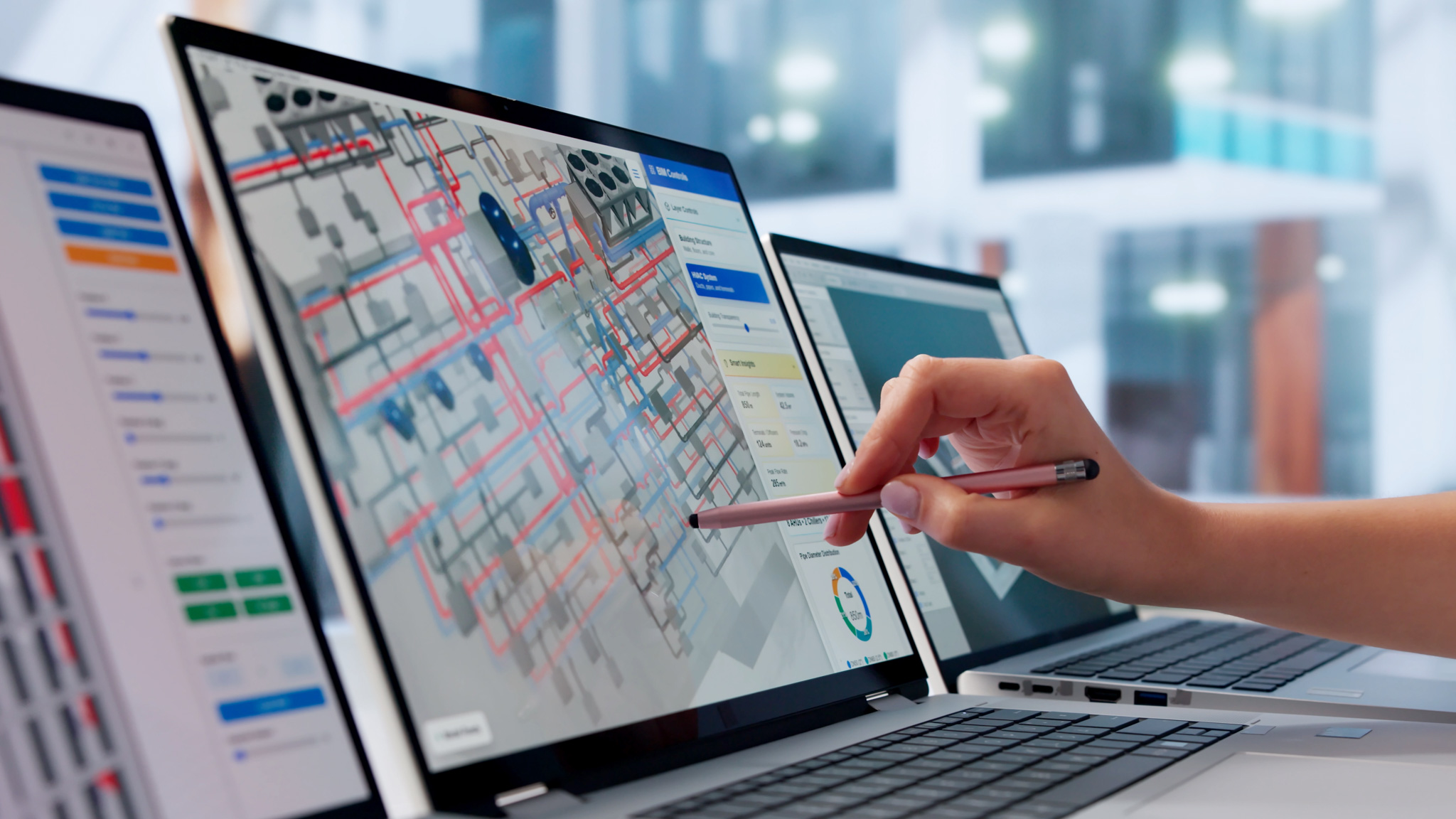
Integrating AI-powered takeoff and estimating is essential for handling fast-moving, dynamic bids, reducing the risks involved with inaccurate bidding and having the tools to properly scale bidding capacity, while protecting margins. This way, contractors can react more quickly to any scope changes and revise drawings before anything is in the ground.
So why has tech adoption been slow to catch on in preconstruction? There are many digital tools that don’t solve real problems or are too difficult to implement in real world scenarios. These tools were built without a deep understanding of how contractors actually work in the field and they add unnecessary steps instead of eliminating them. As more technology providers prioritize usability, speed and tangible business outcomes, adoption will accelerate and digital workflows will become the industry standard.
Construction is a low-margin business and contractors are under tremendous pressure to protect those margins. Change is unavoidable to remain competitive and a shift to digital tools is a must to remain in the game.
Common Estimating Mistakes
Relying on instinct rather than evidence or data: Of course experience matters in construction, but when an estimate’s not backed by accurate quantities, current costs and documented assumptions, a contractor is introducing risk to their business. Combining experience with historical project intel and accurate data from tools they can trust is where contractors find sustainable success.
Accurate estimating allows contractors to bid with confidence, not fear. When you know your numbers, you don’t need to undercut competitors to feel safe. You can price work correctly, explain your value clearly and feel comfortable passing on jobs that don’t make financial sense. Having a preconstruction system that helps to track project performance over time and allows you to evaluate the types of work that drive the best profitability should be non-negotiable.
The ROI of Accurate Estimating
ROI can show up in many forms—faster project estimating, increased bid volume, reduced rework, fewer surprises during project execution and better job-cost performance. Over time, contractors should see stronger margins, more predictable cash flow and better win rates on the right projects. ROI isn’t just about saving time. Remember, the preconstruction platform that powers accurate estimating creates the foundation for making better decisions earlier.
Data replaces uncertainty with clarity. When contractors have accurate material and labor quantities, reliable historical costs and clear visibility into plans, estimating becomes a repeatable process instead of a guessing game. Confidence in bidding comes from knowing your numbers are defensible.
How to Modernize Your Preconstruction Process
Step one is to start by understanding your current process from end-to-end. Identify where errors and inefficiencies are happening. Start small and work to find tools that will help reduce these errors and inefficiencies. Don’t try to change everything all at once. Sustainable change happens through steady improvement rather than big resets. Contractors who improve estimating accuracy will protect margins and scale smarter. Those who do not will struggle to compete. If you aren’t getting better at what you do then you will be left behind. Your competition is working to improve their estimates.
Small errors rarely stay small. They can show up as budget or scope creep, change-order pressure, missed schedules and even strained relationships with owners. Just a few percentage points missed in estimating can turn into weeks of recovery work in the field and reduced project profit at closeout.
SEE ALSO: ESTIMATING SOFTWARE: HOW CONSTRUCTION COMPANIES USE IT