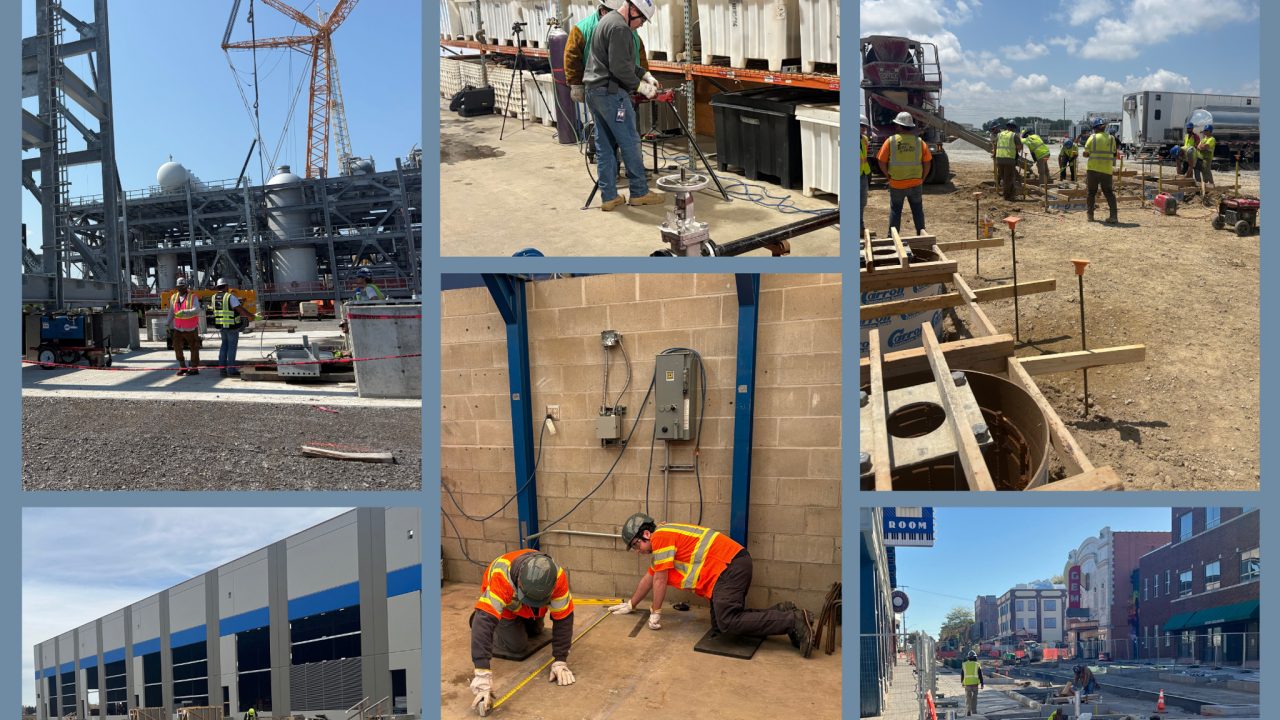
Per a law Mayor Bill de Blasio signed last October, the New York City Department of Buildings (DOB) has released safety training thresholds that apply to workers at sites that require construction superintendents, site safety coordinators or site safety managers.
How to Support Breastfeeding Moms in Construction
As the amount and importance of women in the construction workforce continues to grow, a proactive plan addressing breastfeeding moms’ needs will put a company in a favorable position to not only attract, but also retain top talent.
Industry Groups Collaborate on Real Estate Career Resource
Twenty-nine real estate-related associations, including Associated Builders and Contractors, teamed up to launch a new website, CareersBuildingCommunities.org, that highlights the variety of career paths across all sectors of the real estate industry.
Three Tips for Contractors in States With Legalized Marijuana
It's imperative for construction employers to protect their businesses by staying up to date on current marijuana and drug testing laws, which vary from state to state.
Workforce Drug Positivity Rate Reaches 10-year High
Driven by increases in cocaine, methamphetamine and marijuana, drug use by the American workforce remains at its highest rate in more than a decade, according to a new analysis released today by Quest Diagnostics.
Seven Tips to Write a Great Construction Résumé
Plenty of talented construction workers don’t get the job they’re after. It’s not because they lack education, skills or experience, but because they don’t know how to present these assets on a résumé.
Tips to Help Women Optimize Their Potential in the Male-Dominated Construction Industry
By putting certain tools to work, such as networking, mentoring and giving 100 percent in a focused manner, women in the building industry will continue to advance, gain leadership roles and succeed.
Apprenticeships Must Be Expanded to Meet 21st Century Workforce Needs, Says ABC
According to the final report of the Task Force on Apprenticeship Expansion, apprenticeship programs offer workers a career path with paid, on-the-job training and provide employers with highly trained workers, but they are insufficient to address the growing skills gap in many industries.