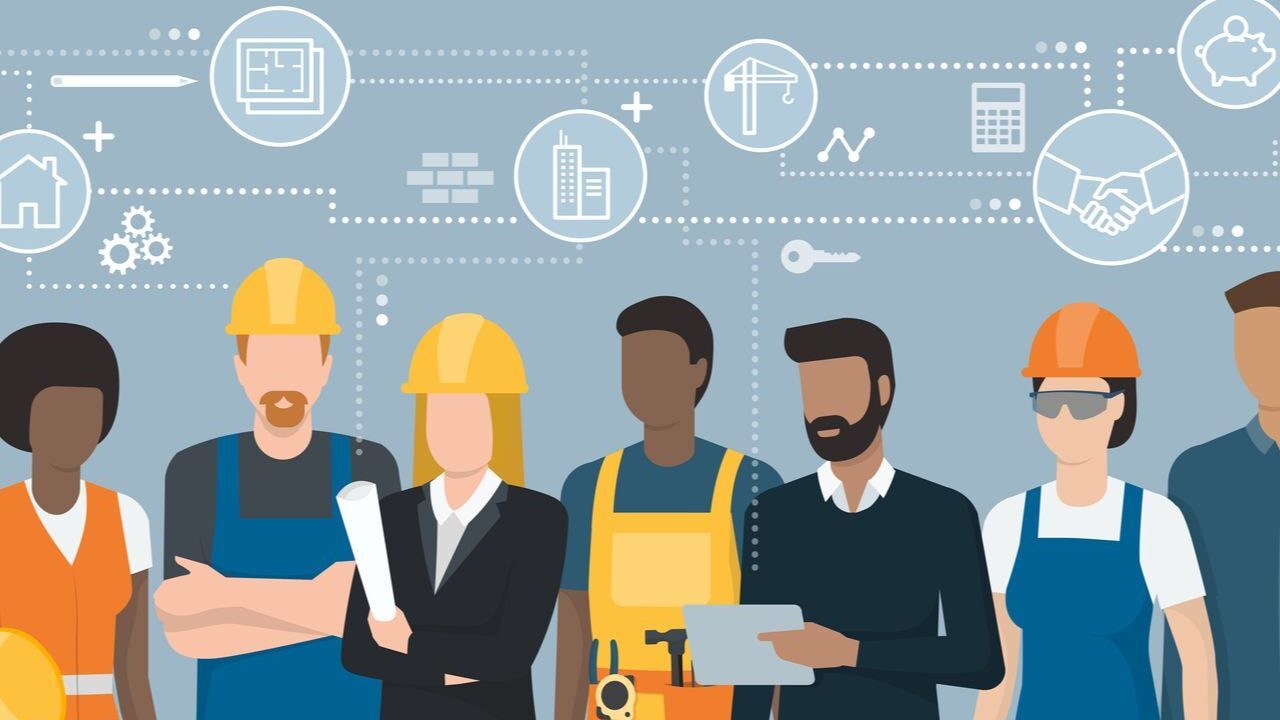
When faced with unique and complex challenges in construction, having different perspectives provided by increased diversity—of experience, background and knowledge—better equips project teams to execute the right solutions.
Companies can no longer sit back and expect employees with the right training to come to them; they need to take control by analyzing the specific needs of their organization and customers.
This is a time to slow down, focus on hiring efforts, and finally be able to make more informed decisions on the growth and stabilization of workforces. Thinking outside the box may net creative solutions that will serve the construction industry for years to come.
As workplaces start to develop suicide prevention as a health and safety priority, a tiered training program offering skill-building an empowering compassionate connection is key.
A candidate pipeline is important, but can only go as far as a company’s recruiting methods. Efficiency and productivity are key for recruiting processes and optimizing efforts are essential for saving on time and resources. With the right tools, contractors can build their candidate pipeline.
While the current COVID-19 environment is very challenging, some companies are instituting positive changes that may actually yield a stronger, more-efficient and modern approach to internal controls.
Communicating during COVID-19 is not easy. Empathic messages from business leaders, partnered with smart messaging practices, will help keep the workforce feeling engaged and informed as the pandemic continues to impact the world.