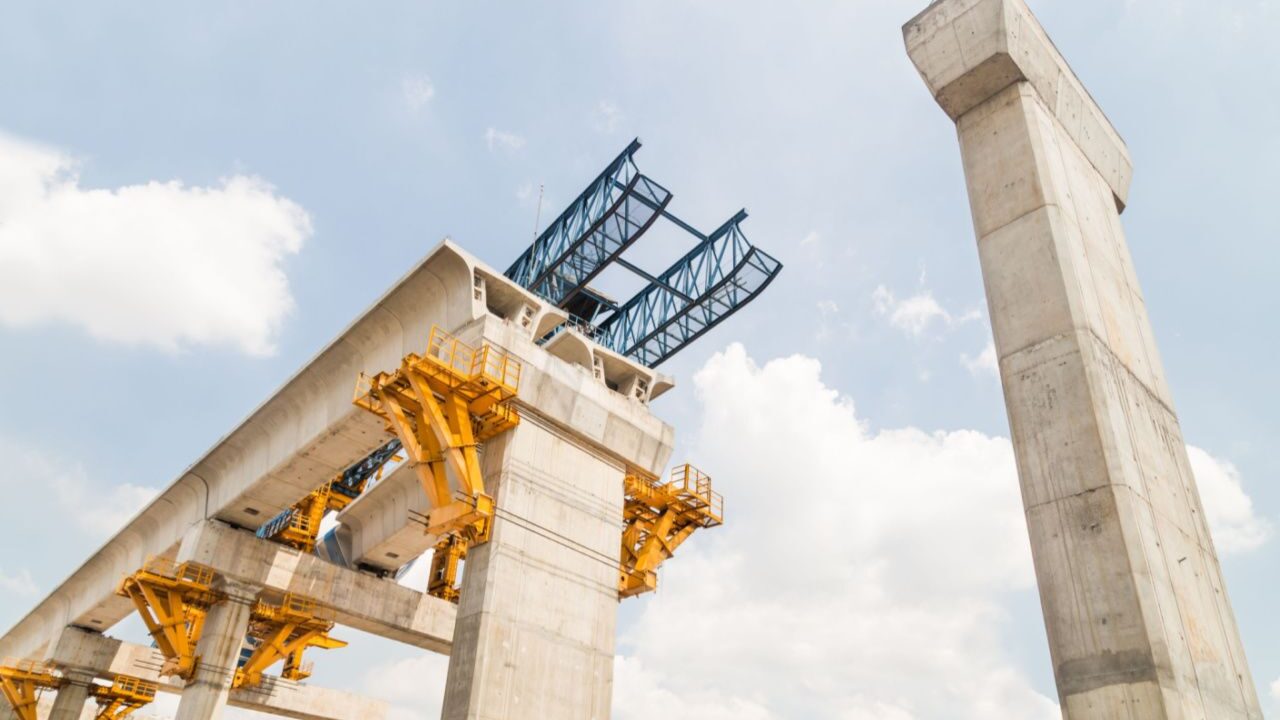
Applying the sharing economy to manufacturing will help fabricators big and small react more deftly to the design disruptions native to the construction process.
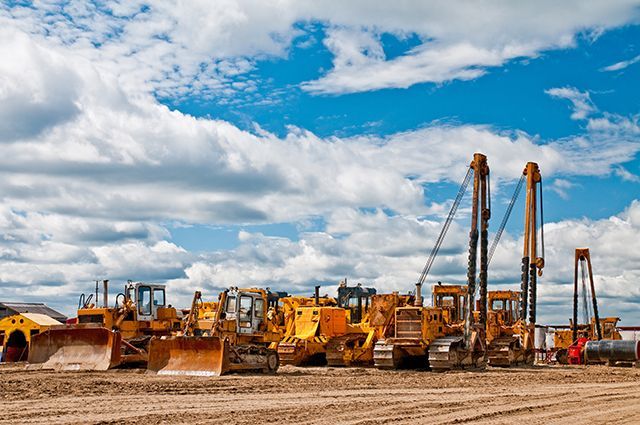
Are Construction Companies Making the Most of Their Assets’ IoT Data?
If Tesla can use over-the-air (OTA) software updates to fix some issues with its vehicles, why can’t contractors apply service relationship management (SRM) to integrate IoT data into an actionable repair process to keep their equipment on the job? Connected vehicles are a sign of things to come for construction.
Construction Technology and Software Rundown: Week of Sept. 4, 2017
Innovators in the UK have unveiled a ground-breaking technology using the Ethereum blockchain for paying workers in real time. Apps are now available for safe lifting practices and accessing 3-D project data. Learn more about the low recovery rates of the $1 billion in construction equipment theft.
Leverage Valuable Data to Build Better, Faster and Leaner
Don’t let data go to waste. A treasure trove of insights is only a few clicks away.
Reduce Liability Exposure With Daily Cloud-based Construction Reporting Software
Protecting a construction company from legal liability is easier through proper documentation of the data generated during the life cycle of a project. Cloud-based software solutions give companies the ability to manage that data more thoroughly and quickly than traditional methods.
Mobile Technology and Heavy Construction: Expectations Have Changed
Convincing “old-school” companies and employees to cast aside paper-based processes is yesterday’s battle. Moving forward, the more critical challenge will be providing an advanced mobile technology strategy that empowers an increasingly tech-savvy workforce.
Data and Technology Will Fuel the Megacities of the Future
In connected 2050 cities, all kinds of infrastructure—energy, water, transportation, buildings and governance—will “talk” to each other to prioritize needs.
Maximizing BIM for Optimal Outcomes on Construction Projects
While BIM has a significant impact on infrastructure by increasing the productivity, efficiency and quality of design and construction projects, firms should carefully consider three areas: practice, technology and legal/risk management. A BIM execution plan should be created at the very forefront of the project by the lead BIM firm.