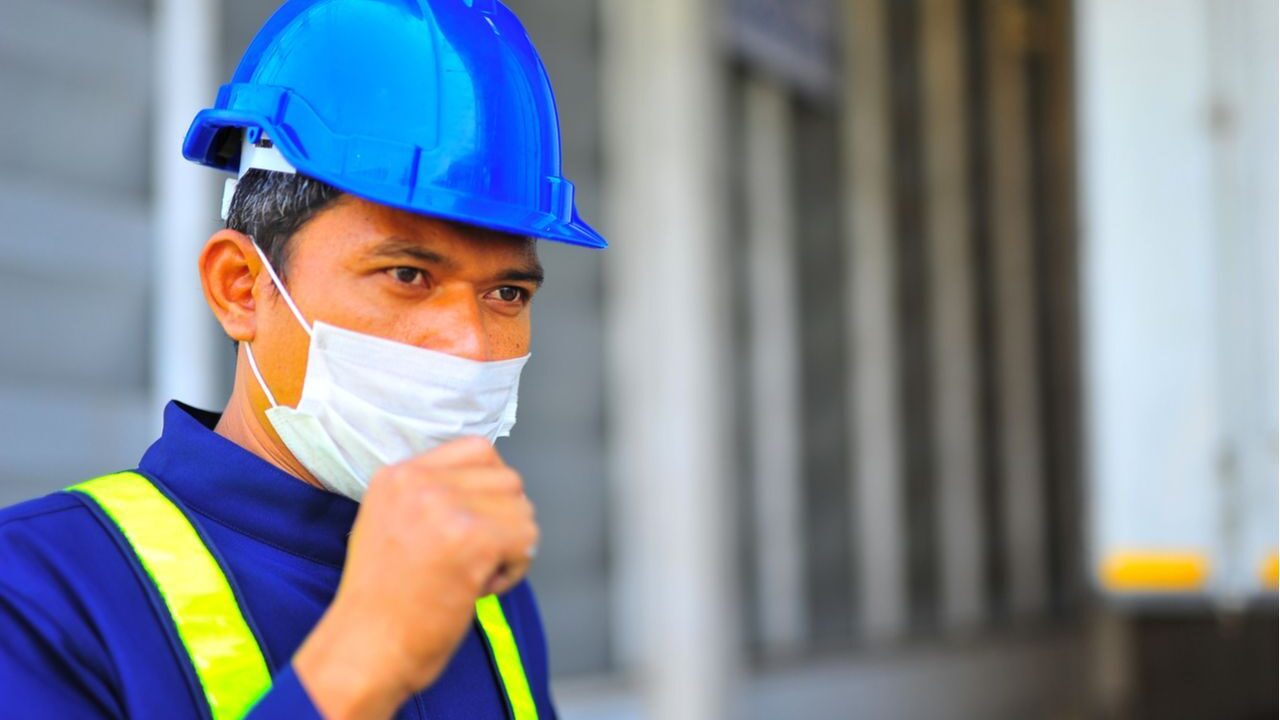
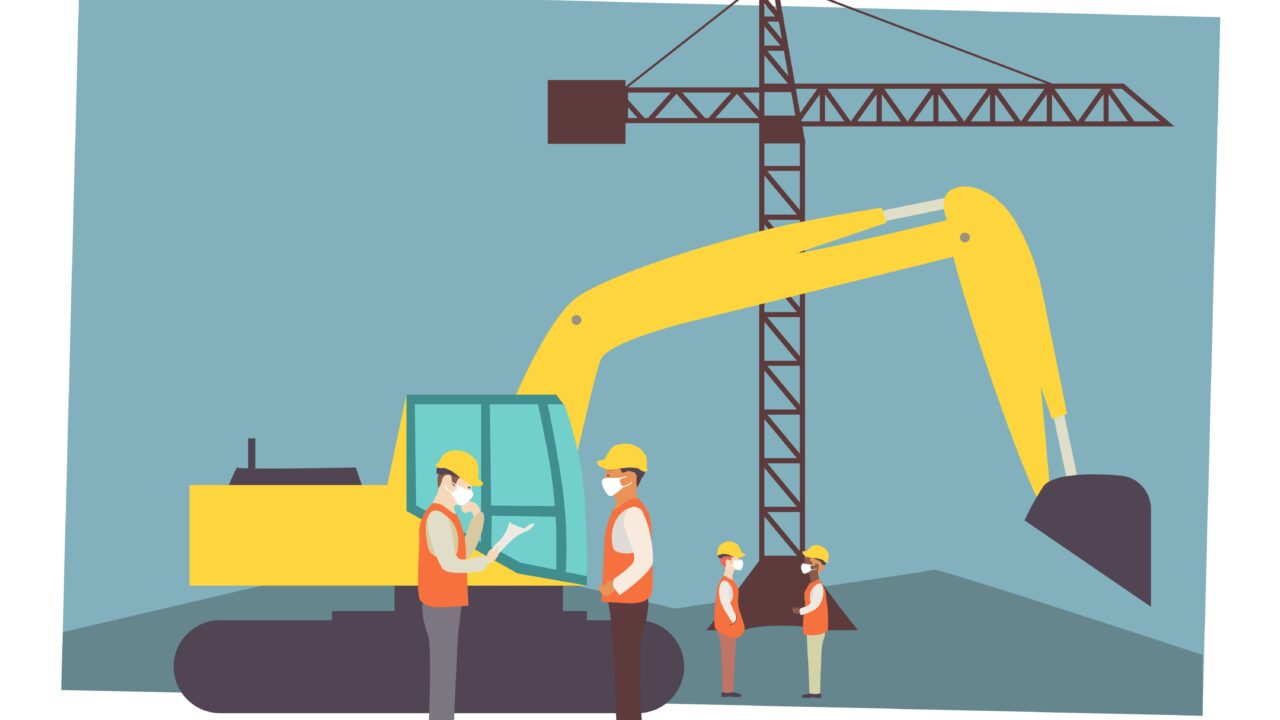
The risk of exposure to COVID-19 is higher for workers on the job. If COVID-19 awareness training and plans to minimize exposure to risks aren’t yet in place, contractors should start now.
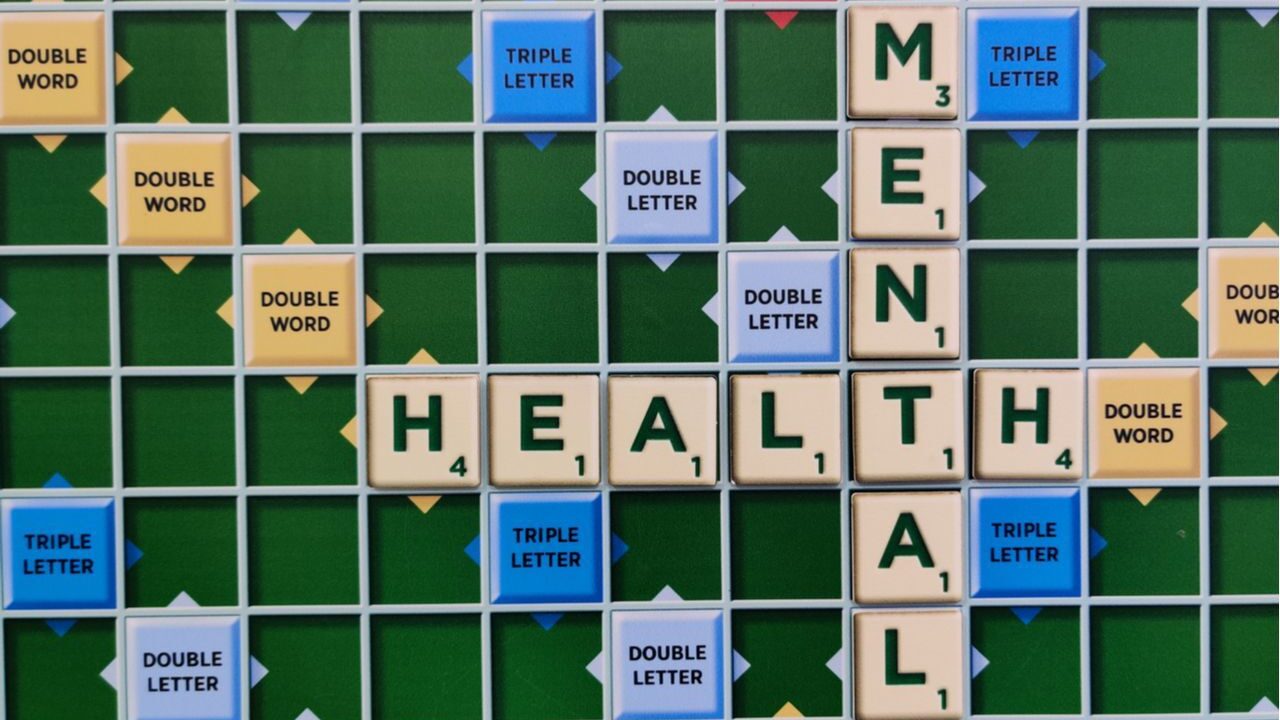
As workplaces start to develop suicide prevention as a health and safety priority, a tiered training program offering skill-building an empowering compassionate connection is key.
While companies identify means of recovering losses and preparing for litigation or insurance claims that may arise from COVID-19, it helps to know what questions to ask legal representation or insurance providers.
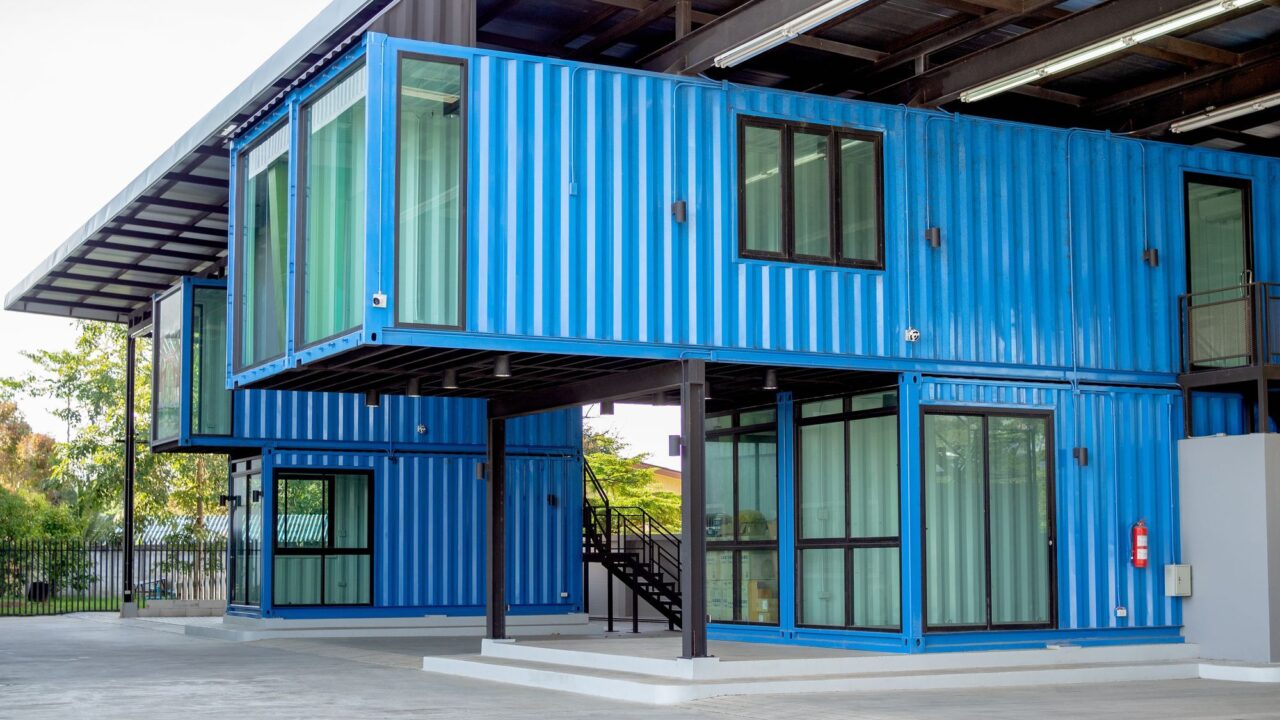
Building programs focused on wellness have succeeded LEED as the next trend for construction programs to improve the health and wellness of individuals and the communities where they work.
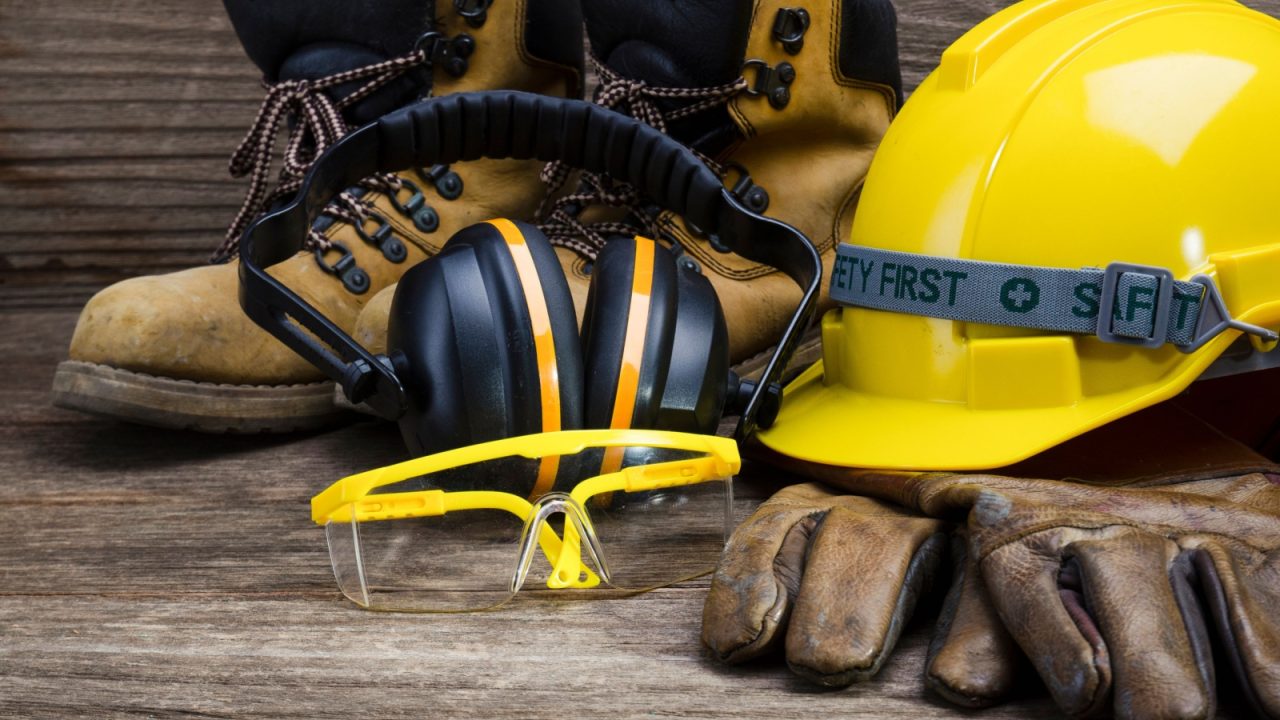
Although a focus on safety is always important in the construction industry, companies actively working on essential project sites during the COVID-19 crisis must continue work while helping to flatten the curve, implementing additional precautions.
Financial planning and projections will ensure a contractor’s compliance with banking requirements, maximize surety credit, as well as ensure growth and stability for future projects and profits.
Through quality management training to help put these measures into practice, and developing strong teams and peer support networks, the construction industry can change the statistics on suicide risk and workforce shortages.