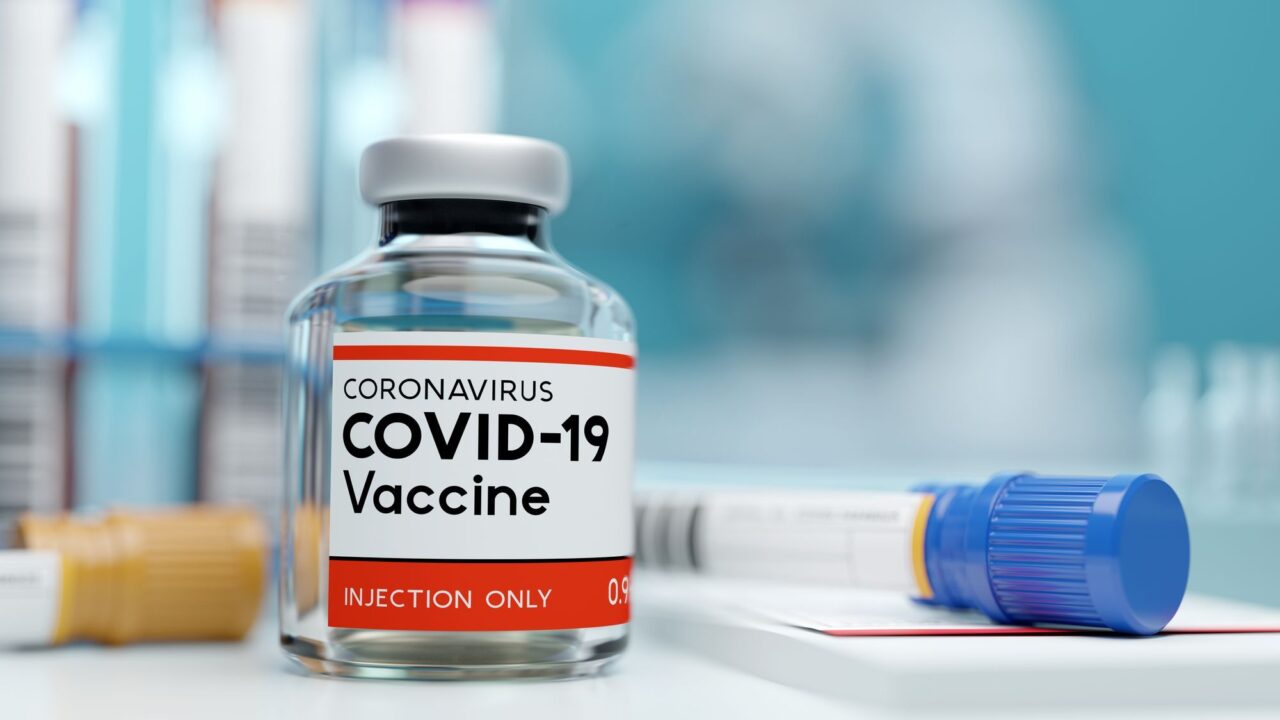
As COVID-19 vaccines become available, employers want to know if they can require employees to be vaccinated. Vaccination is a powerful tool for ensuring safe workplaces, but there are some risks.
Why and How to Communicate About Suicide Prevention
The construction industry has experienced one of the highest suicide rates of all industries, but there are concrete actions to take to help those who may be struggling, feeling helpless and/or hopeless.
New Wearable Technologies Measure Stressors That Lead to Workplace Injuries
New wearable technologies objectively measure postures and forces on isolated muscle groups, bones and tissues for a better understanding of risks related to musculoskeletal injuries.
Stop-Work Authority Becomes Stop-Work Responsibility
Give workers control of their own (and others) safety with stop-work authority, which gives them the ability to stop work when a perceived unsafe condition or behavior is seen or recognized.
Alternatives to Opioids for the Management of Chronic Pain: Part II
Chronic pain from musculoskeletal disorders is common in construction worker and contributes to risk factors that affect quality of life, including sleep deprivation, depression and substance use disorders.
Business Survival in the Age of COVID-19
Unexpected setbacks are daily fare for construction professionals, but the staggering impact of COVID-19 over the past year is testing industry resilience like nothing before.
Explore All Aspects of Wellbeing to Create a Culture Where Employees Thrive
Now, with increased attention toward total human health, managers are making it a common practice to provide a personalized, holistic, well-rounded workplace experience for employees.
What Contractors and Subcontractors Need to Know About COVID-19 Vaccines
Although commercial construction workers are lower on the priority list for the COVID-19 vaccine, construction employers should encourage vaccinations when they become available.