Statistics regarding substance abuse within the construction industry are startling - and they translate to real-world costs in terms of lost time, personnel costs to rehire and healthcare and workers’ comp premiums.

Hold Harmless and Indemnity Provisions: What Did I Agree to Do?
Indemnity provisions usually include a requirement to hold harmless and defend another party. Generally, the upstream party tries to shift risk to a downstream party. Just because indemnity is legal doesn’t mean it’s fair.
Five Ways to Build a Culture of Height Safety
Falls are OSHA’s most frequently cited violation, but there are ways to prevent falls and create a culture of height safety.
Keeping Construction on Track in an Uncertain World
Advancements in weather forecasting technology and methodologies mean more accurate forecasts, which allows contrators to proactively manage scheduling and prepare crews for weather conditions.
A Construction Employer’s Guide to OSHA’s Electronic Recordkeeping Requirements
OSHA’s electronic recordkeeping regulation has had a tortured existence since its introduction in May 2016. Lawsuits ensued, so until further notice, employers need only electronically submit annual summary Form 300A.
Economic Momentum and a Hiatus on Interest Rate Hikes Bolster Real Estate Activity
An enduring economic expansion has helped improve state and local government finances, translating into more infrastructure investment even absent a much-anticipated federal spending package.
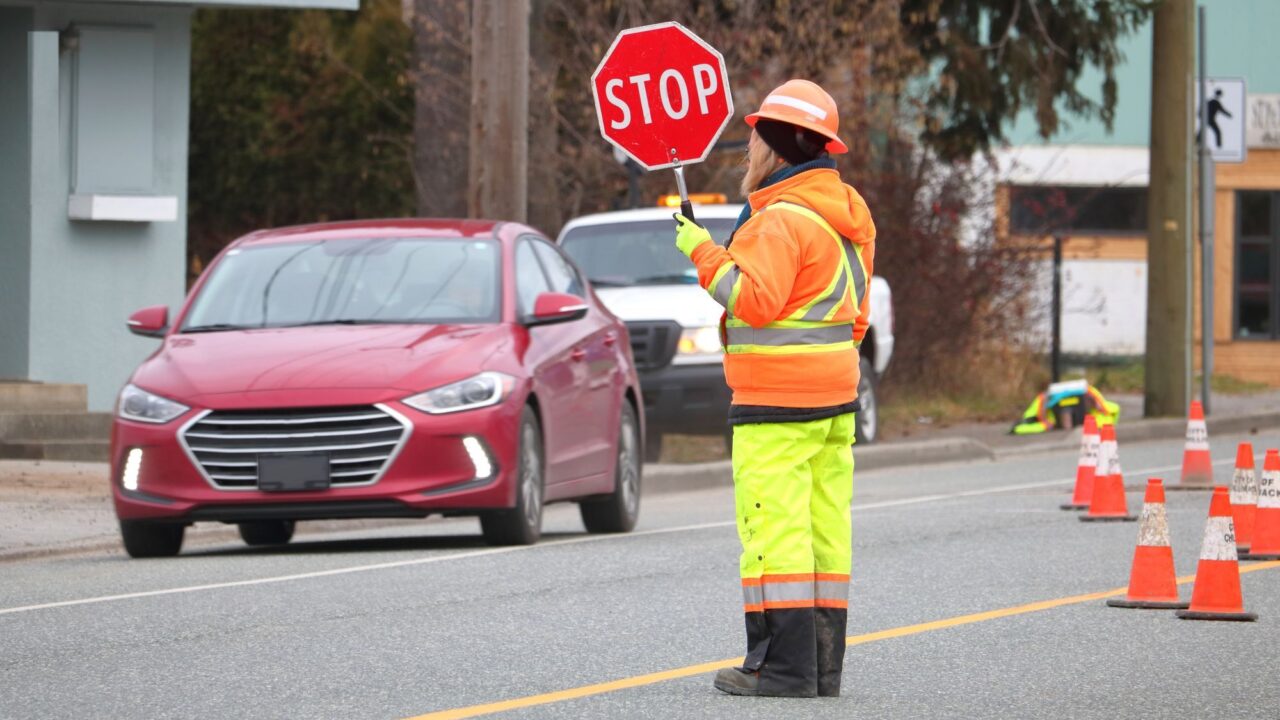
Safely Handle Traffic Management on the Jobsite
Traffic management is key to ensure the health and safety everyone on a construction site. With heavy equipment, delivery vans and pedestrians all sharing sites, organization is vital.
Three Steps to Aligning Safety Training With Today’s Business Needs
The quality, frequency and curriculum of safety training are important considerations in preparing supervisors and workers to get the job done the right way.