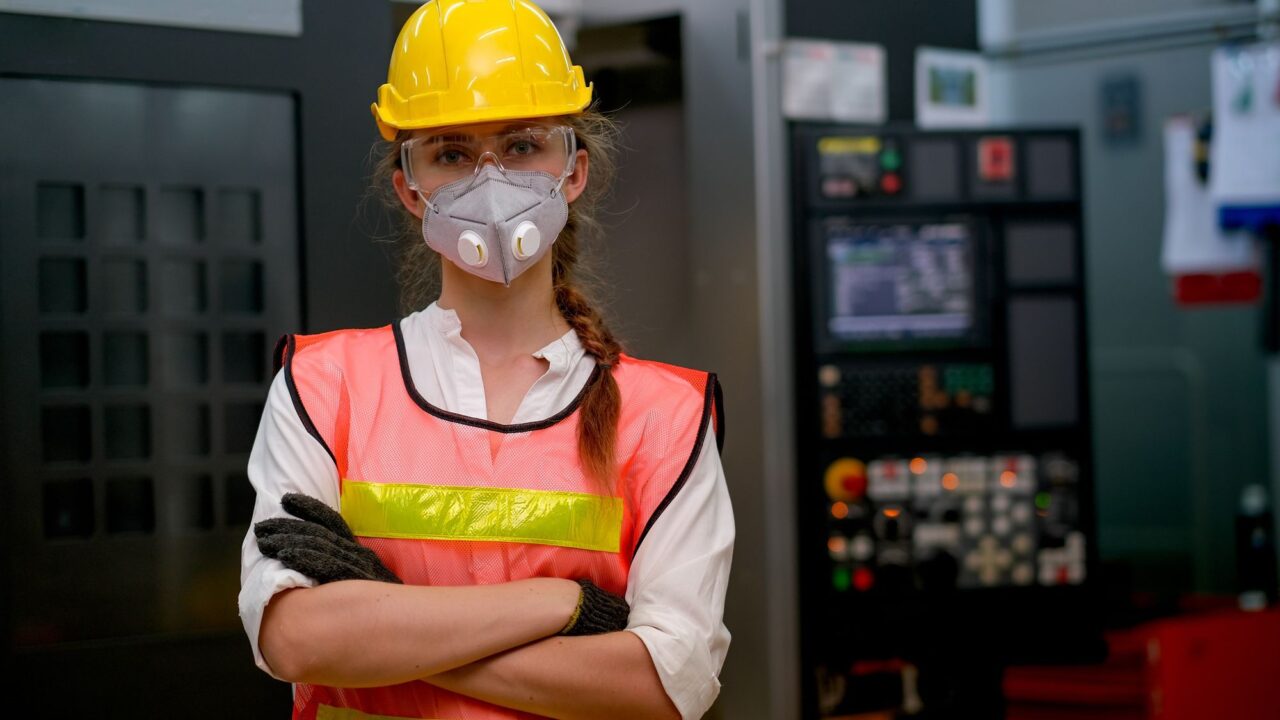
Fall protection, ladders and trenching are three frequently cited OSHA construction standards. A written safety program is critical to employee safety and defense against OSHA citations.

Using Technology to Help Solve the Mental-Health Crisis in Construction
Mental health is a lingering symptom of the COVID-19 pandemic. Given the shortage of counselors and the spike in demand, it is time to embrace technology to fill the gaps and add value.
Managing Risks of COVID-19 While Working in Occupied Facilities
As flu season approaches and COVID-19 continues to be a threat, contractors must establish and implement a job hazard assessment plan to identify risks presented by COVID-19 and that mitigates those risks.
15 Ways to Help Ensure Tower Crane Safety
The following practices can help reduce common hazards associated with tower cranes and keep projects moving forward.
Dedicating a Safety-First Approach to Jobsite Vehicle Use
A high volume and variety of vehicles on jobsites spells risk and liability. Here are strategies to create a safe and productive construction environment that protects workers and vehicles.
Four Ways to Instantly Improve Communication and Safety On Construction Sites
Communication and safety go hand in hand. Safety must be a documented goal and verbally reinforced by site management.
How COVID-19 Has Affected Risk in the Construction Industry
While COVID-19 has increased the risks for construction professionals, there are strategies to mitigate risk such as virtual training, wearables and attracting the best talent.
Surety Bonding Would Provide Peace of Mind for P3s
Due to the lack of funding, many public entities are considering public-private partnerships, also known as P3s, as a way to finance and complete necessary infrastructure projects.