The construction industry has experienced one of the highest suicide rates of all industries, but there are concrete actions to take to help those who may be struggling, feeling helpless and/or hopeless.

New Wearable Technologies Measure Stressors That Lead to Workplace Injuries
New wearable technologies objectively measure postures and forces on isolated muscle groups, bones and tissues for a better understanding of risks related to musculoskeletal injuries.
Stop-Work Authority Becomes Stop-Work Responsibility
Give workers control of their own (and others) safety with stop-work authority, which gives them the ability to stop work when a perceived unsafe condition or behavior is seen or recognized.
Alternatives to Opioids for the Management of Chronic Pain: Part II
Chronic pain from musculoskeletal disorders is common in construction worker and contributes to risk factors that affect quality of life, including sleep deprivation, depression and substance use disorders.
Business Survival in the Age of COVID-19
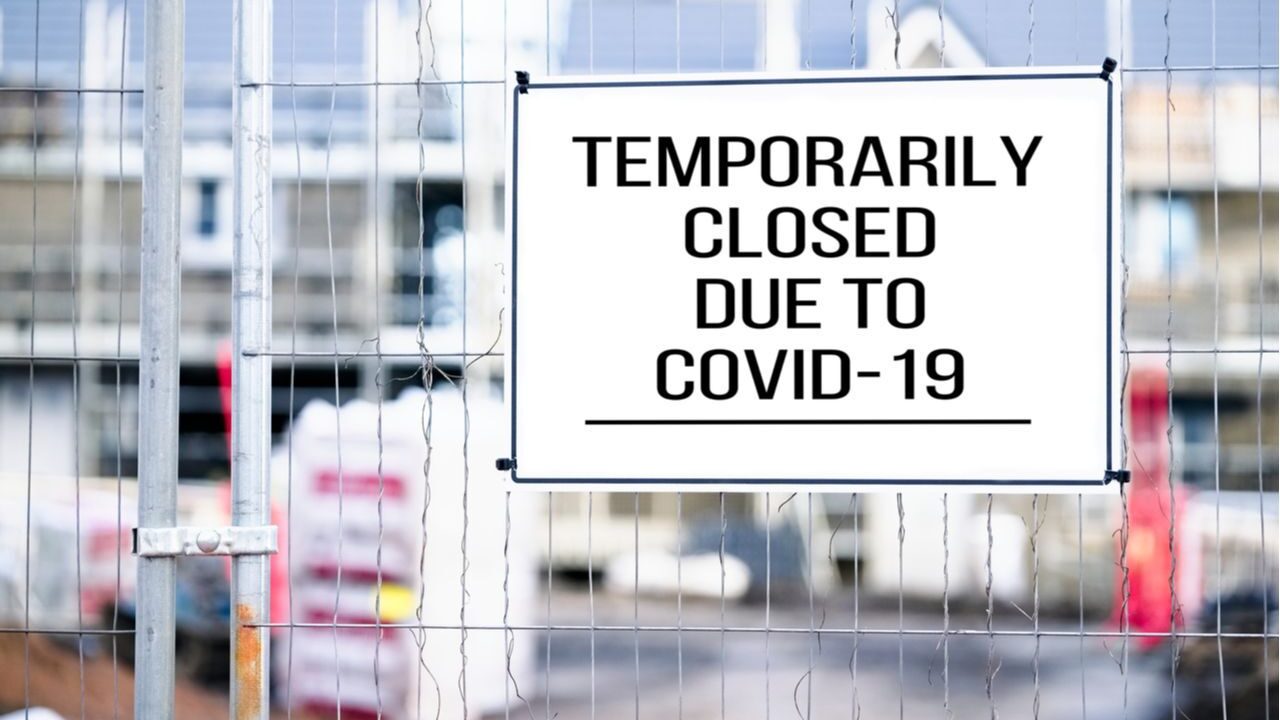
Unexpected setbacks are daily fare for construction professionals, but the staggering impact of COVID-19 over the past year is testing industry resilience like nothing before.
Addressing These Key Issues Can Help Improve Safety on the Jobsite
All companies—especially those in high-risk industries like construction—should implement a comprehensive risk management plan. Effective plans require several key steps, and forgetting a single element can potentially throw the entire plan off track.
Leading by Design
Steve Klessig, ABC’s 2021 national board chair, will apply his philosophy of humility, honesty and hard work to the task of leading the industry through its new future.
What the 117th Congress Means for Construction
The 117th Congress will play a vital role in new the administration’s ability to act on its campaign promises for the next two years.