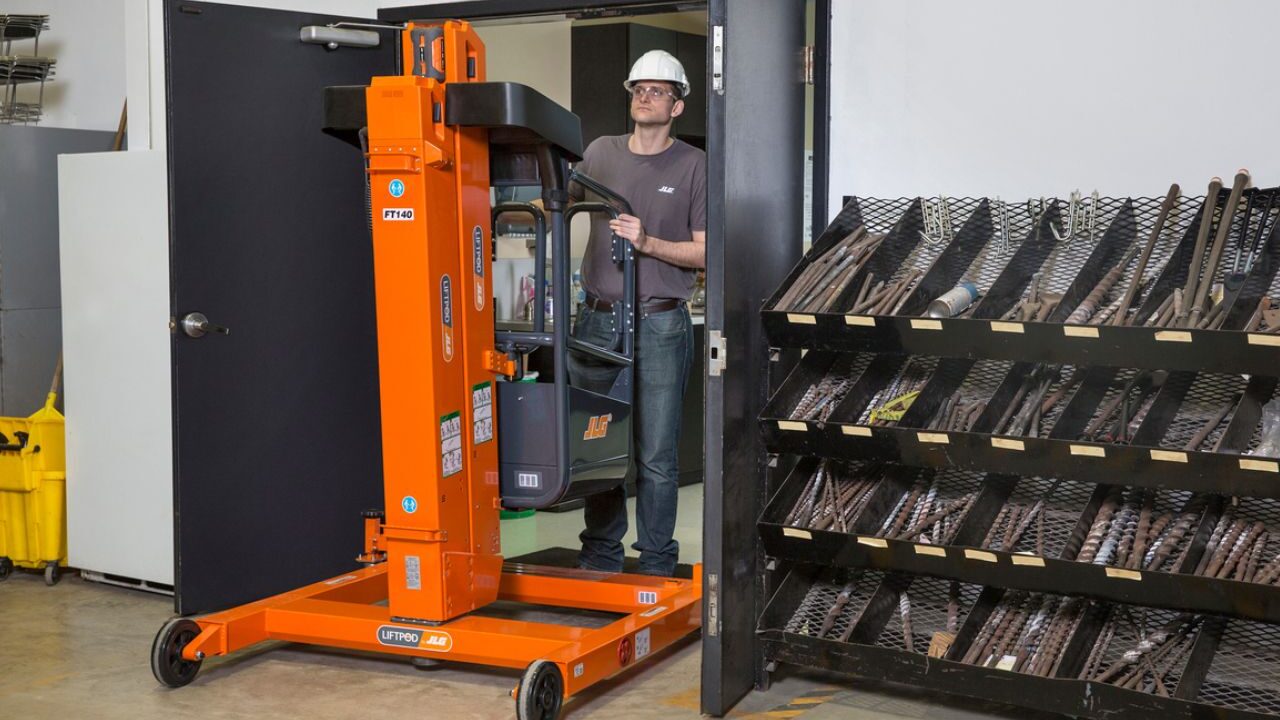
Ladders can lead to occupational hazards, including ergonomic and overexertion injuries due to strenuous movements or from carrying or transporting them between work locations.

Mold Pollution Remediation Solutions for Commercial Buildings
As people return to work, workplaces must be free from mold contamination. Where mold contamination has occurred, mold remediation or mold abatement can be applied to eradicate it.
Improving Access to Health Care and Wellness Services for Construction Trade and Craft Workers
Contractors can reduce barriers that keep workers from seeking mental and medical health care services.
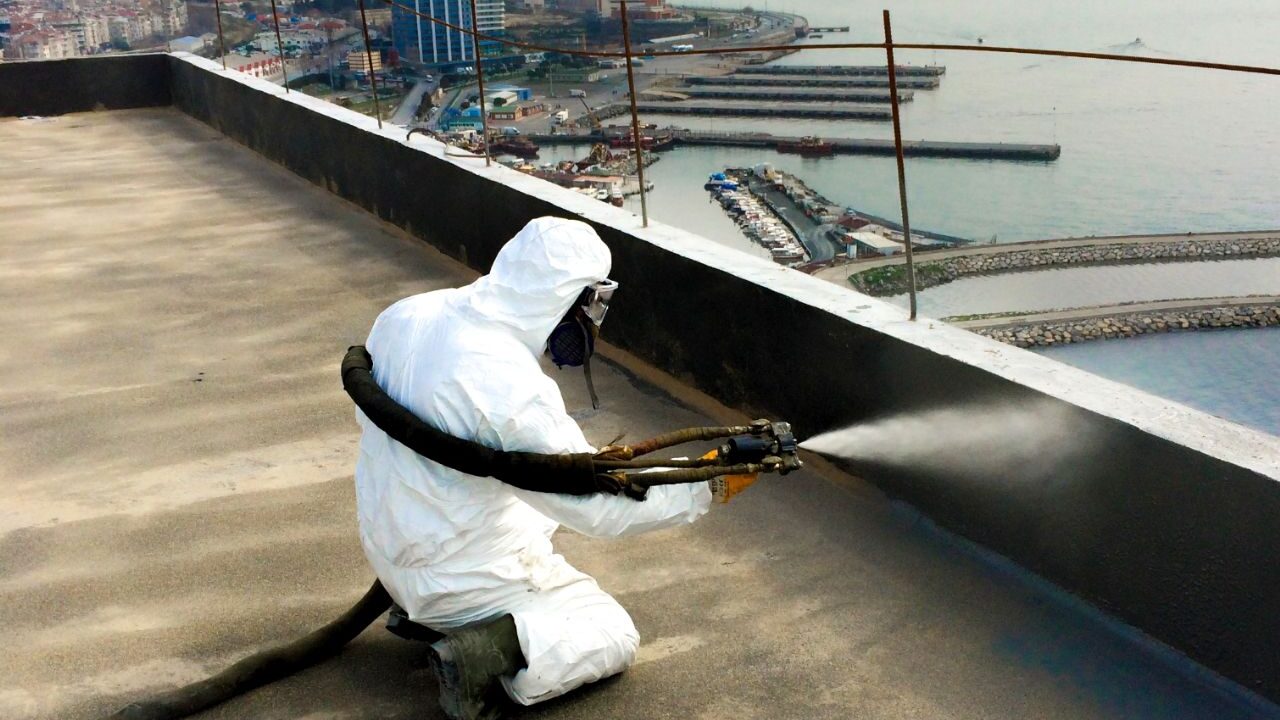
The Safety Factor With Cold-Applied Versus Hot-Applied Liquid Waterproofing
Waterproofing new or existing elevated structural decks can be accomplished with either a cold-applied or hot-applied liquid waterproofing product, each with safety considerations to take into account.
Five Steps for Monitoring and Improving Contractor Safety
One in five deaths among U.S. workers is in construction. Supply chain risk management software can help construction companies protect their subcontractors, suppliers and businesses.
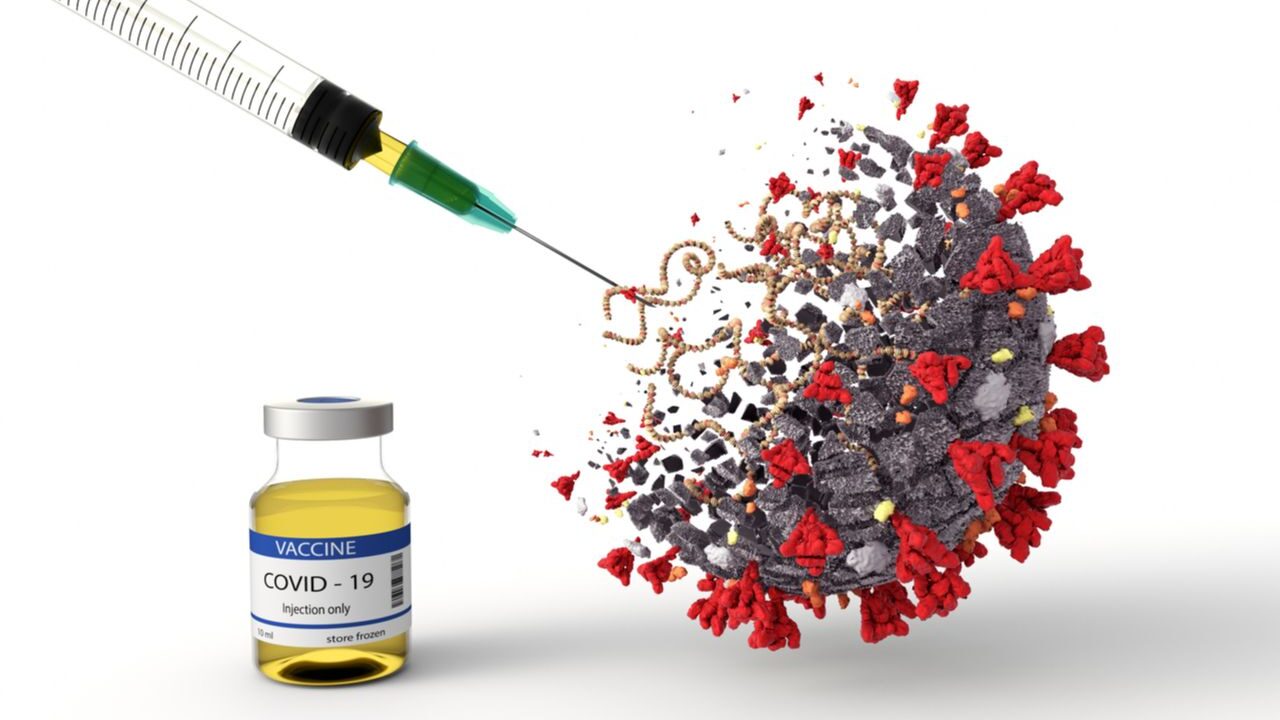
The CDC Revisits COVID-19 Restrictions for Fully Vaccinated Individuals
How can employers handle fluctuating COVID-19 guidance and what should individuals do to stay safe? A refresher on safety protocols in the ongoing pandemic.
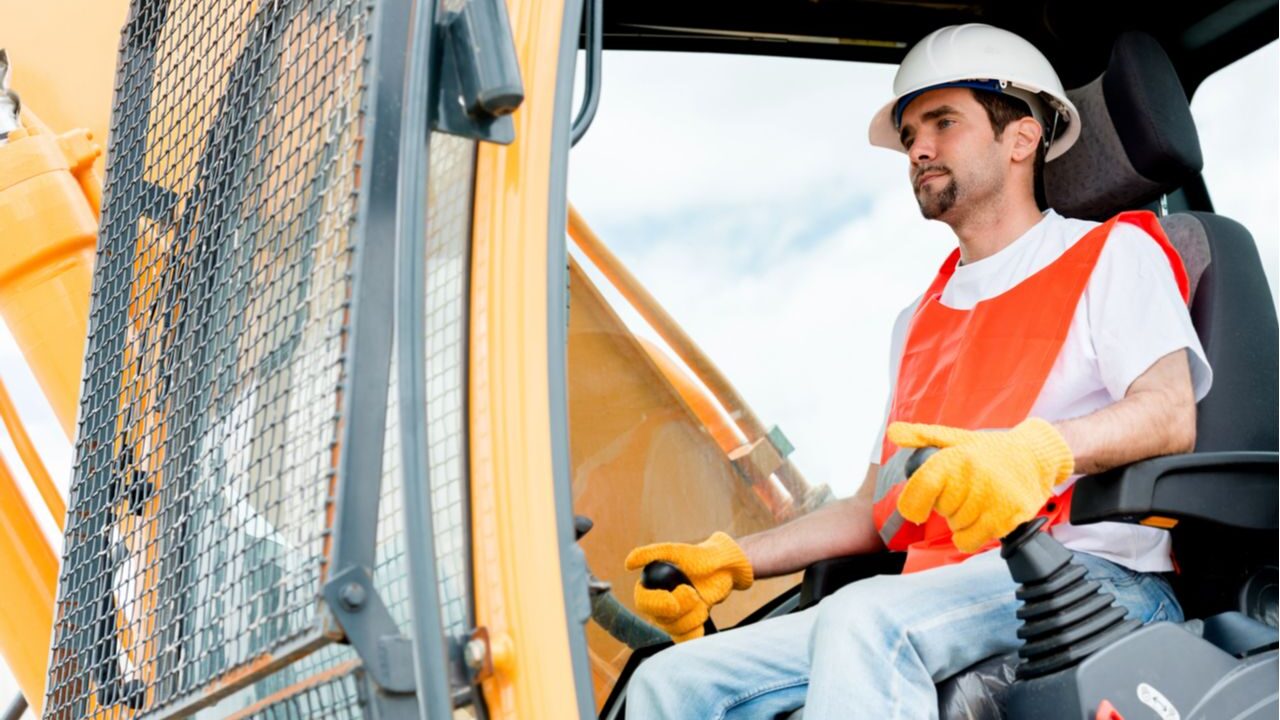
Don’t Drop the Ball (or the Load): Crane Safety Best Practices
In addition to complying with crane certification, training and evaluation requirements, there are best practices construction employers can implement for worker safety around cranes.
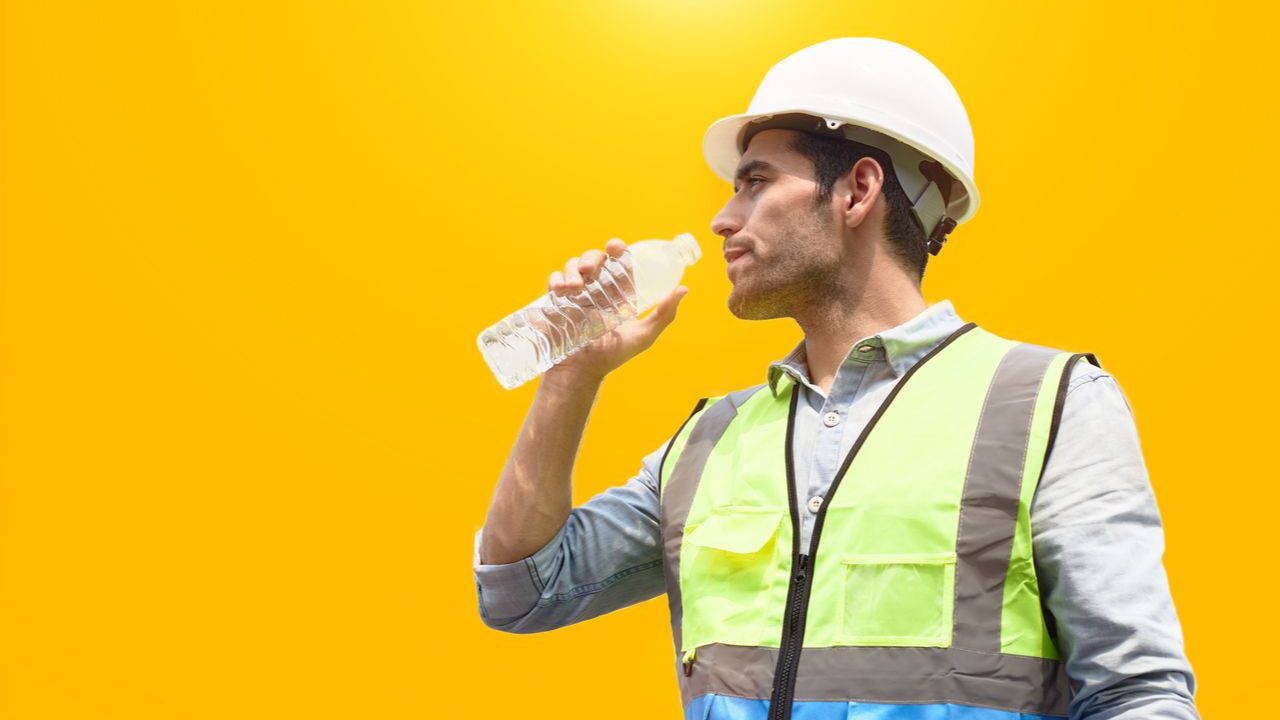
OSHA Provides Resources to Prevent Heat Illness and Death on Construction Jobsites
OSHA offers numerous resources that will help to protect workers from heat.