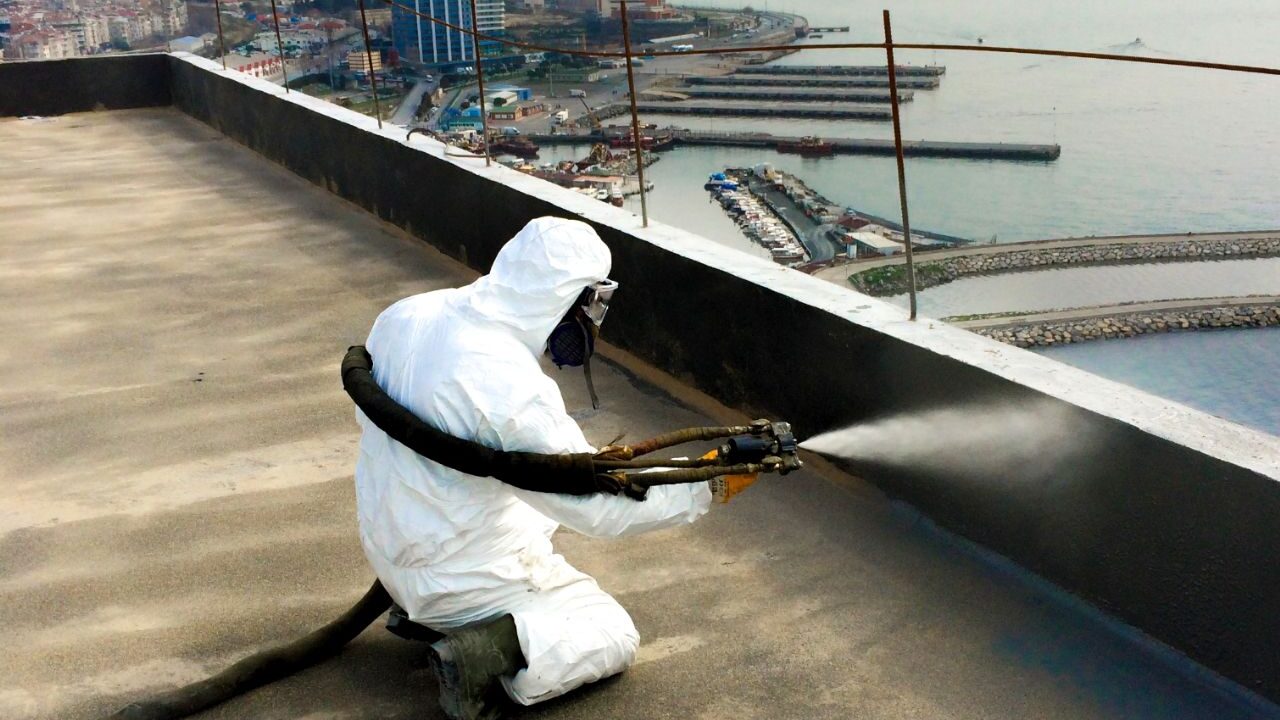
Waterproofing new or existing elevated structural decks can be accomplished with either a cold-applied or hot-applied liquid waterproofing product, each with safety considerations to take into account.
One in five deaths among U.S. workers is in construction. Supply chain risk management software can help construction companies protect their subcontractors, suppliers and businesses.
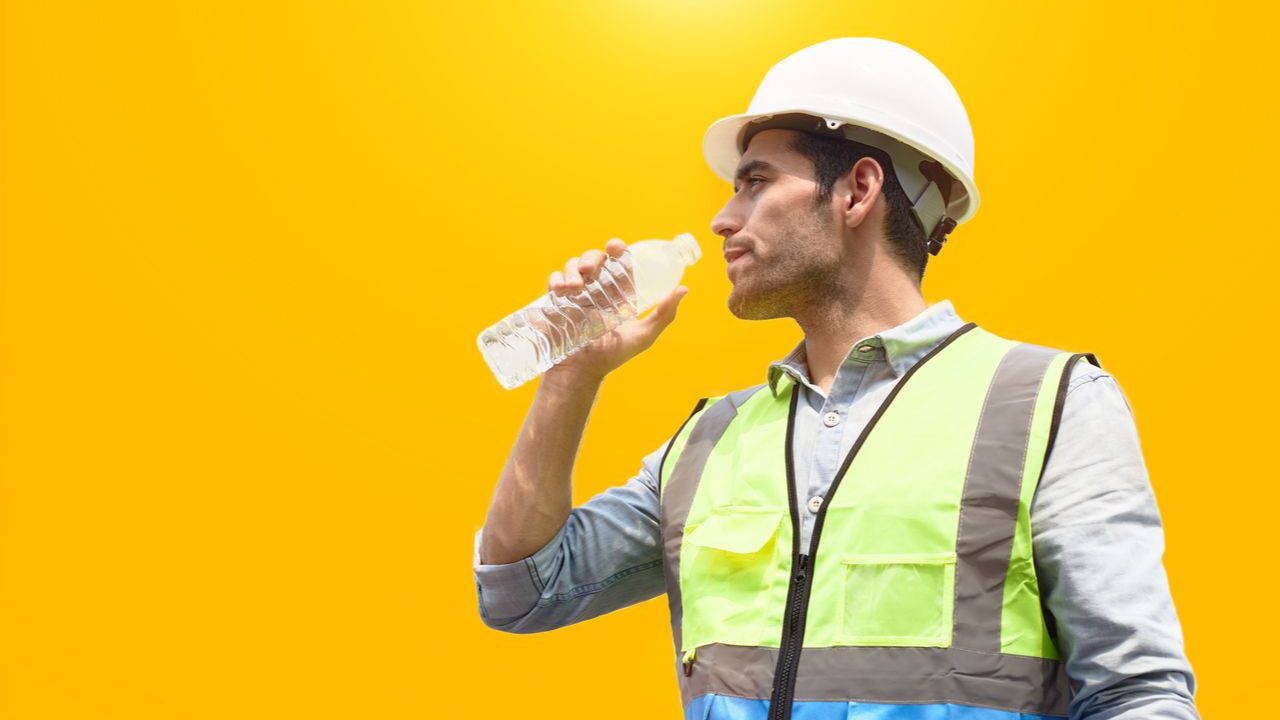
How can employers handle fluctuating COVID-19 guidance and what should individuals do to stay safe? A refresher on safety protocols in the ongoing pandemic.
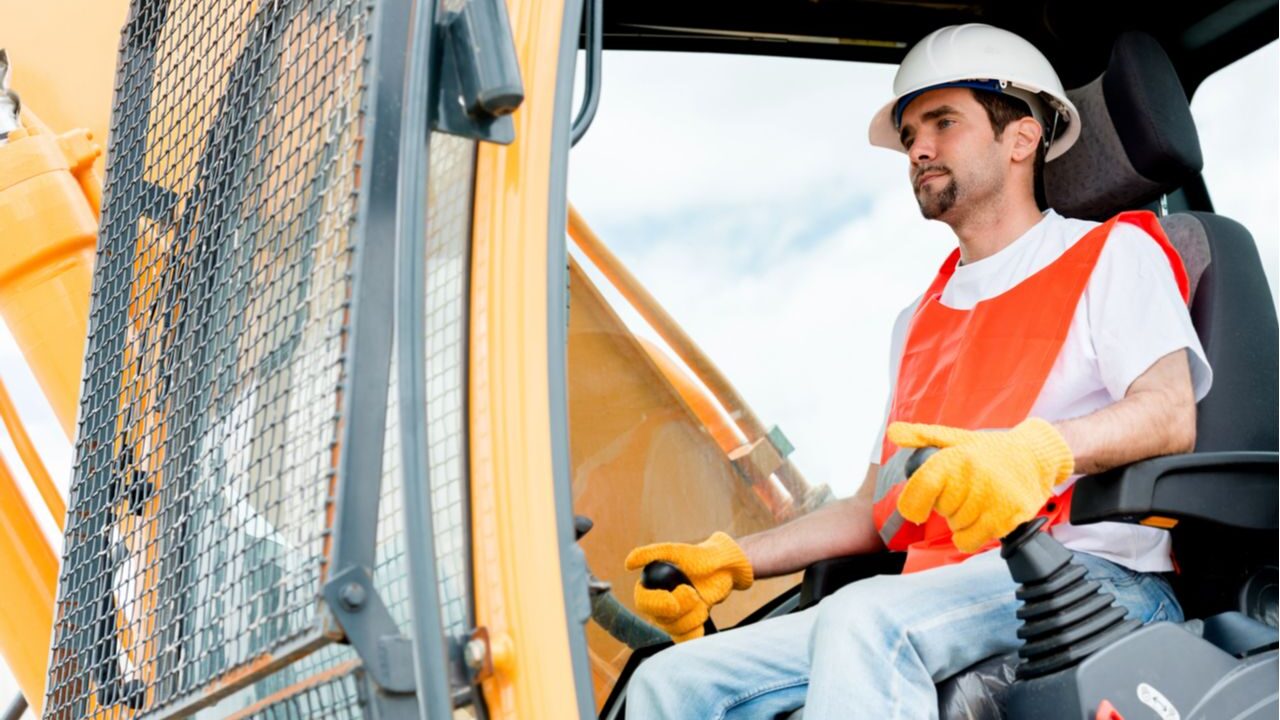
In addition to complying with crane certification, training and evaluation requirements, there are best practices construction employers can implement for worker safety around cranes.
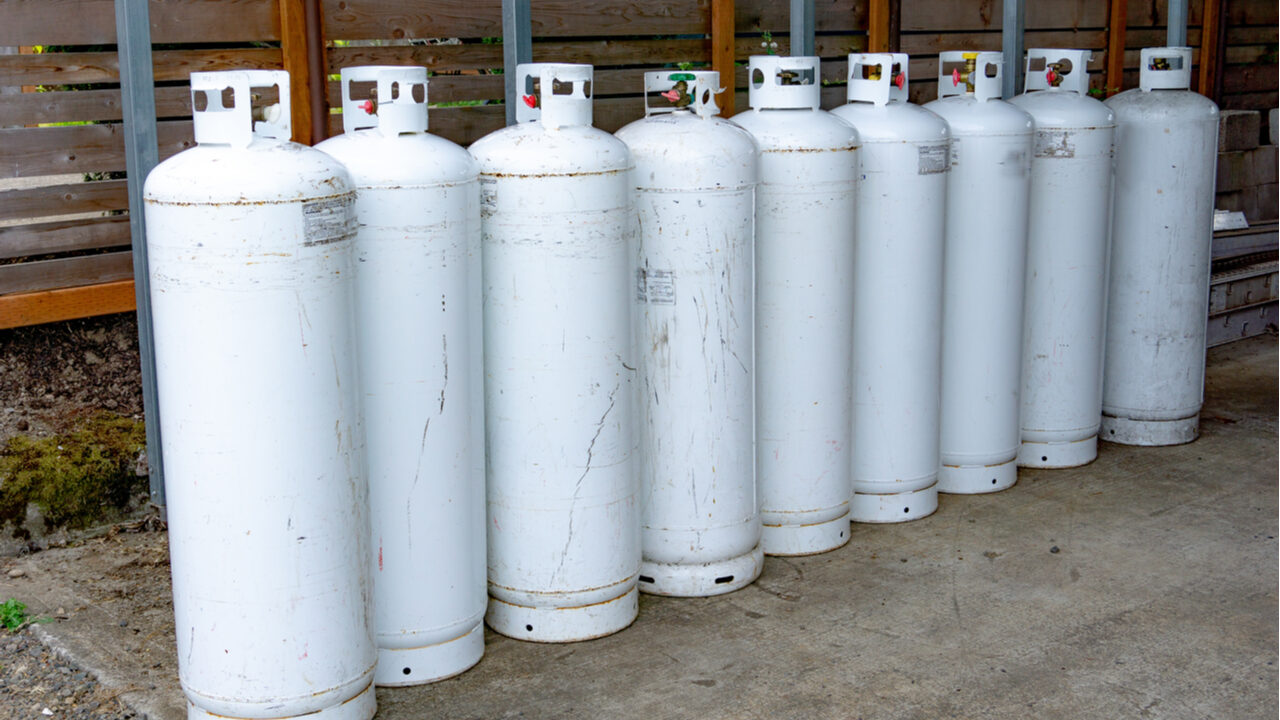
Crews working around internal combustion engine-powered equipment, including propane, should be aware of dangers of CO, signs of CO poisoning, precautions to take and how different fuels affect their risk.
A safety culture makes the jobsite an enjoyable place to work, attracting bright and experienced experts who work together to provide innovative solutions to construction challenges.
Construction Executive’s premier weekly newsletter, CE This Week, brings you topical, relevant content on business, technology, safety, risk and other areas of importance for construction professionals.