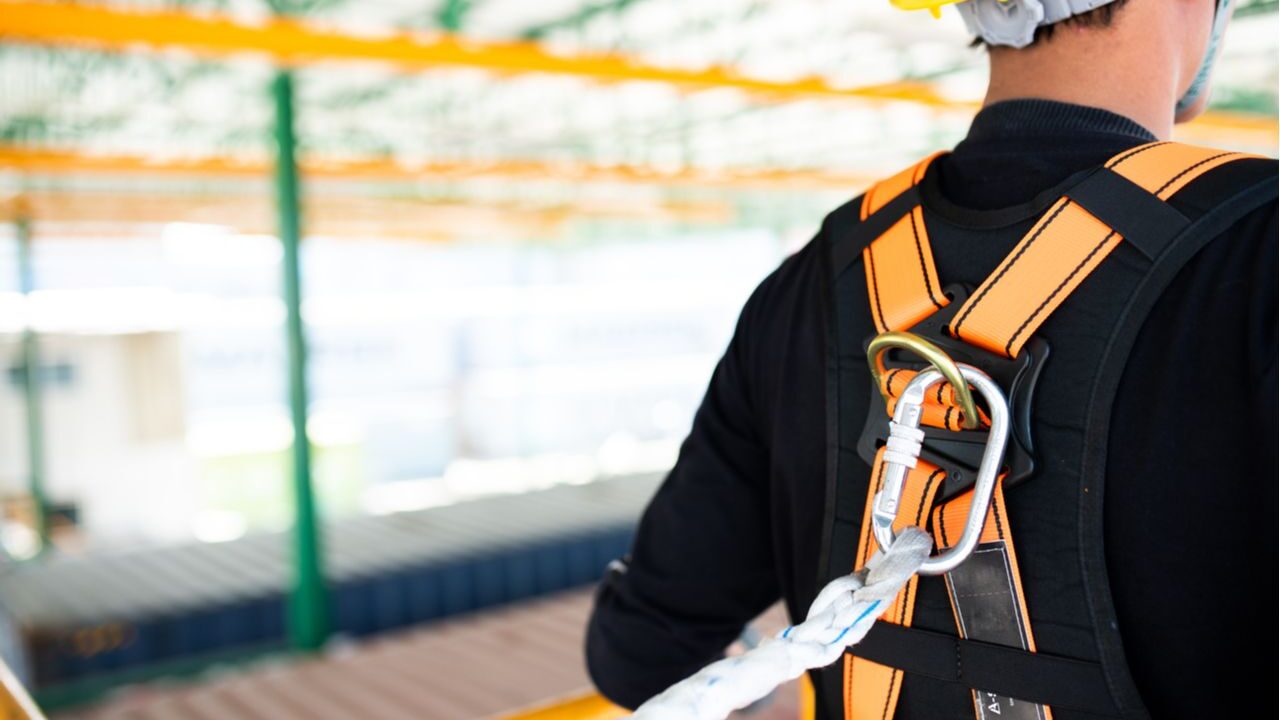
OSHA requires fall protection at heights more than six feet from the next work level. Know how to calculate fall clearance so workers can safely focus on the task at hand.
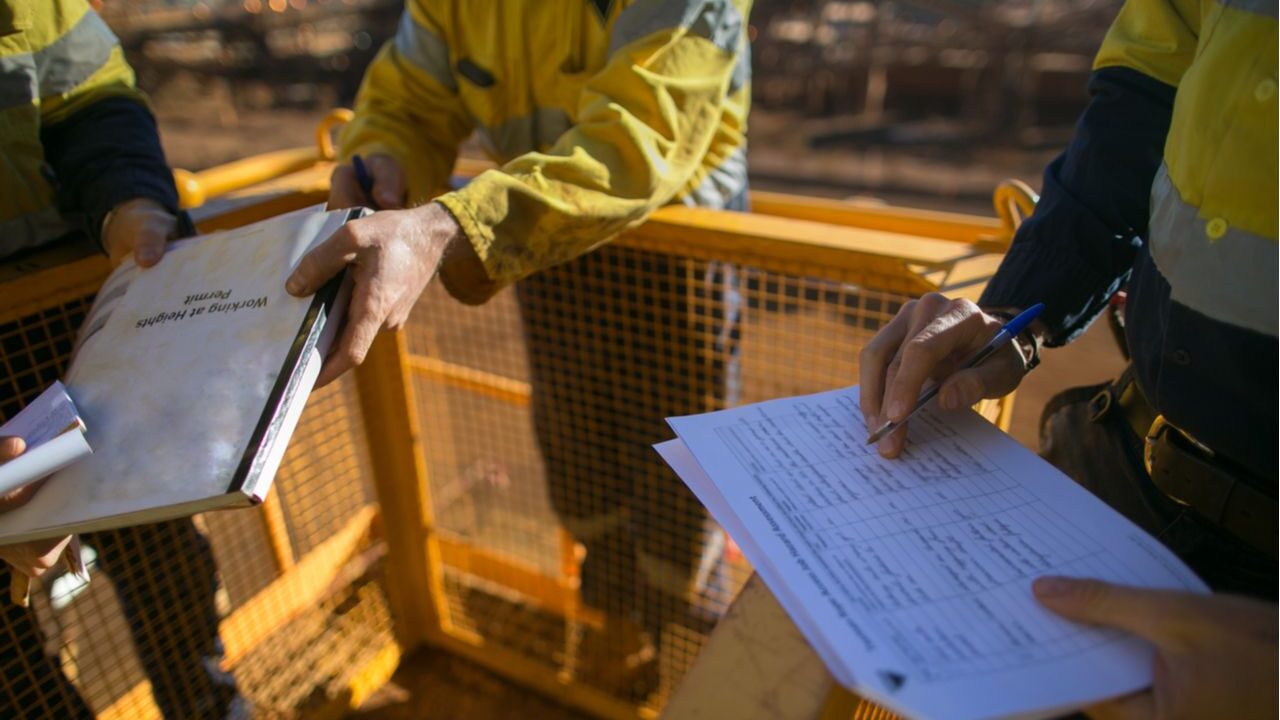
Turn a Construction Safety Program Into a Competitive Advantage
A strong safety program can help recruit new talent and new business. Start seeing the ROI on the safety program with increased business growth and retention.
Reasonable Accommodations for Mental Health in the Workplace
The process of accommodating mental health issues is an interactive one between employer and employee. Both need to understand the employee’s limitations and needs to best address them.
2022 Political Forecast Promises More of the Same—Change
Moving into 2022, there are three key factors that will determine just how far the political pendulum might swing away from the Democrats in power: temperature, candidates and maps.
#CEPhotoContest: Showcase Your Workforce, Technology and Diversity
Join Construction Executive in showing what it’s like to work in today’s building sector by submitting a photo in one of three categories: diversity, workforce and equipment/technology.
OSHA’s COVID-19 Emergency Temporary Standard Is in Flux
OSHA’s COVID-19 Emergency Temporary Standard requires employers with 100 or more employees to develop, implement and enforce a mandatory vaccination policy—but legal challenges are in process.
Preventable Absences Are Possible in Construction
Employers can minimize absences by focusing on five specific medical conditions.
When Should a General Contractor Require Subcontract Bonds?
The relatively low cost of a subcontract bond provides the opportunity for greater recovery in the event of a default, and it provides a greater certainty of a successful outcome on the overall project for the continued profitable operation of the general contractor’s enterprise.