The use of live field data can decrease unnecessary risks by empowering workers to report safety concerns, enabling management to share safety information in real time.
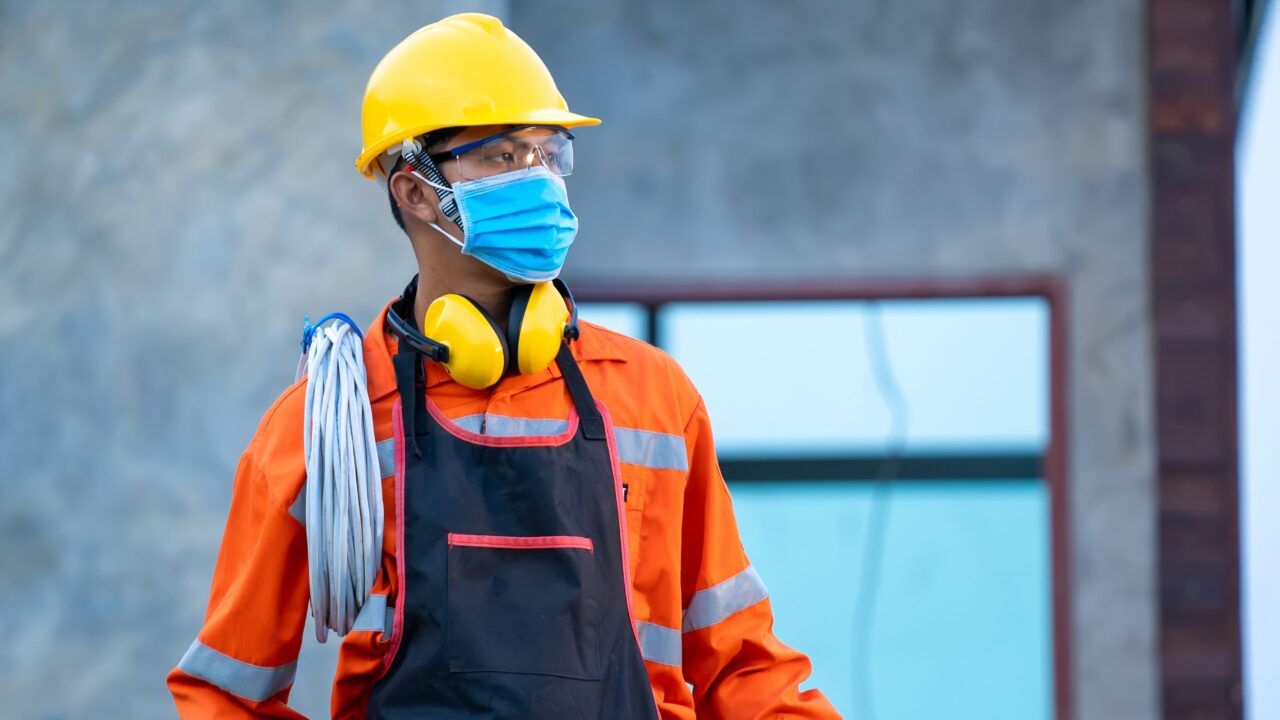
To remain OSHA compliant, contractors should re-evaluate their hazcom, respiratory protection and PPE programs after having implemented COVID-19 protocols over the past year and a half.
Federal contractors and subcontractors providing services to the federal government should begin preparing now to implement guidelines for COVID-19 workplace safety.
Discussing mental health may be uncomfortable, but by fostering a safe environment and a culture of understanding, construction leaders can help employees when times are tough.
IoT devices such as wearable sensors, connected equipment and industrial monitoring products that track and share data are helping lower losses and cost of risk, especially on construction sites.
With construction trade shows essentially shut down during the pandemic, manufacturing equipment providers reached out to important prospects directly with custom experiential marketing trailers—a lasting way to expand their trade show presence.
As awareness and advocacy for workplace mental health and well-being continues to rise, an on-site chaplaincy program is one way for contractors to demonstrate a caring culture and support for employees.