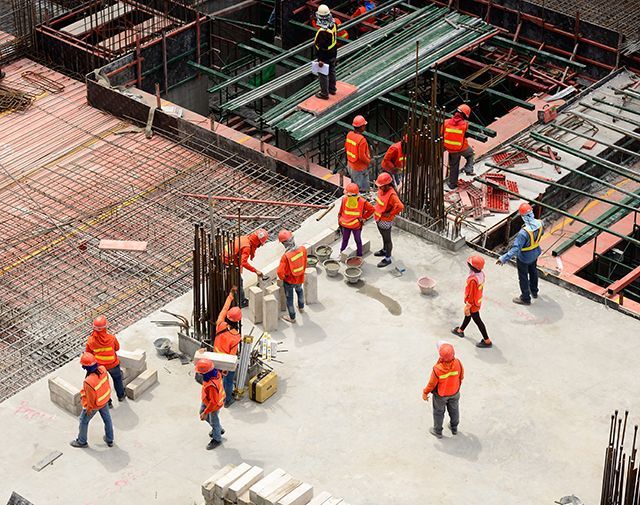
Demolition work is so hazardous that OSHA devoted an entire subpart of its Construction Standards to it. When it comes to safety performance, a proactive stance leads to quality work and a safe jobsite.
Get Ready for the Imminent OSHA 300 Electronic Reporting
Implementation of OSHA’s 300 electronic reporting rule will be implemented on Dec. 1 for all federal OSHA states. States with state OSHA programs will need to be compliant by May 1, 2018.
Review of OSHA Rules: No More Secrets
OSHA’s requirement to submit detailed reports of workplace injuries and illnesses for publication online on a public website means that a company’s injury reports can be viewed by its customers, competition, subcontractors and business prospects.
Road Crew Traffic Safety in a Distracted World
An effective work zone, typically identified by signs, cones, barrels and barriers, should focus on traffic safety and review of hazards specific to work areas.
World-Class Safety Culture on the Construction Jobsite
While systems, processes and policies are paramount to success within any safety program, it is the leadership of employees and an understanding of the “behavioral” aspect in a culture that will lead to world-class safety.
Curbing Respirable Crystalline Silica: What to Expect
With enforcement for the construction standard beginning Sept. 23, 2017, it’s important to understand how to be prepared.
Five Strategies for Reducing Subcontractor Risk and Hiring Qualified Subcontractors
Assessing and managing subcontractor risk are among a GC's top challenges, but there are strategies to mitigate the risk. From surety bonding to extensive financial and performance reviews, general contractors have plenty of options how to address risks and hire qualified subs.
A User’s Perspective on Health Care Trends
Darrell O. Simpson, senior vice president of development at The Sanders Trust, Birmingham, Ala., offers candid feedback o health care segments, workforce concerns, and the benefits of collaboration, BIM and prefabrication.