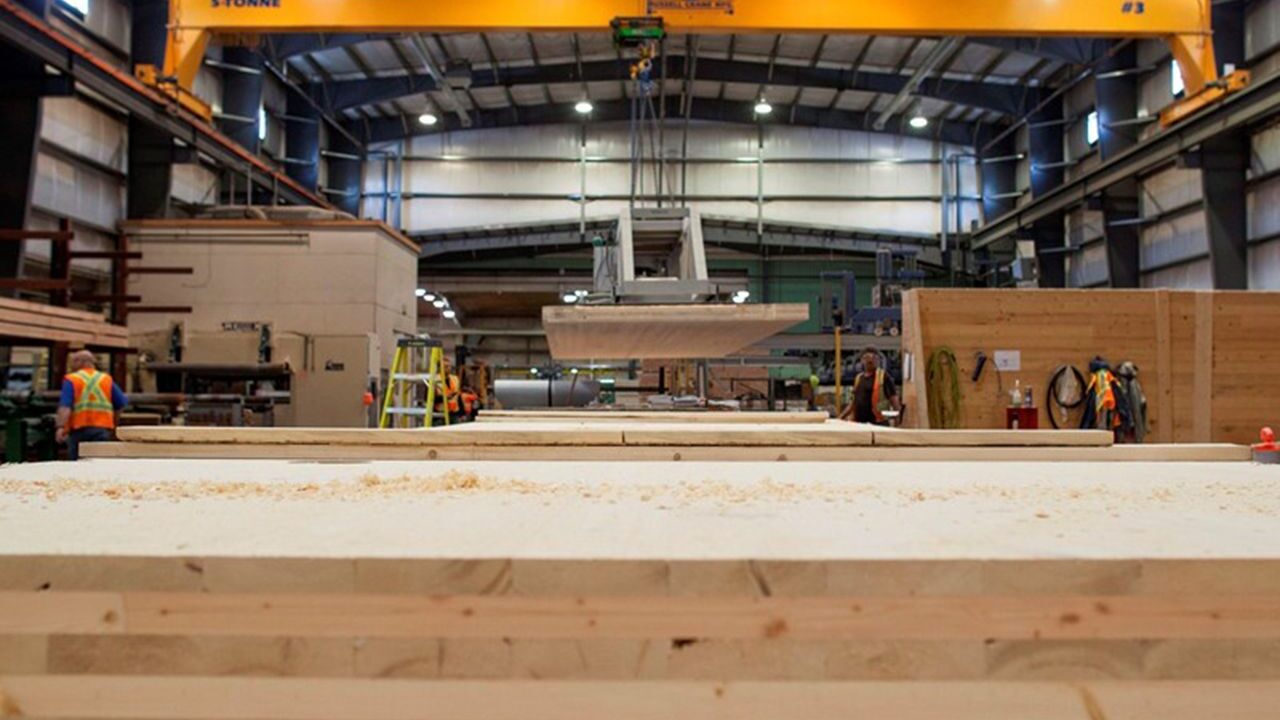
The use of mass timber has been growing as developers strive for sustainable and efficient construction. With increased understanding of mass timber’s fire performance, expect to see more of these buildings.
Moderate Gains Expected in U.S. Respiratory Protective Equipment Market
The respiratory protective equipment market for the U.S. construction industry is anticipated to experience moderate gains through 2024.
Engineering Better Wood Structures for Earthquakes: Past Experiences and Future Trends
With proper design and better quality control, light-framed wood buildings will continue to perform better in seismic events and dominate low-rise commercial and single-family residential construction in the U.S.
Why Subcontractors Need to Be Insured
General contractors that hire subcontractors without proper insurance may find themselves footing the bill for lawsuits or claims, including property damage, bodily injury and even pollution.
Protect Critical Buildings and Equipment With a Special Hazards Fire Suppression System
An effective fire safety plan is vital when it comes to protecting employees, assets and production. In buildings where water may not be the most ideal agent to use, the next option is clean agents used in special hazards fire suppression.
OSHA and HR: Dealing With Drugs, Disability and Hostility in the Workplace
In addition to dealing with frequent workers’ comp cases, onsite injuries and dangerous conditions, contractors must also deal with drugs, disability and violence/hostility. OSHA provides resources for dealing with these issues.
Safety Labels vs. Signs: What’s the Difference?
OSHA has set standards that define what a safety sign is, how it should be used and where it should be placed, but it is up to each company to decide whether to use a sign or a label. Here’s a primer on signs, labels and materials and when to use them.
How the Right Financial Tools Can Benefit Construction Employees
From younger staff who need help paying down student loans to older staff thinking about retirement, taking a holistic approach to financial education and wellness can help employers provide the knowledge and resources to address employees' financial goals and plans.