Drug testing is only as effective as the people collecting the samples and processing the results. Contractors will benefit from working with others to enhance safety and strengthen quality control standards.

Using Wallet Cards to Weave Mental Health and Suicide Prevention Into Safety Conversations
By providing suicide prevention wallet cards, employers affirm that mental health matters and that employees may experience challenges that affect their wellbeing or their life/work balance.
The Defense of Unpreventable Employee Misconduct
Employers faced with OSHA violations may rely on the defense of “unpreventable employee misconduct” but they are not relieved of responsibility simply because an employee did not follow the rules.
Subcontractor Claims: Tips to Avoid and Bolster Potential Claims Against General Contractors
A recent court case reaffirmed core principles for avoiding subcontractor claims - read the contract, document, don’t write anything that shouldn’t be used in a trial, and clarify and confirm.
Technology, Contracts and Jobsite Safety
Contracts should specify that technology requirements are in addition to other safety requirements, and that compliance with relevant codes and regulations is required.
Fatigue in the Workplace
Fatigue is a potentially deadly problem that affects most Americans on the job. Construction is especially susceptible, according to the National Safety Council.
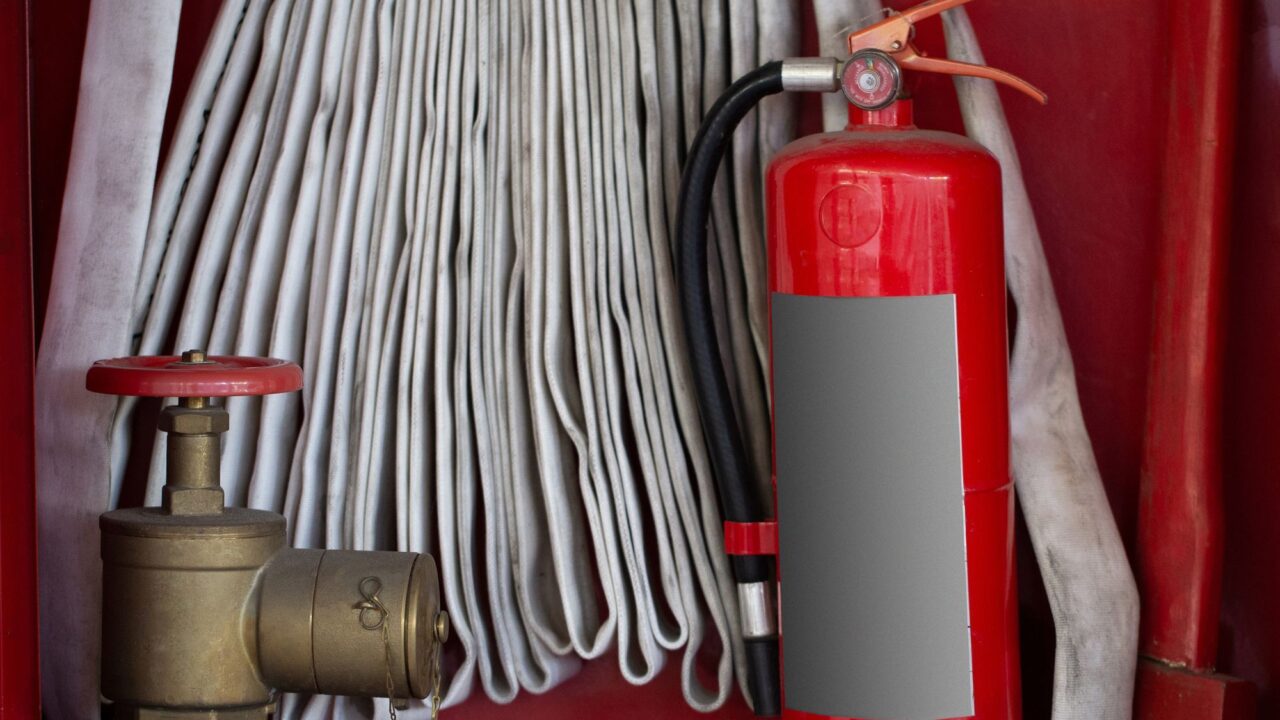
Fire Safety and Restoration Essentials in Commercial Construction
When it comes to preparing for fire risk on a jobsite, having the right insurance is only the beginning of what’s important.
The Intersection of Risk Management, Safety, Technology and the Workforce
According to McKinsey Global Institute’s 2018 research report, “Reinventing Construction Through a Productivity Revolution,” the industry is slow to adopt technology, and has been struggling with stagnant productivity levels for decades.