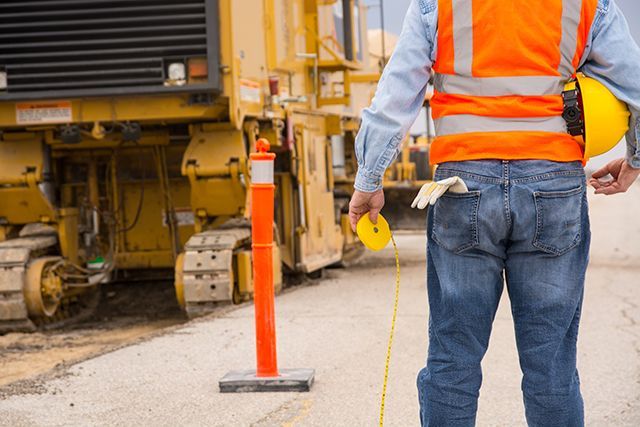
The Associated Builders and Contractors Empire State Chapter has petitioned the New York City Council to implement mandatory drug and alcohol testing for all city construction workers—noting in a letter to City Council Speaker Melissa Mark-Viverito and City...

Job Planning and Risk Assessment for Construction Electrical Safety: Prepare Now for Changes to the NFPA 70E 2018 Standard
With the pending release of NFPA’s 2018 updates to its 70E: Standard for Electrical Safety in the Workplace®, construction leaders and electrical contractors can prepare for these changes now by training employees to perform job safety planning, recognize hazards and apply control methods to mitigate risk.
Effective Human Resource Management and Employee Screening Procedures for Contractors: The Impact of Social Media in the Hiring Process
Developing and implementing proper human resource hiring procedures is critical to the prevention of liability for construction companies. As part of these procedures, it is critical to stay abreast of the rapidly changing impact that social media usage has on the hiring process.
OSHA Delays Compliance Dates for Silica and Beryllium Exposure Regulations
In response to industry pressure, OSHA has delayed the compliance date for its new respirable crystalline silica exposure standard by 90 days until Sept. 23.
When It Comes to Construction Safety, Have a Plan B: Mobile Personal Emergency Response Systems and wearable devices can alert responders in an emergency
Instead of relying on cell phones for emergency communication when an accident occurs on the jobsite, consider wearable devices that automatically report changes that could indicate an emergency. Another option is an mPERS device similar to those used by seniors that have a help button that can be pressed after a fall to alert emergency responders.
The Dangers of Managing Construction Safety to the Minimum Standards
The regulations established by OSHA are minimum requirements for injury prevention, with a focus on minimum. The “risk” of the activity in question is not discussed in these standards and frequently is not evaluated at all. Consider elevating the approach to include focusing on risk reduction techniques to craft safer work methods.
Move Away From Safety Banners to Better Promote Safe Construction: Four Ways to Improve Jobsite Safety
With open conversations, continual training and genuine safety awareness in place of safety advertising, construction workers can look forward to having a safe place to work, while margins and reputations are protected.
The Importance of Safety Training in Construction
Safety training is not a disposable task. Every employee needs to attend safety meetings and training. To keep safety in the forefront, managers need to provide relevant and useful safety instruction and guidance. By making safety a priority, contractors can significantly reduce worksite injuries and deaths.