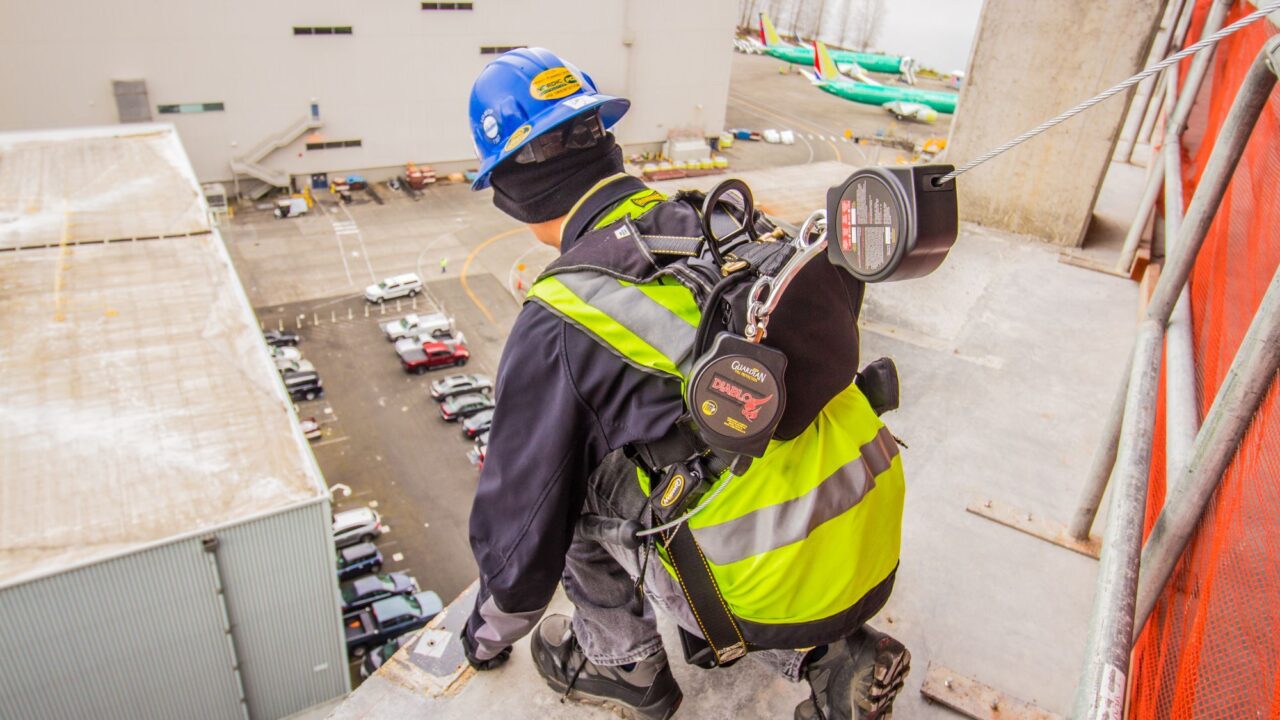
Leading edge hazards are often misunderstood and overlooked on today’s highly visible jobsites. Evidence is readily available via images shared on construction-related social media accounts.

Keeping Construction Sites Safe From Workplace Violence
Workplace violence is occurring at an alarming rate, yet many employers do not address it in safety training. Contractors can take proactive steps to avoid these situations and minimize risk to the workplace.
How the Construction Industry Can Address the Growing Risk of Substance Abuse
As substance abuse increases in the United States, compounded by acceptance of medicinal and recreational marijuana, contractors need to adopt programs to help workers fight addictions.
Clarification on OSHA’s Rule on Post-Accident Drug Testing and Safety Incentive Programs
A 2016 OSHA final rule prohibited employers from retaliating against employees who report work-related injuries or illnesse. An Oct. 11 memorandum clarified that employers can now drug test all injured employees and offer safety incentive programs.
OSHA Finalizes Rule on Crane Operator Qualification and Certification
Construction employers with employees who operate cranes should assess their training, certification and evaluation programs now to ensure they are fully compliant with OSHA’s final rule.
Shouldering Responsibility for Protecting Workers From Arc Flash Incidents
An effective electrical safety program ensures that workers are equipped with the tools, skills and organizational support to recognize and avoid hazardous conditions that could lead to an arc flash incident.
Elevator Construction Injuries Decline, but Fatalities Rise
Elevator-related injuries in construction reached a high of 920 in 2012 before falling to 280 in 2016, a 70 percent drop in four years, according to a report from The Center for Construction Research and Training.
New Year’s Budgeting: Why Emergency Preparedness Takes Priority
Extreme weather events can cause extensive damage. A weather mitigation plan can ensure the safety and security of commercial buildings and the people within them—particularly when it comes to electrical systems.