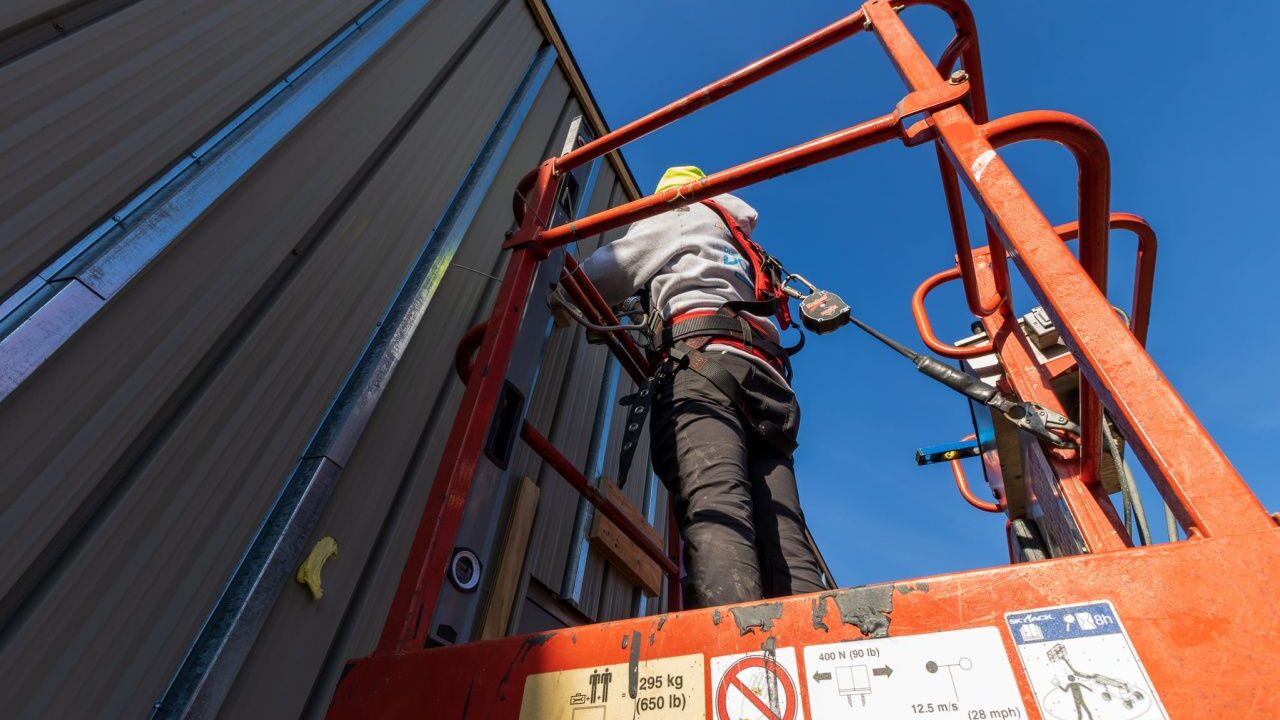
Fall protection, ladders and trenching are three frequently cited OSHA construction standards. A written safety program is critical to employee safety and defense against OSHA citations.
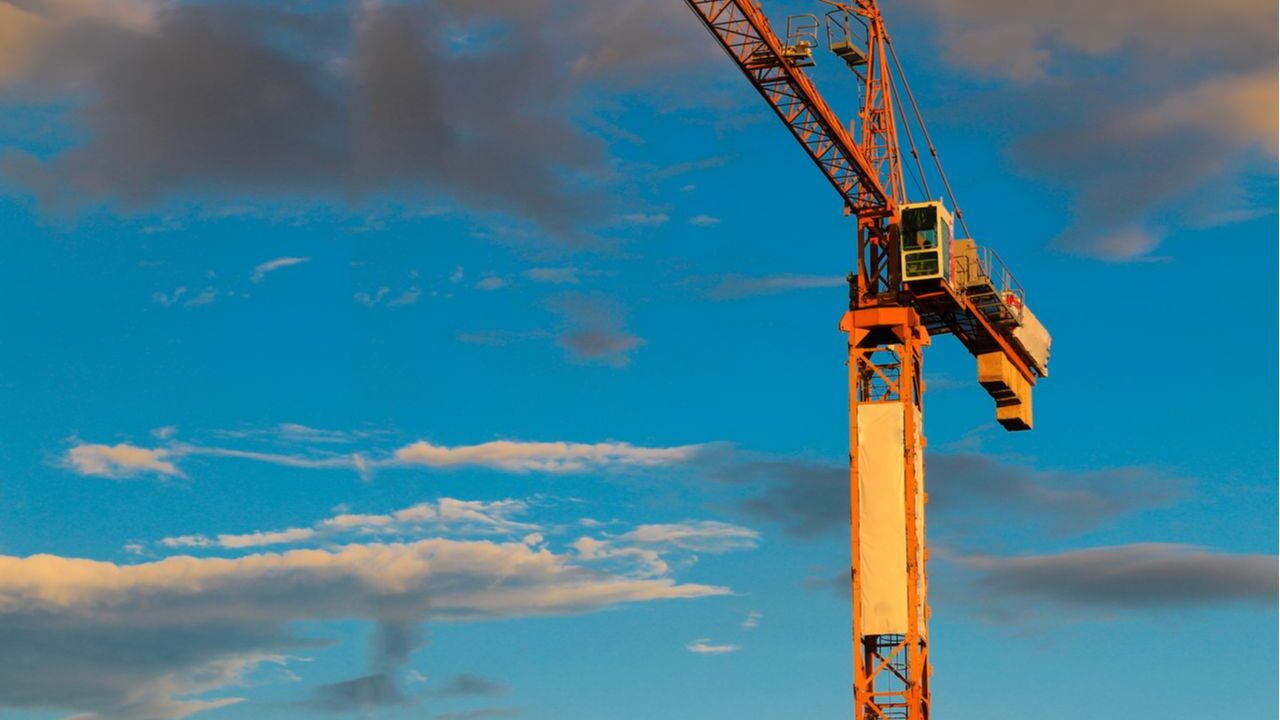
15 Ways to Help Ensure Tower Crane Safety
The following practices can help reduce common hazards associated with tower cranes and keep projects moving forward.
Dedicating a Safety-First Approach to Jobsite Vehicle Use
A high volume and variety of vehicles on jobsites spells risk and liability. Here are strategies to create a safe and productive construction environment that protects workers and vehicles.
Business Interruption Policies: Are COVID-19 Losses Covered?
Business interruption coverage provides coverage for loss of income or covered expenses. While in most cases, BI has not covered COVID-19 losses, there are glimmers of hope.
Don’t Overlook Asbestos Inspections Before Demolition or Renovation
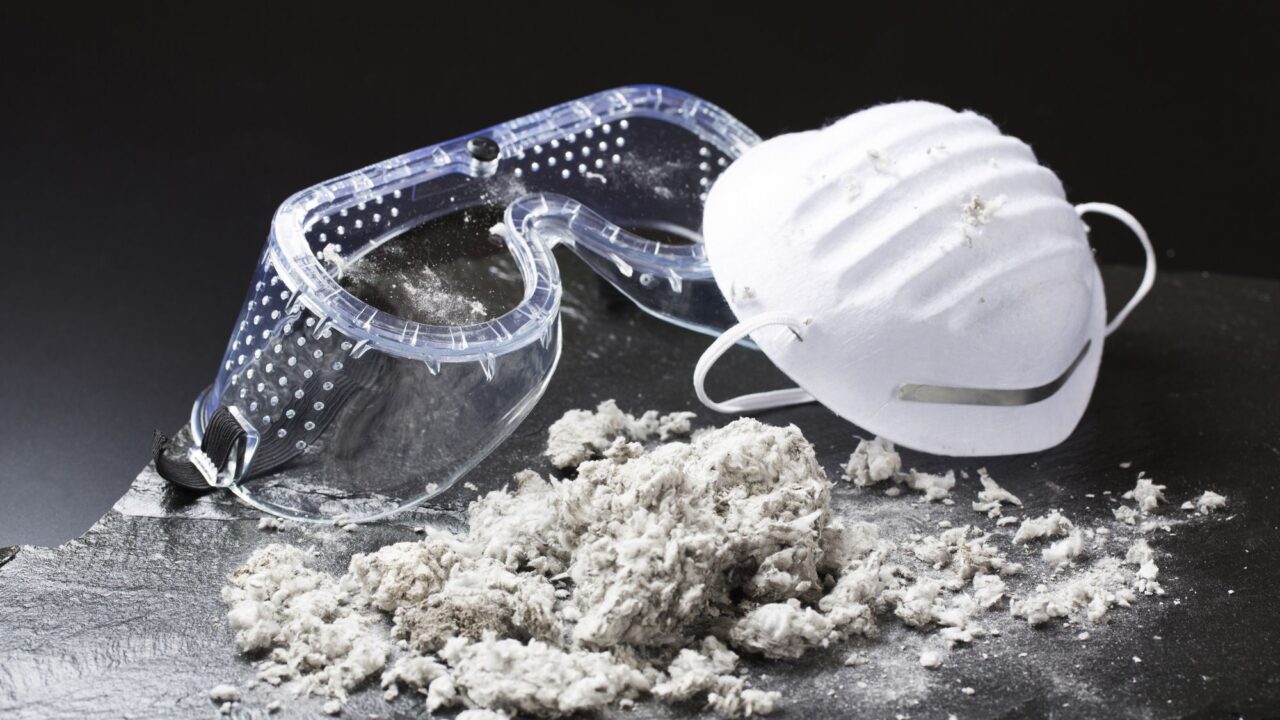
Owners and contractors should be aware that a licensed asbestos inspector must conduct a National Emissions Standard Hazardous Air Pollutant inspection before demolition or renovation of a building.
COVID-19 Construction: Temporary Solutions Protect Product and People
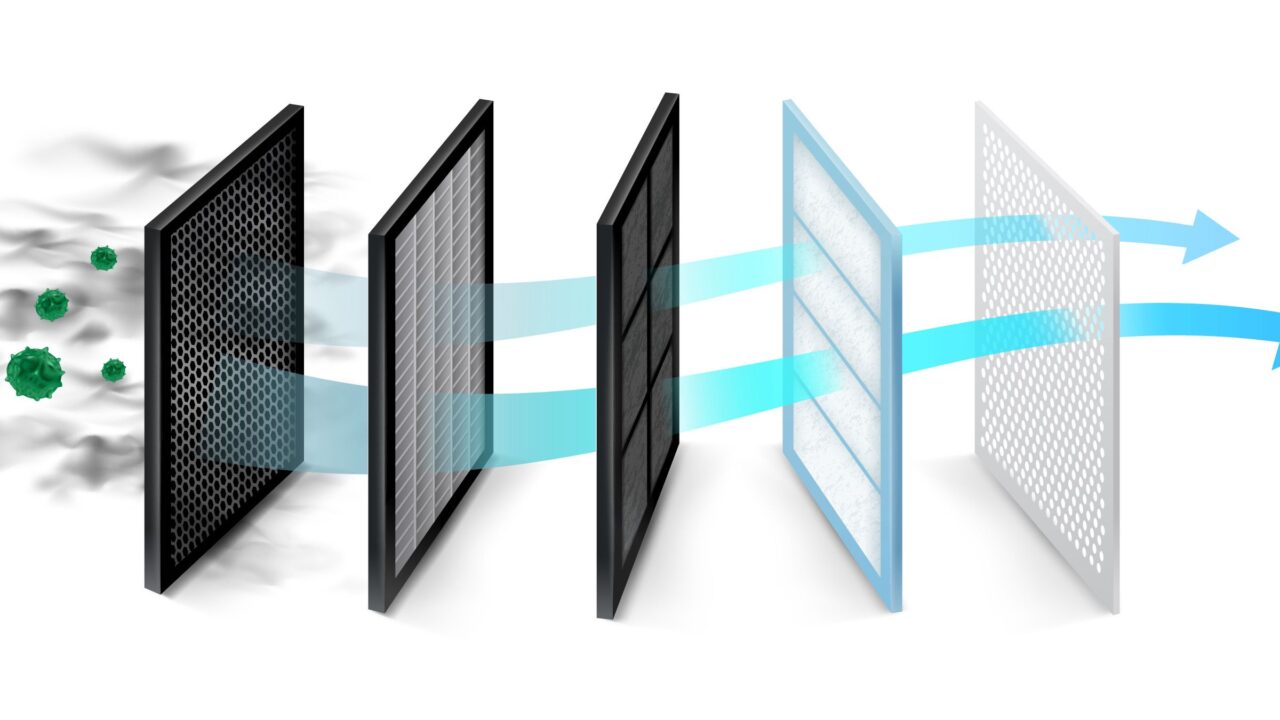
Contractors are moving quickly to develop standardized playbooks on how to install air quality safeguards for permanent structures in the wake of the pandemic.
Aligning Subcontractors’ Safety Culture With the General Contractor’s
How can general contractors ensure their subcontractors’ safety culture aligns with expectations? Due diligence and active leadership are critical to align safety cultures, ensuring a safe work experience for all.
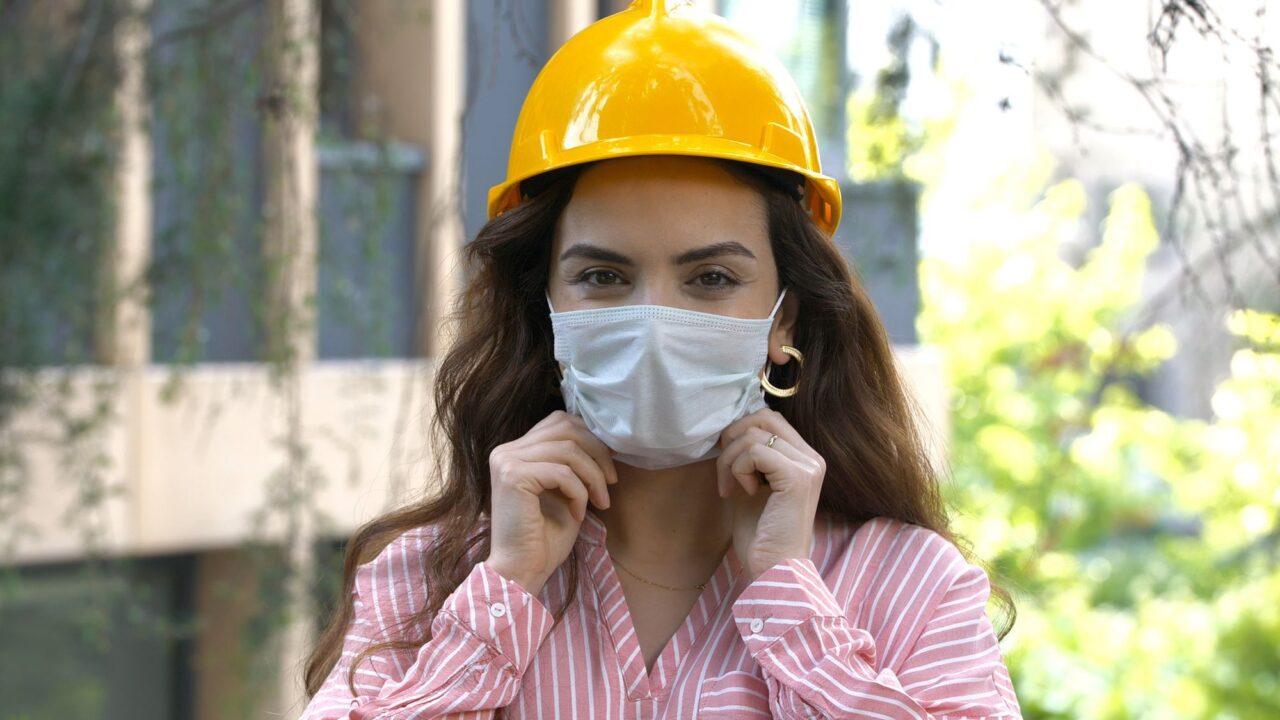
Safely Getting Back on the Jobsite
Staying current with OSHA and CDC guidelines is key to staying safe on the jobsite. Safety now encompasses PPEs, masks, hand sanitation station, disinfecting workspaces and social distancing.