Daily construction reports can help resolve a delay issue or clarify a jobsite access claim. They are admissible in court since the information was recorded when the events in question occurred.

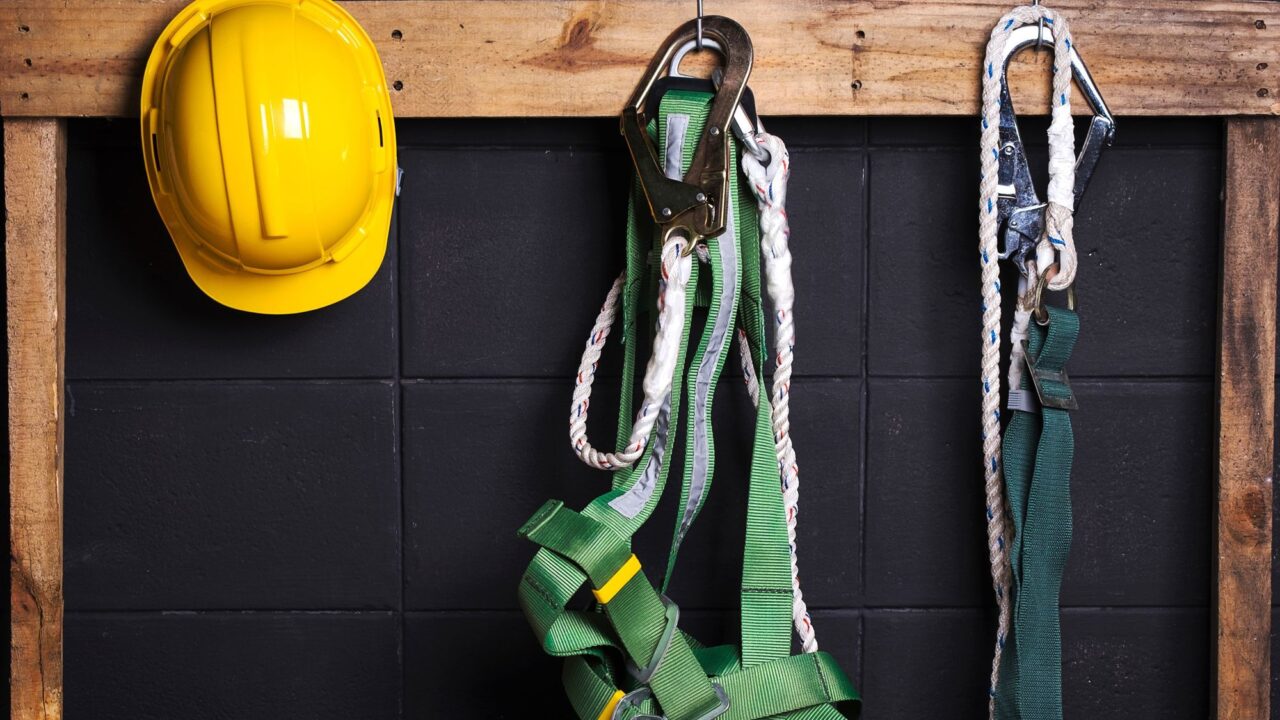
Calculating Shock: Absorbing Lanyard Fall Clearance for Construction Workers
OSHA requires fall protection at heights more than six feet from the next work level. Know how to calculate fall clearance so workers can safely focus on the task at hand.
OSHA’s COVID-19 Emergency Temporary Standard Is in Flux
OSHA’s COVID-19 Emergency Temporary Standard requires employers with 100 or more employees to develop, implement and enforce a mandatory vaccination policy—but legal challenges are in process.
OSHA COVID-19 Vaccination and Testing ETS Unveiled
The OSHA ETS applies to employers with 100 or more employees. Associated Builders and Contractors has released a statement.
Did New York Zero Tolerance Campaign Improve Jobsite Safety?
The “Zero Tolerance” campaign by the New York City’s Department of Buildings had worked to reduce building site injuries and fatalities. Evaluation of the program will be critical to preventing these events in future.
Securing Construction Sites: Common-Sense Solutions With Long-Term Impact
Quick and inexpensive ways to keep equipment and materials on site and projects on track.
Live Field Data for Safety Reduces Risk and Costs
The use of live field data can decrease unnecessary risks by empowering workers to report safety concerns, enabling management to share safety information in real time.
Don’t Be a Statistic: Learning From Pandemic-Related Mistakes and OSHA’s Most Cited Statistics
To remain OSHA compliant, contractors should re-evaluate their hazcom, respiratory protection and PPE programs after having implemented COVID-19 protocols over the past year and a half.