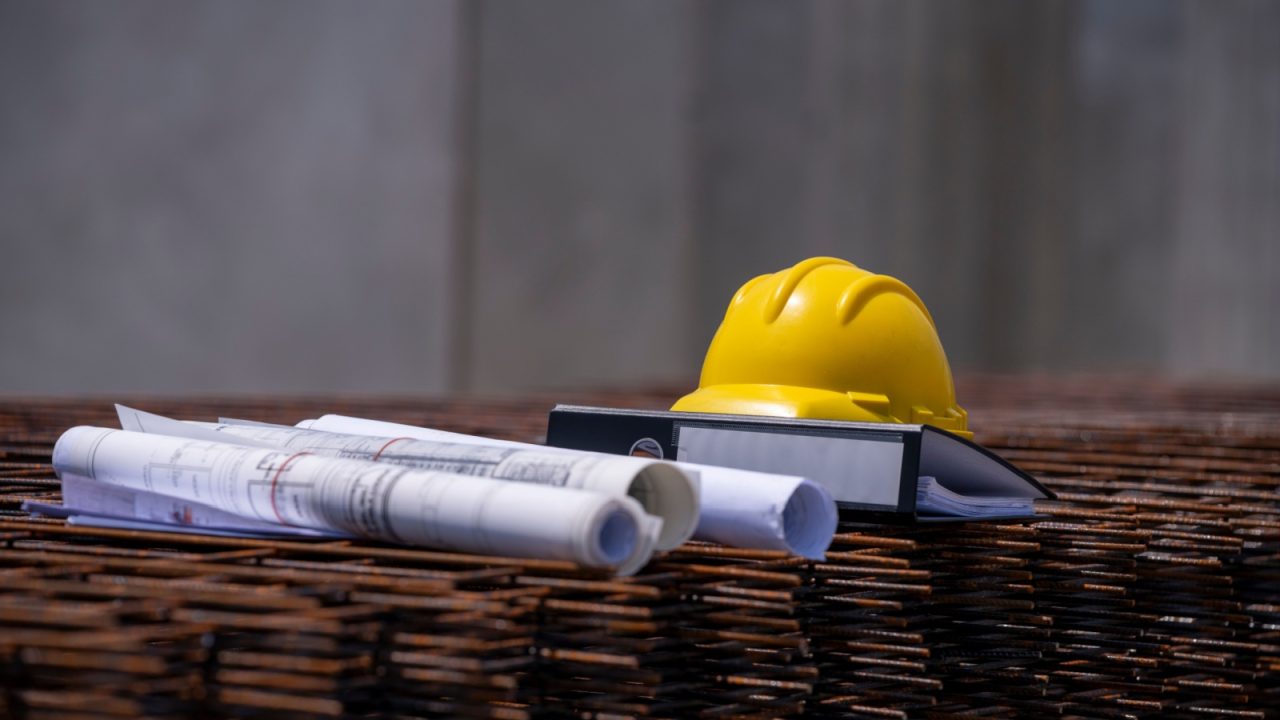
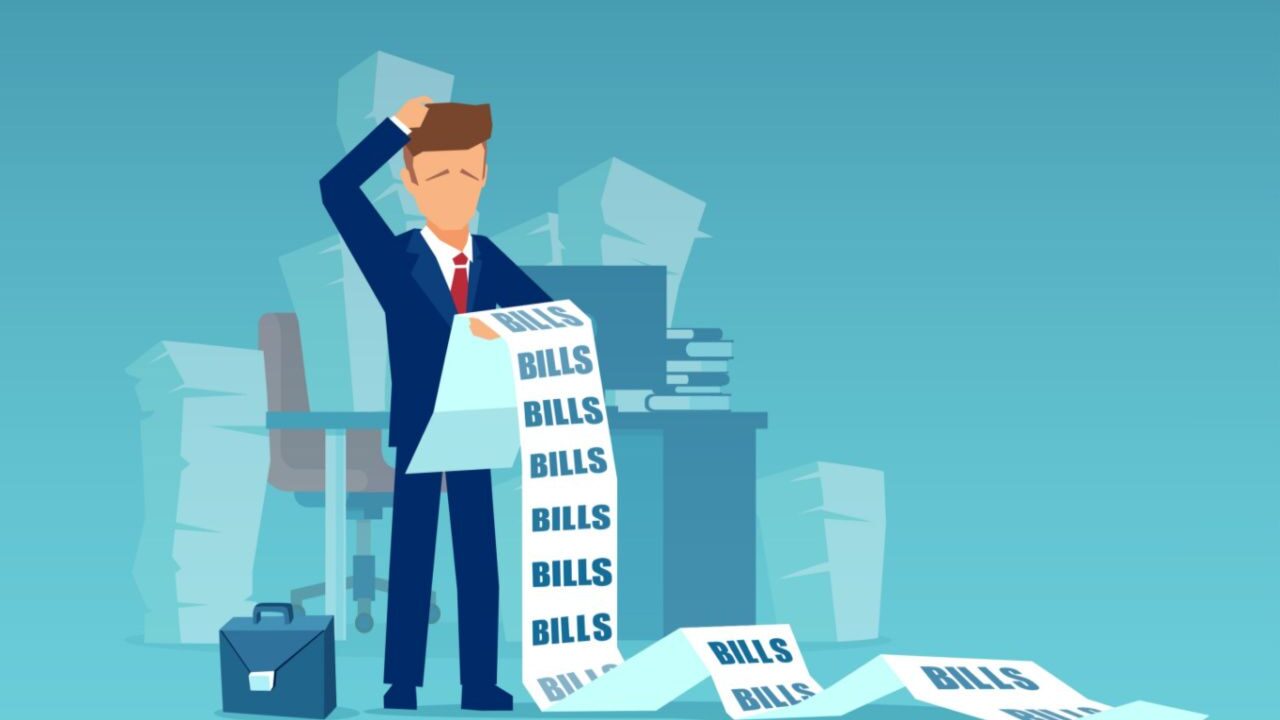
Assessing and managing subcontractor risk are among a GC's top challenges, but there are strategies to mitigate the risk. From surety bonding to extensive financial and performance reviews, general contractors have plenty of options how to address risks and hire qualified subs.
To keep up with legal and practice developments, the American Institute of Architects has put together a comprehensive set of revisions to its 2017 owner-contractor agreements.
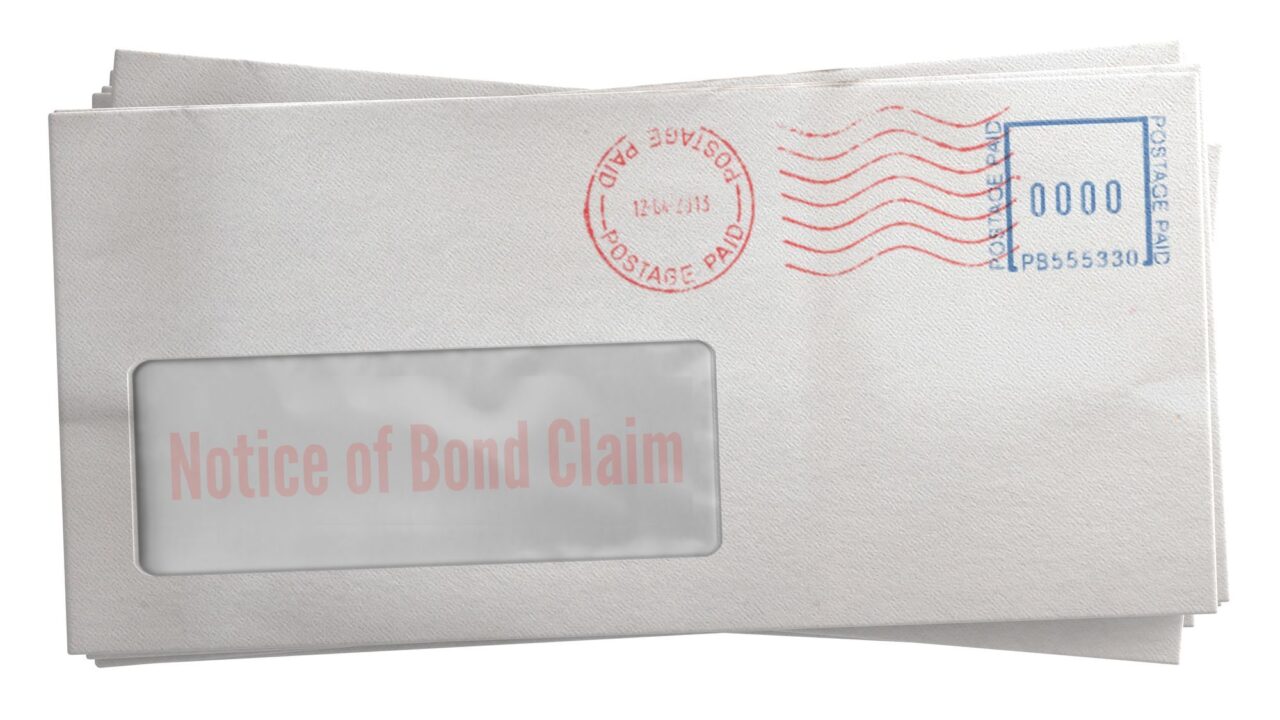
Most public projects are bonded, which offers payment protection to subcontractors and suppliers. Subcontractors and suppliers on unbonded private projects can file a lien on the property in the event of nonpayment.
Expedited dispute resolution bonds are a type of surety bond that provides protection to the obligee if the contractor defaults. An EDR bond combines the coverage options of a traditional performance bond with a streamlined claim investigation and adjudication process that helps address disputes quickly and keeps the project on track.
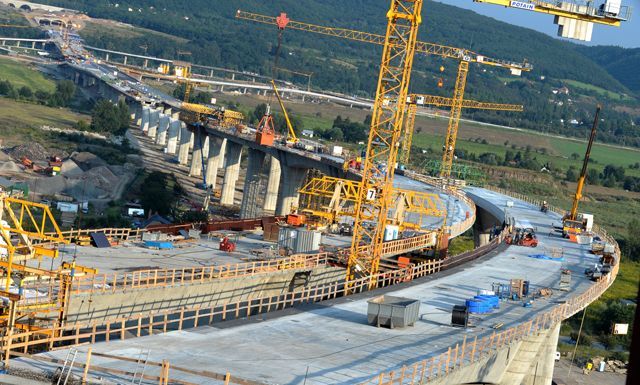
Winning a P3 infrastructure bid requires awareness of the financial and political environment from contract to completion. Risk allocation among multiple stakeholders remain key challenges on P3 projects. Contractors actively pursuing such opportunities should seek the assistance and insights of a professional surety team.
With more than 200 potential factors that can lead to contractor failure, and no single factor that signals potential failure, just why do contractors fail? It’s a combination of factors, including poor business practices, economic conditions, nature of the industry and mindset of the contractor that lead to financial loss that can spiral into bankruptcy.
Reasons for construction failure include poor leadership, management, performance, accounting and planning, which lead to loss of project control and discipline. Invest in systems that help plan and forecast finances, heed warning mechanisms, and have succession and continuity plans in place to help avoid failure.