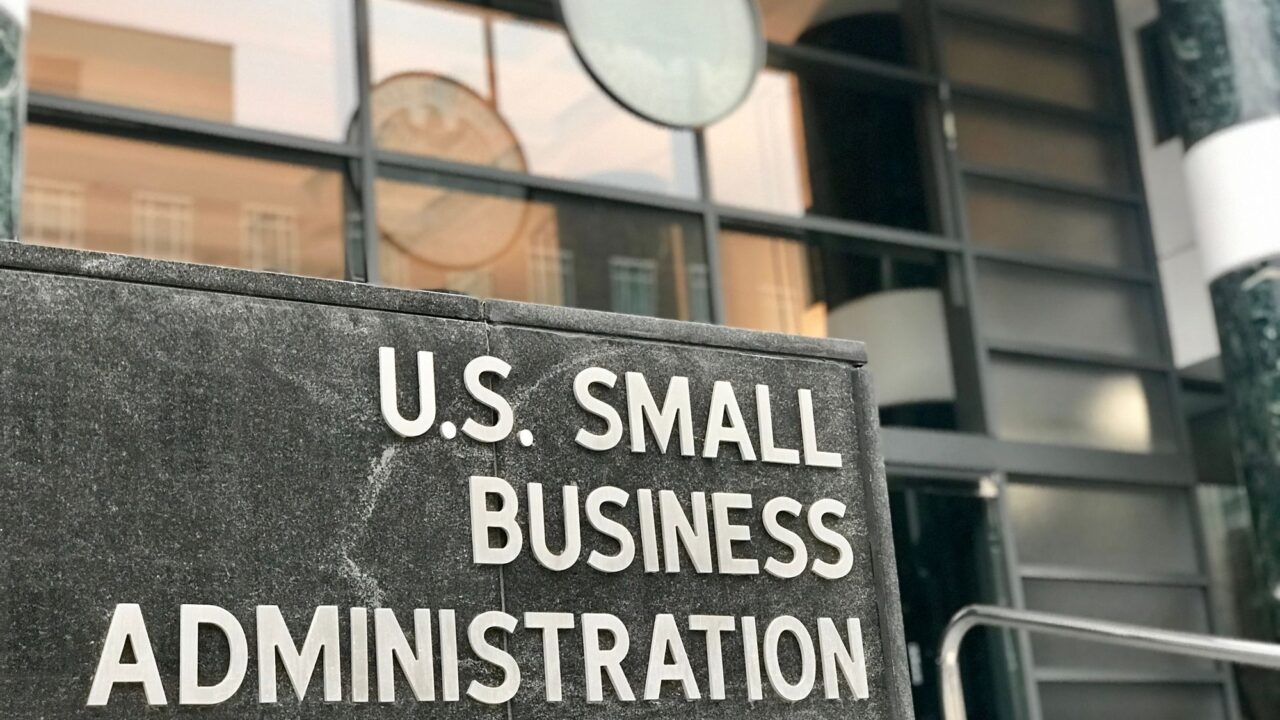
Surety Bonding
The SBA Surety Bond Guarantee program can help small and emerging contractors jumpstart their business and remain competitive in the public and municipal sectors.

Resources for Contractor License Requirements
Contractors must be licensed in most states. The first step in obtaining a contractor’s license is recognizing requirements that may include a background check, training or education requirements and ability to obtain a surety bond.
Avoid Payment Bond Claims With These Six Tips
Payment bond claims are one of the most common, costliest and potentially most disruptive actions that can be brought against a contractor.
Payment Bonds on a Private Construction Project
Payment bonds aren’t just for public projects. Private owners can mitigate risk and protect subcontractors and suppliers on the project.
Six Factors Sureties Look for Before Making a Bonding Decision
Sureties go beyond character, capacity and capital to assess a contractor’s past, current and future performance, diving deeper into the contractor’s business before issuing surety credit.
Financial Statement Basics: What a Contractor Needs to Know for Surety Bonding
When evaluating a contractor for surety credit, sureties look for the three Cs: character, capacity and capital, to form an opinion on a contractor’s past, current and future performance.
Construction Bonds Explained
Surety bonds guarantee that contractors will perform a project in compliance with contractual conditions and legal requirements—protecting project owners, subcontractors and the public.
What Insurance Coverages Do General Contractors Need?
A general contractor’s insurance needs can be complicated. A knowledgeable agent can help demystify the options, explain what to require from subcontractors and how to minimize risk.