Risk Management
A narrowing of risk transfer that can be achieved through standard form additional insured endorsements and recent court court decisions limiting the reach of additional insured coverage have had an impact on P3 projects where the projects are expensive, the risks are significant and the parties have great need for risk transfer.

Job Planning and Risk Assessment for Construction Electrical Safety: Prepare Now for Changes to the NFPA 70E 2018 Standard
With the pending release of NFPA’s 2018 updates to its 70E: Standard for Electrical Safety in the Workplace®, construction leaders and electrical contractors can prepare for these changes now by training employees to perform job safety planning, recognize hazards and apply control methods to mitigate risk.
No Industry Is Safe From the Threat of Cyber Fraud – Especially Construction
The construction industry has a large bulls-eye on its back when it comes to risk of cyber fraud. Just keeping up with new anti-virus software isn’t enough. Consistent training of employees and vendors on staying password protected and being suspicious of any email will make it harder for the hackers to break through the company system.
Are Certificates Listing a Construction Company as an Additional Insured Worth the Paper They’re Written on?
Owners and contractors shift risk by requiring contractors and subcontractors to name them as additional insureds (AI) on commercial general liability (CGL) policies. Savvy contractors know the best ways to effectively obtain and use AI coverage to shift risk, saving significant amounts in the event of litigation.
Pursuing Business With ‘Risky’ Accounts
Companies that are reluctant to extend credit due to a limited appetite for risk are likely evaluating the problem without considering the factors in their favor. The protections against nonpayment available to parties in the construction industry make the decision to pursue business with traditionally “risky” parties much easier.
Contracting for Preventative Risk Management
By including proactive safety and risk mitigation stipulations and incorporating the expectation that the contractor will exceed minimum federal safety laws, contractors can minimize the risk of stop work orders, post-accident inspections, delays, negative press, property damage and other liabilities.
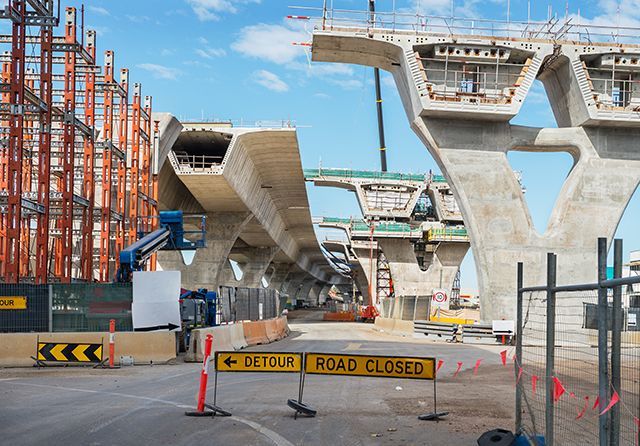
Infrastructure Boom Will Mean Opportunities and Risks for Construction Firms
The possibility of Congress approving $1 trillion over the next 10 years to upgrade the nation’s infrastructure brings opportunities and challenges. As contractors expand business activities, the challenge will be in finding qualified workers and preparing for risks associated with continuity of project financing, political shifts, weather, catastrophic events and other factors.
Employee Lawsuits Can Paint a Target on a Construction Company’s Back
A lawsuit by an employee against a company can cost time, money and productivity. Make sure supervisors follow company policies and HR and legal teams provide proper protection and training for management. More importantly, let employees know they are appreciated for their efforts.