Risk Management
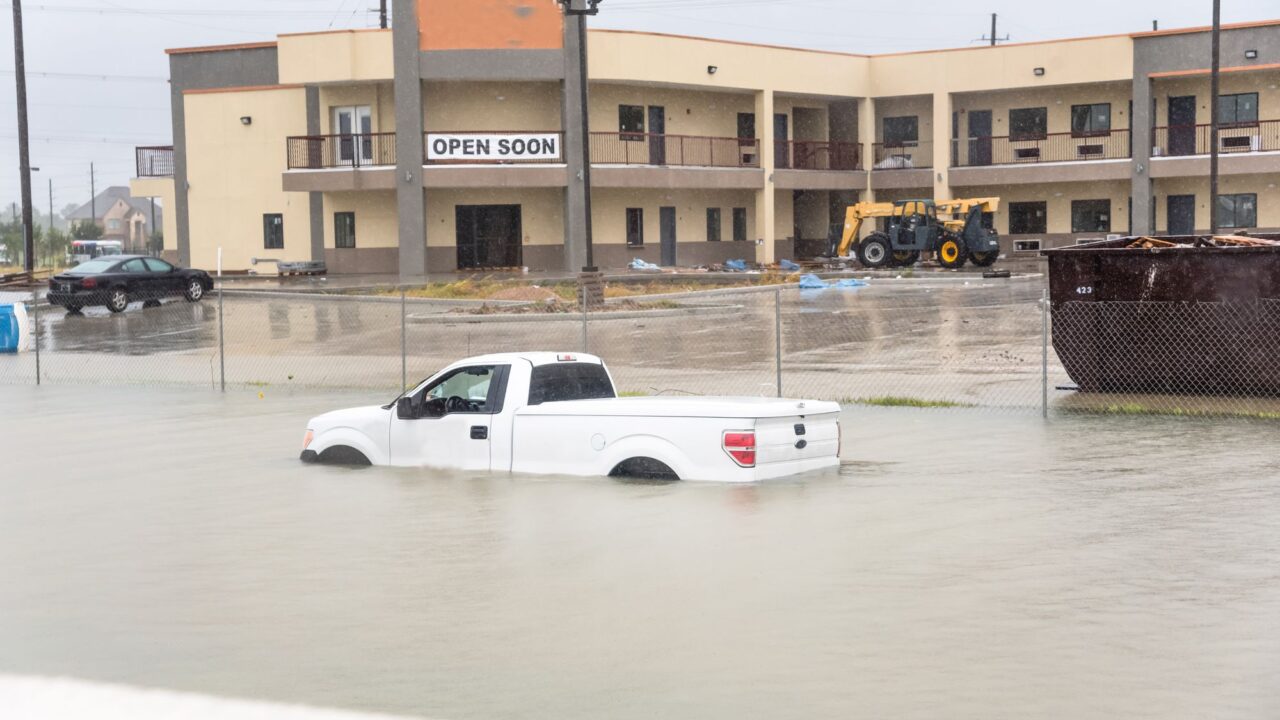
Beyond physical damage to equipment, materials and structures on a worksite, severe weather can create a safety concern for employees. Developing long-term plans to prepare for severe weather can help to address these risks.
Owner-Controlled Insurance Programs: A Primer
OCIPs can lower project costs and can be a profit center for the developer or general contractor. However, everyone, including subcontractors, must understand coverage and obligations under the contract.
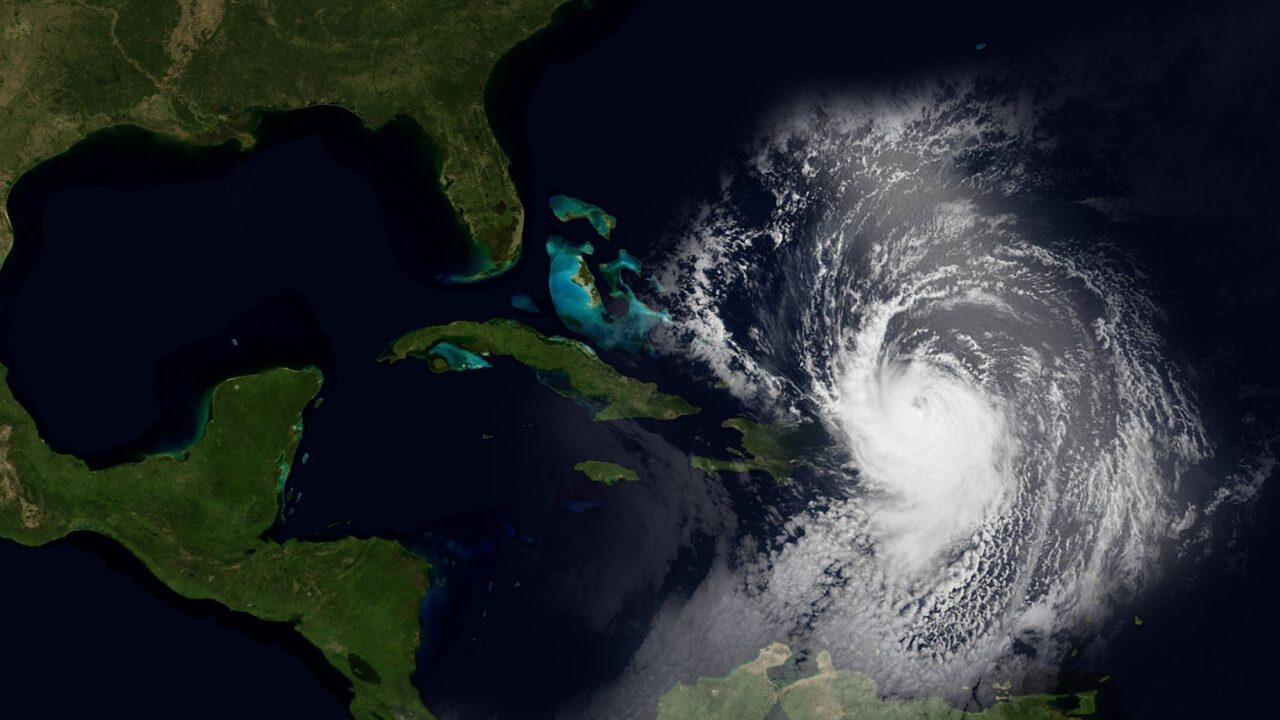
Top 10 Hurricane Preparedness Practices for Construction Sites
As the 2018 hurricane season takes shape, it’s imperative to begin construction site planning efforts early and to be as prepared as possible prior to any storm.
Battling the Latest Wave of Construction Litigation Trends
Liability claims are trending upward with the dearth of experienced construction workers and blurred lines of responsibility between design and contracting, resulting in an environment that mandates a disciplined approach to the design team relationship.
Seven Ways Drones Can Minimize Risk-Taking on the Jobsite
Contractors can find distinct advantages to being early adopters of drones in the construction sector, especially on the safety front.
Risk Management Checklist: Pros, Cons and How to Make One That Works
A risk management checklist helps to ensure that the appropriate conditions are present or that they’re “inspected.” The checklist is often only as good as the inspector utilizing it and must be accompanied by instructions.
Professional Liability Insurance Trends, Challenges and Predictions
A 2018 Market Update report cites a stable but competitive commercial insurance marketplace with new entries joining many established carriers vying for increased market share.
The Power of Project Monitoring in Preventing and Mitigating Risk
Construction projects are made up of several sources of capital that turn concepts into reality. These funding sources may dictate terms and monitor project progress, which can effectively mitigate risks.