Revisions to the AIA A201 could lead to significant cost increases and shift liability among parties. Part I looks at general conditions and revisions that affect owner’s and contractor’s required insurances.
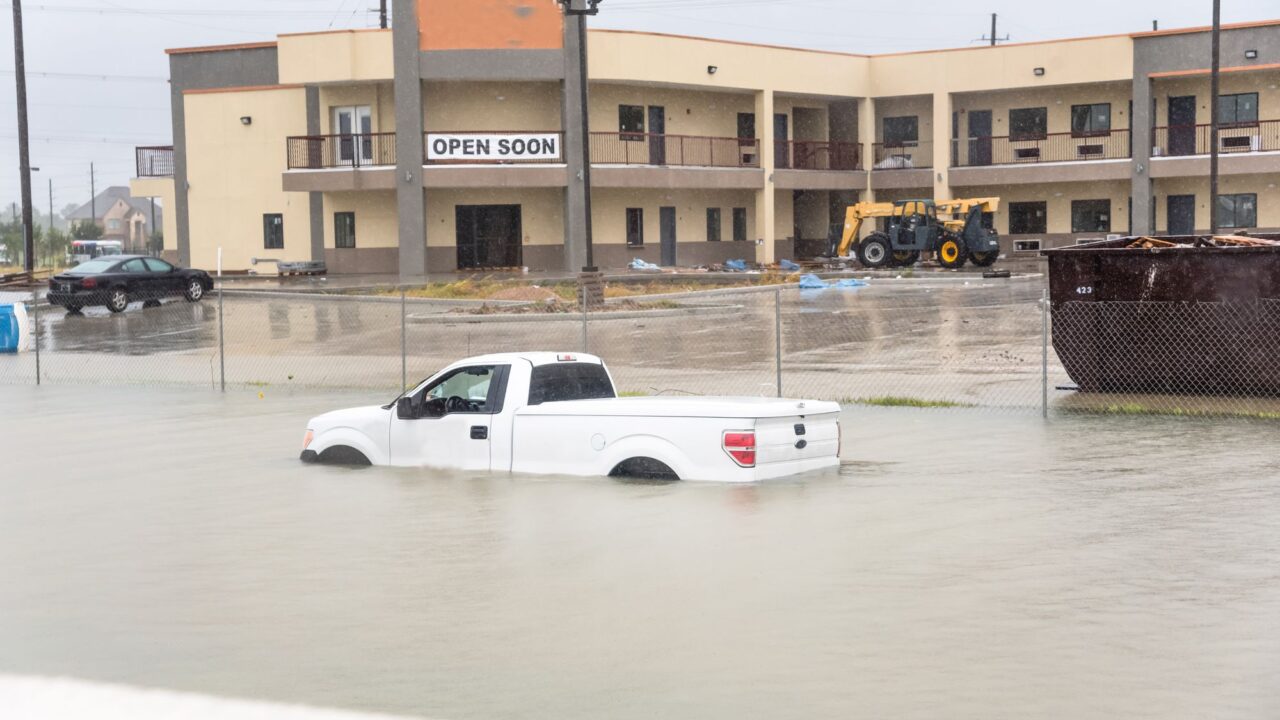
Weather-Related Safety Preparedness, Risks and Recovery
Beyond physical damage to equipment, materials and structures on a worksite, severe weather can create a safety concern for employees. Developing long-term plans to prepare for severe weather can help to address these risks.
Perspectives on Dealing With Indemnity Clauses
Indemnification provisions, the use of additional insured provisions, and the various duties to defend and indemnify must be carefully considered when entering into contracts with other parties.
Owner-Controlled Insurance Programs: A Primer
OCIPs can lower project costs and can be a profit center for the developer or general contractor. However, everyone, including subcontractors, must understand coverage and obligations under the contract.
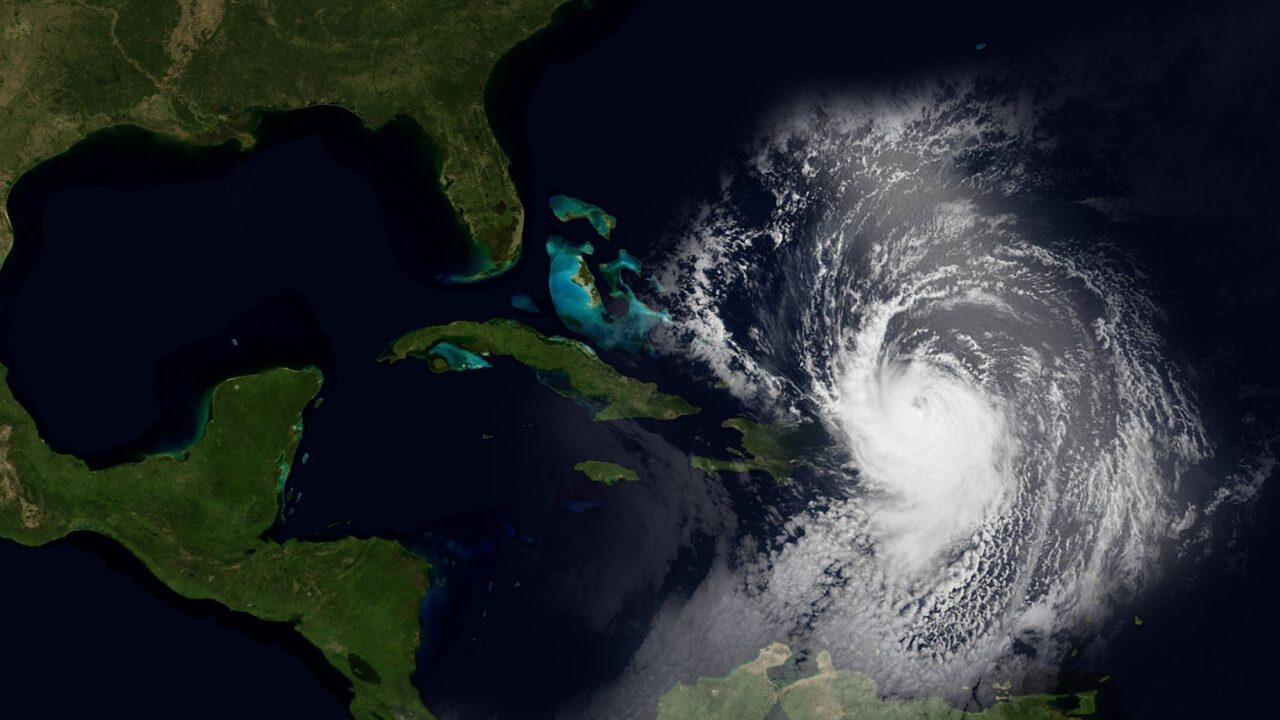
Top 10 Hurricane Preparedness Practices for Construction Sites
As the 2018 hurricane season takes shape, it’s imperative to begin construction site planning efforts early and to be as prepared as possible prior to any storm.
Battling the Latest Wave of Construction Litigation Trends
Liability claims are trending upward with the dearth of experienced construction workers and blurred lines of responsibility between design and contracting, resulting in an environment that mandates a disciplined approach to the design team relationship.
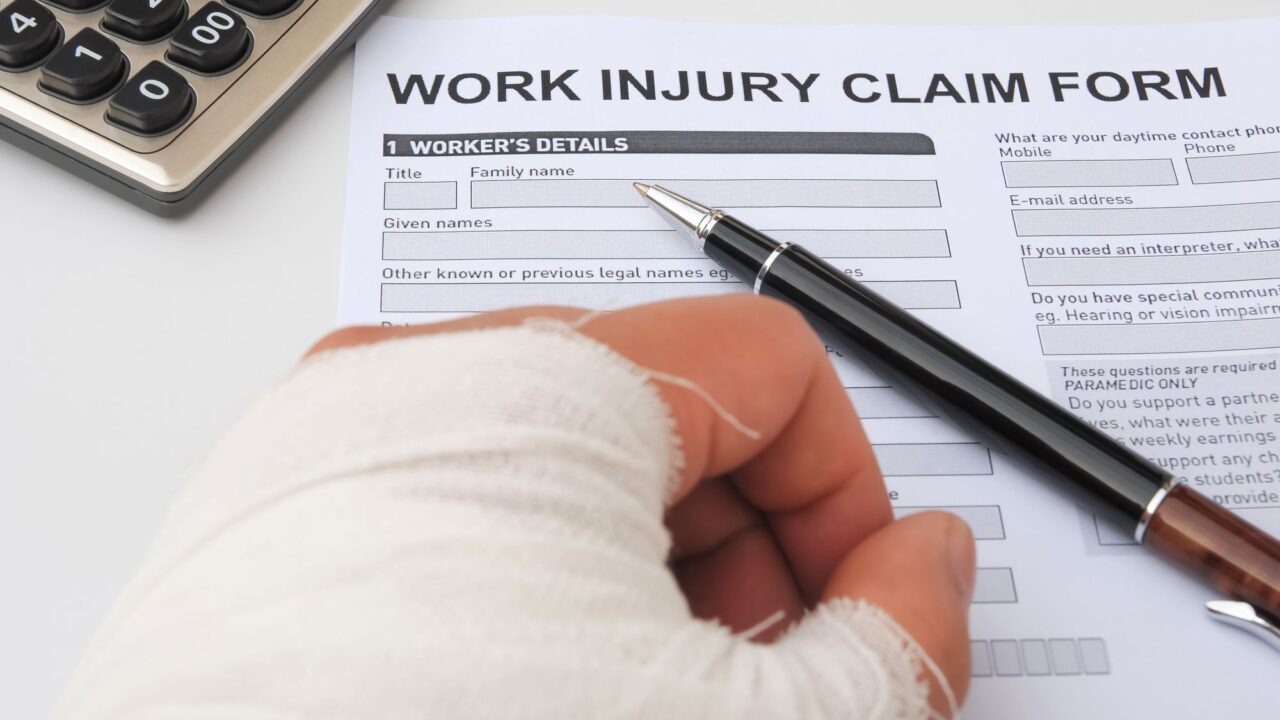
The True Cost of a Workers’ Compensation Claim and How to Lessen It
While 100 percent prevention of workplace injuries might be impossible, a company can mitigate the risk and frequency of incidents and ensure it is prepared to handle a crisis situation quickly.
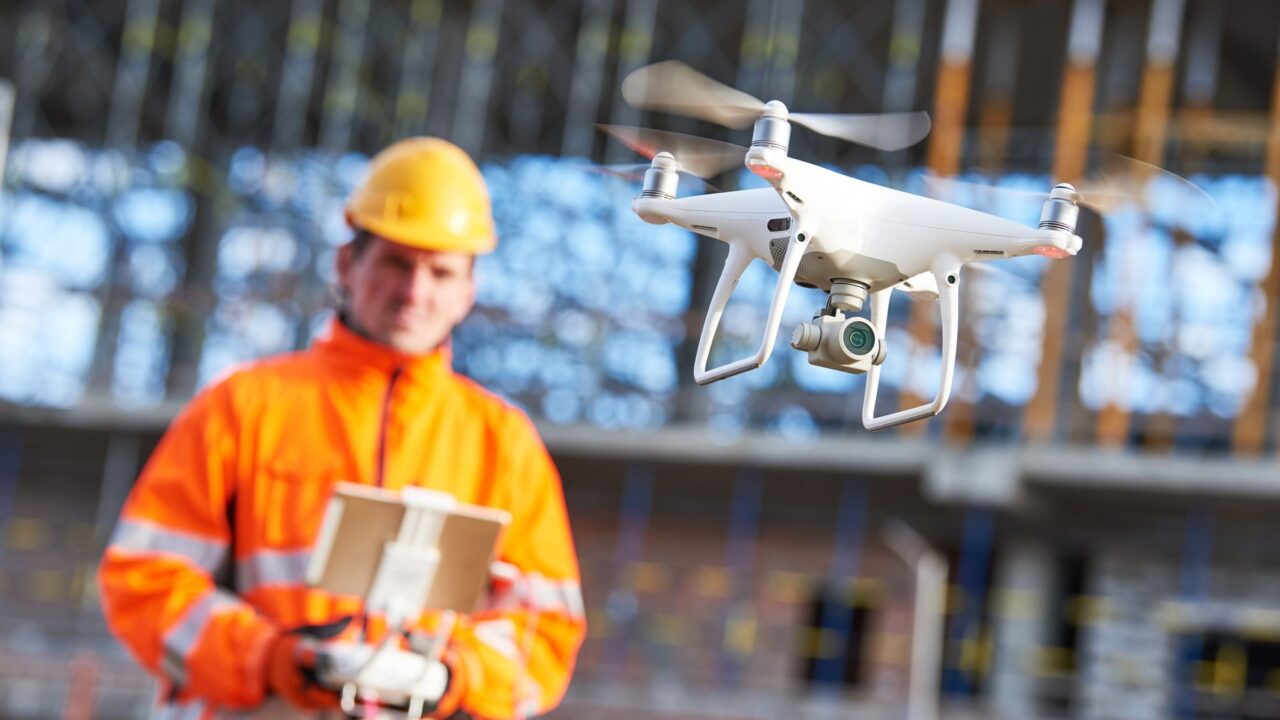
Seven Ways Drones Can Minimize Risk-Taking on the Jobsite
Contractors can find distinct advantages to being early adopters of drones in the construction sector, especially on the safety front.