Statistics regarding substance abuse within the construction industry are startling - and they translate to real-world costs in terms of lost time, personnel costs to rehire and healthcare and workers’ comp premiums.

Hold Harmless and Indemnity Provisions: What Did I Agree to Do?
Indemnity provisions usually include a requirement to hold harmless and defend another party. Generally, the upstream party tries to shift risk to a downstream party. Just because indemnity is legal doesn’t mean it’s fair.
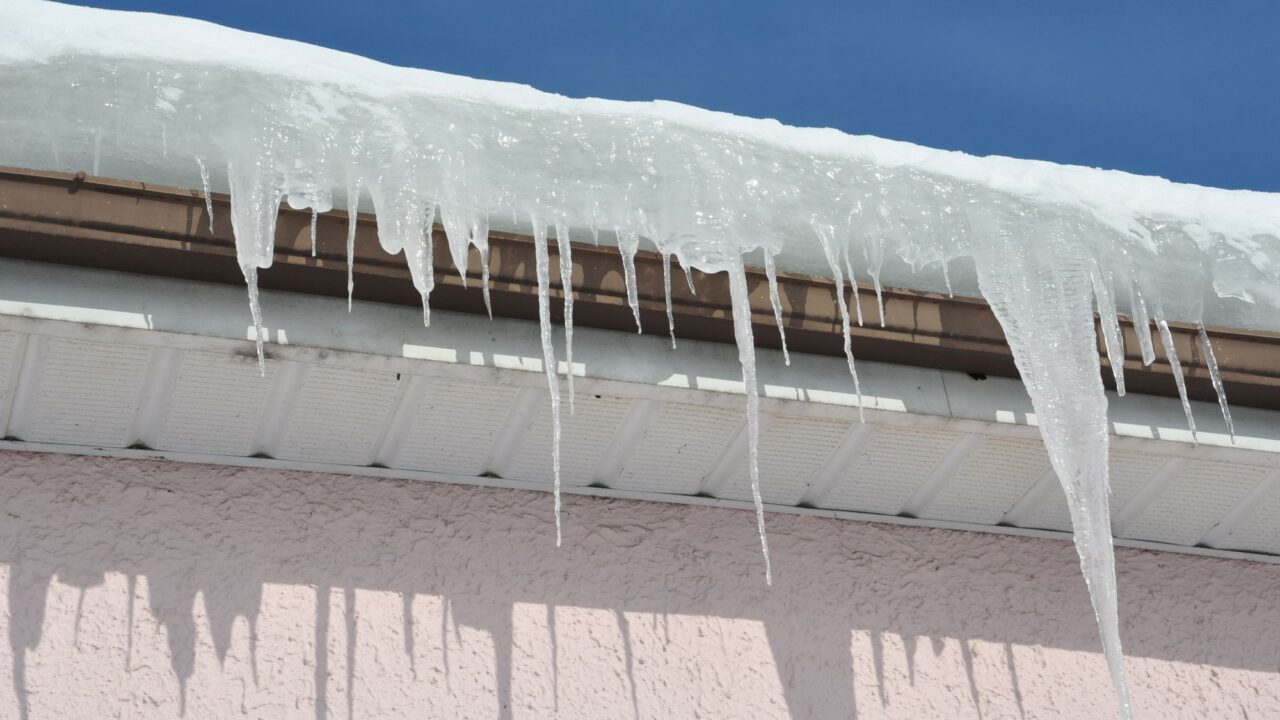
Case Study: Chasing the Wrong Cause of Frost and Ice Damage in a Medical Facility
The general contractor of a 50-bed Midwest medical facility was facing a million dollar repair cost and a potential lawsuit due to winter frost and ice buildup in above-ceiling spaces, soffits and clerestories. The contractor found an innovative solution and avoided replacing the costly air barrier.
Five Ways to Build a Culture of Height Safety
Falls are OSHA’s most frequently cited violation, but there are ways to prevent falls and create a culture of height safety.
How Performance Bonds Work in Construction
A performance bond guarantees a contractor's performance under a contract. Here’s an overview of why they are required and how they work.
2019 Executive Insights: Insurance and Bonding
Industry experts share their insights on best practices for insurance and bonding.
Don’t Ignore Auto Insurance, Excess Liability and Cybersecurity Risks
Now that businesses are settled into the new year, it’s a good time to consider some of the top insurance and risk management challenges that contractors and other construction organizations should expect in 2019.
Joint Ventures: Costly If Not Cautious
Companies may wish to share the risk on a project, secure additional bonding capacity or enter a new market segment with a more experienced contractor, as well as offer additional resources, including working capital and other trades needed for a project. However, many risks need to be addressed prior to officially forming a joint venture.