Statistics regarding substance abuse within the construction industry are startling - and they translate to real-world costs in terms of lost time, personnel costs to rehire and healthcare and workers’ comp premiums.

Hold Harmless and Indemnity Provisions: What Did I Agree to Do?
Indemnity provisions usually include a requirement to hold harmless and defend another party. Generally, the upstream party tries to shift risk to a downstream party. Just because indemnity is legal doesn’t mean it’s fair.
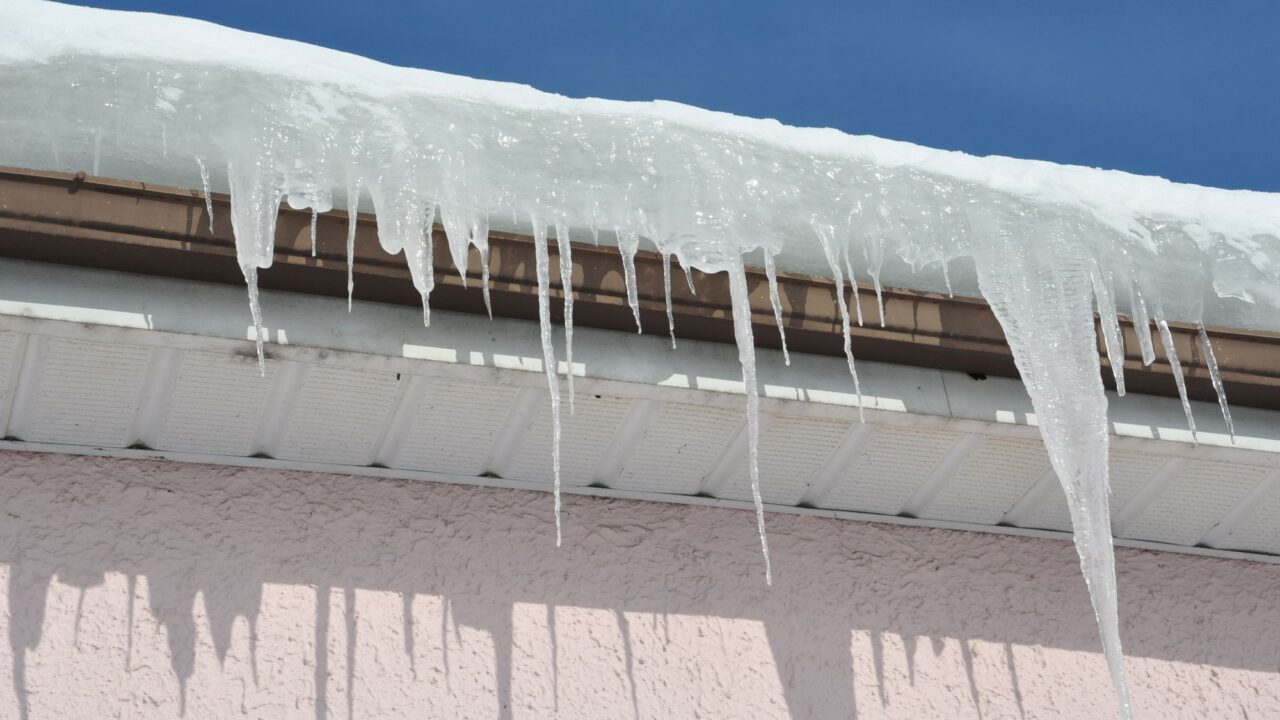
Case Study: Chasing the Wrong Cause of Frost and Ice Damage in a Medical Facility
The general contractor of a 50-bed Midwest medical facility was facing a million dollar repair cost and a potential lawsuit due to winter frost and ice buildup in above-ceiling spaces, soffits and clerestories. The contractor found an innovative solution and avoided replacing the costly air barrier.
Five Ways to Build a Culture of Height Safety
Falls are OSHA’s most frequently cited violation, but there are ways to prevent falls and create a culture of height safety.
How Performance Bonds Work in Construction
A performance bond guarantees a contractor's performance under a contract. Here’s an overview of why they are required and how they work.
2019 Executive Insights: Insurance and Bonding
Industry experts share their insights on best practices for insurance and bonding.
England’s Carillion Collapse Forces a New Global Surety Standard
In many countries, only 5-10% of contract value is covered in event of loss or default. In the U.S., surety bonds prevent disaster from happening in the first place but if a loss occurs, cover 100% of contract value.
Don’t Ignore Auto Insurance, Excess Liability and Cybersecurity Risks
Now that businesses are settled into the new year, it’s a good time to consider some of the top insurance and risk management challenges that contractors and other construction organizations should expect in 2019.