When emergency repairs are required, an assignment of benefits lets contractors perform work and file a claim directly with the insurance company. Some states have implemented new regulations for AOBs.
Unlike Books, It’s Okay to Judge a Subcontractor by Its Cover(age)
Creating and implementing a subcontractor prequalification program is not only prudent, but may be required by the GC’s CGL policy as a precondition to coverage.
Demystifying the Contract Surety Bond Process
Here is what contractors need to know about obtaining and expediting contract surety bonds and working with the right partner.
How Contractors Benefit From the Surety Bond Guarantee Program
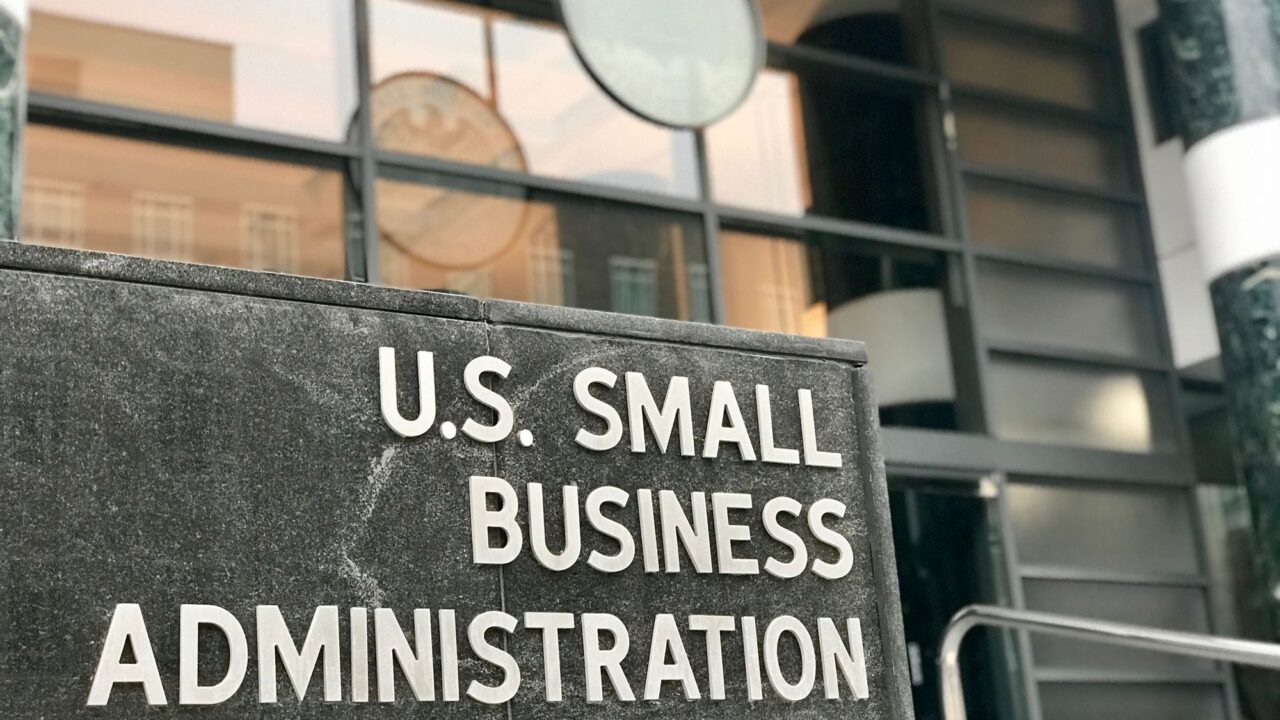
The SBA Surety Bond Guarantee program can help small and emerging contractors jumpstart their business and remain competitive in the public and municipal sectors.
Resources for Contractor License Requirements
Contractors must be licensed in most states. The first step in obtaining a contractor’s license is recognizing requirements that may include a background check, training or education requirements and ability to obtain a surety bond.
Three Tools for Proactive Risk Management: Contracts, Fluent Dialogue and Change Management
Risk management is much more than insurance. A prudent construction executive will utilize the following three strategies for proactively managing risk and protecting the company’s right to payment.
Managing Design-Build Risks From Design Through Construction
Design-build projects come with additional risks. Adherence to the contract and documentation guidelines can minimize risk and increase the success and profitability of the project.
Avoid Payment Bond Claims With These Six Tips
Payment bond claims are one of the most common, costliest and potentially most disruptive actions that can be brought against a contractor.