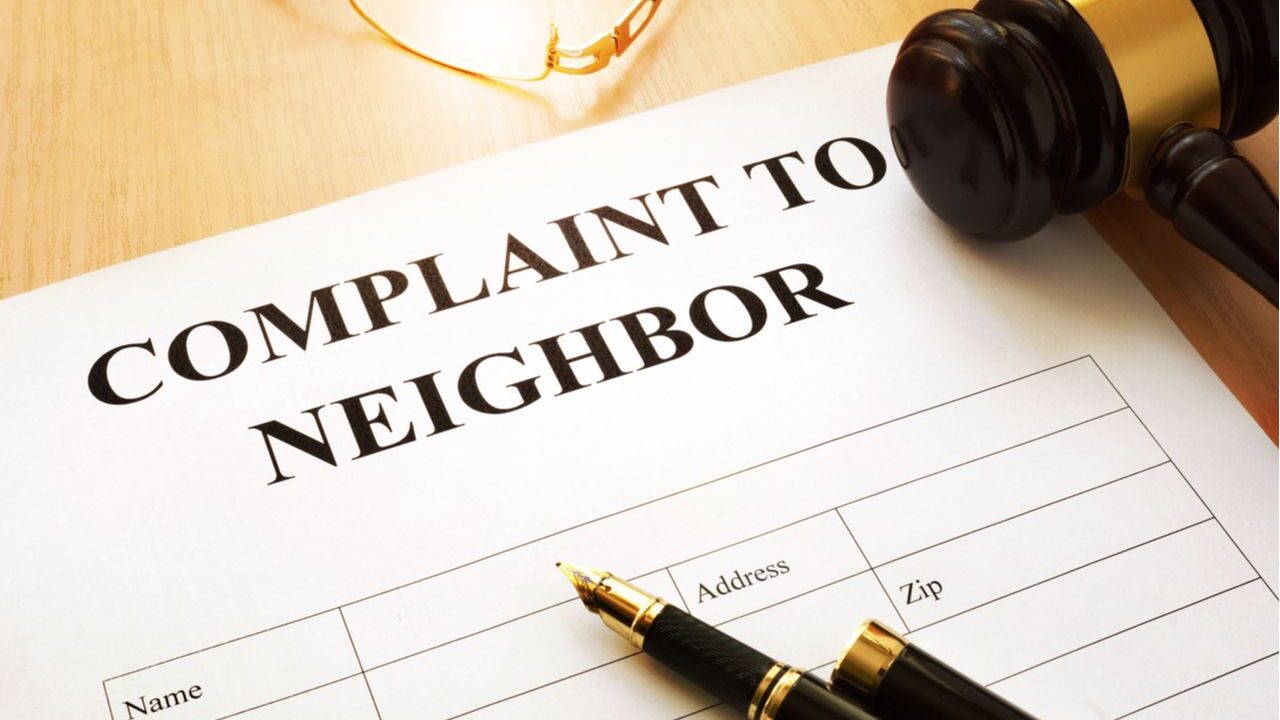
Construction in close quarters can mark the beginning of costly and emotional disputes, which can escalate to costly legal battles during and after construction. Here's how contractors can avoid a lawsuit.

Short and Long-Term Risk Management: COVID-19 and the Construction Pipeline
The pandemic has demonstrated the importance of a risk management plan to prepare for the unexpected. Now contractors should prepare to build their future workforce to manage an increase in work.
Insurance Needs for General Contractors and Subcontractors
General contractors and subcontractors need the right insurance to limit liability and control insurance costs. Here’s a primer on who needs what type of insurance.
The Visitor Playbook for Contractors
Keeping workers and visitors safe on the jobsite is a challenge during the pandemic. Following OSHA regulations will help contractors provide a safety and healthy workplace.
Obtaining Surety Bonding in a Post-Pandemic World
How has the pandemic affected surety bond underwriting? Contractors must show the underwriter how it will navigate COVID-19’s limitations and restrictions to complete the contract.
Creating Efficiency in Capital Projects With the Power of Smart Contracts
Smart contracts, backed by blockchain technology, can improve capital project payment terms, cash flow and trust along with eliminating contract leakage and freeing up working capital.
Navigating Risks and Safety Issues During the Pandemic
Contractors that plan, communicate, test and adjust strategies as needed, while focusing on health and hygiene, will be well positioned to navigate the challenges of COVID-19.
Potential Construction Liabilities Contractors Need to Know
From financial imbalance to trouble retaining cash flow, circumstances are unfavorable for contractors that rely on banks for surety credits. To prevent loss of liquidity, contractors should use software and other technology to keep their accounting data in place and avoid risks with project deliveries.