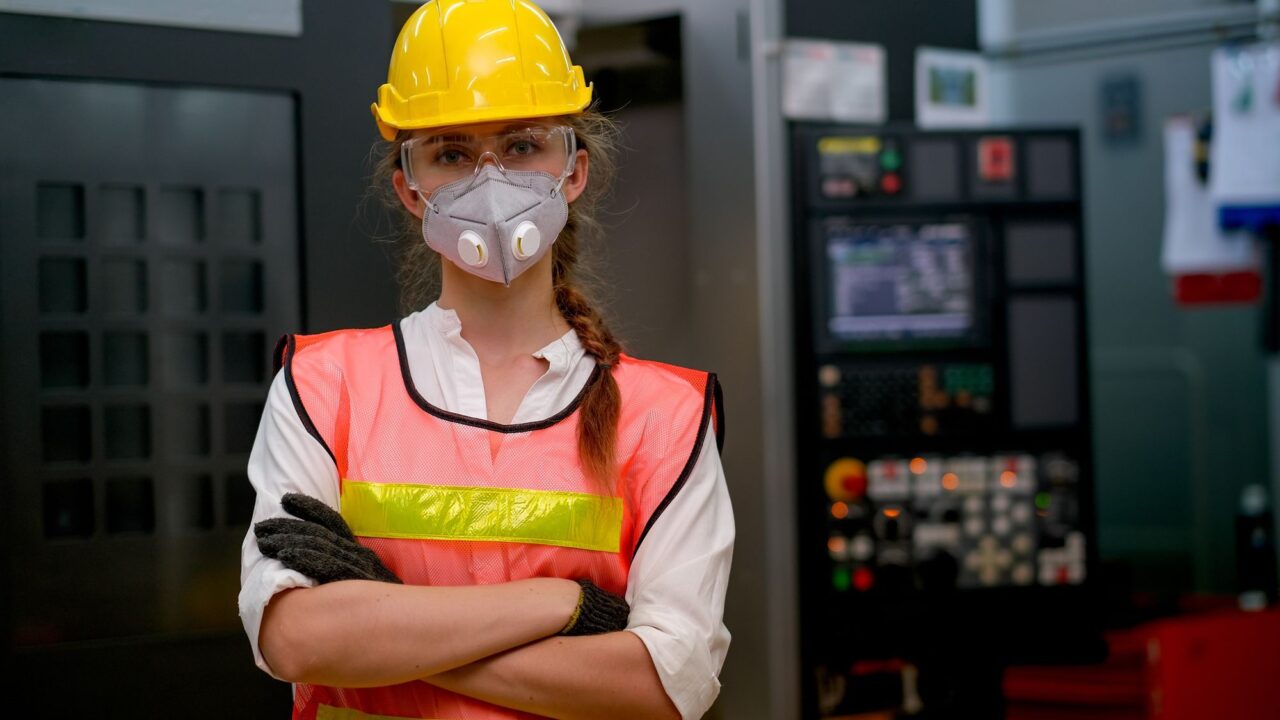
The CDC has modified its guidance for “critical infrastructure” employers on whether they can permit asymptomatic workers to continue to work after exposure to an individual with a suspected or confirmed case of COVID-19.

Using Technology to Help Solve the Mental-Health Crisis in Construction
Mental health is a lingering symptom of the COVID-19 pandemic. Given the shortage of counselors and the spike in demand, it is time to embrace technology to fill the gaps and add value.
Managing Risks of COVID-19 While Working in Occupied Facilities
As flu season approaches and COVID-19 continues to be a threat, contractors must establish and implement a job hazard assessment plan to identify risks presented by COVID-19 and that mitigates those risks.
Be a Good Neighbor: How Contractors Can Protect Themselves From Third-Party Claims
Developers can protect themselves from claims for third-party damage through license agreements, intensive construction site monitoring and appropriate insurance products. These prevent costly and debilitating delays, and help maintain positive relationships with neighbors.
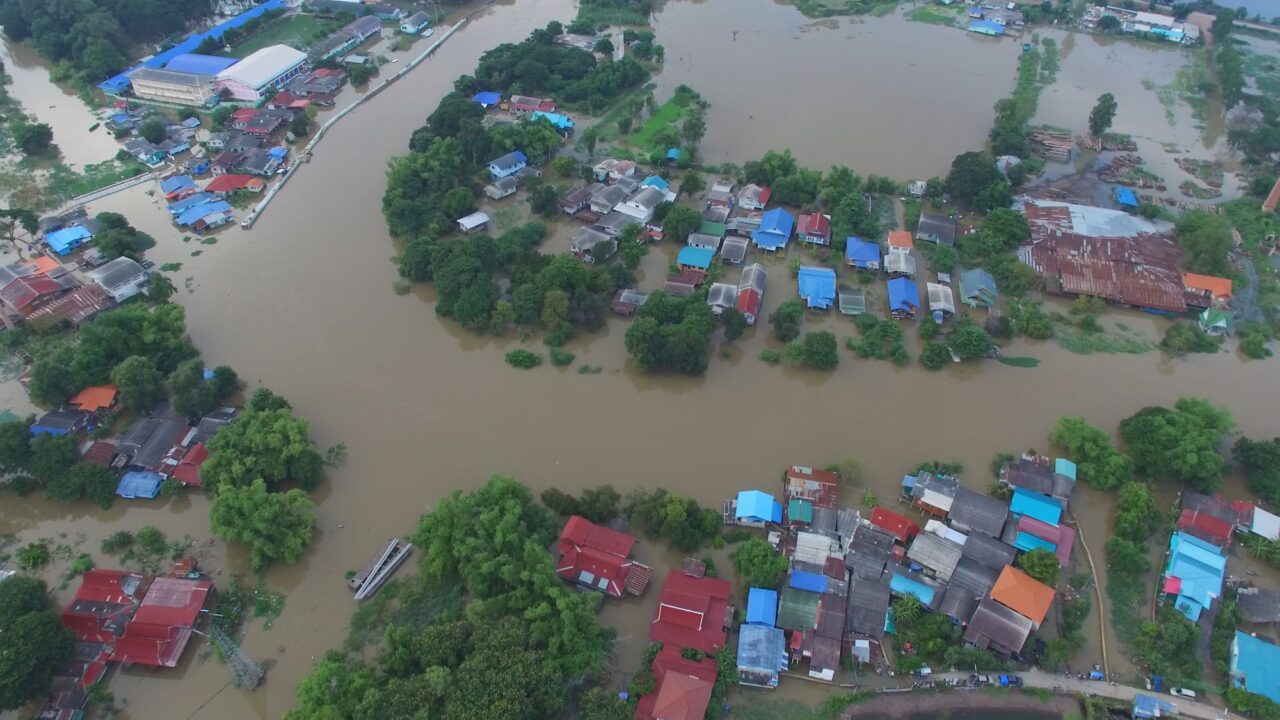
Natural Disasters’ Impact on Construction in the United States
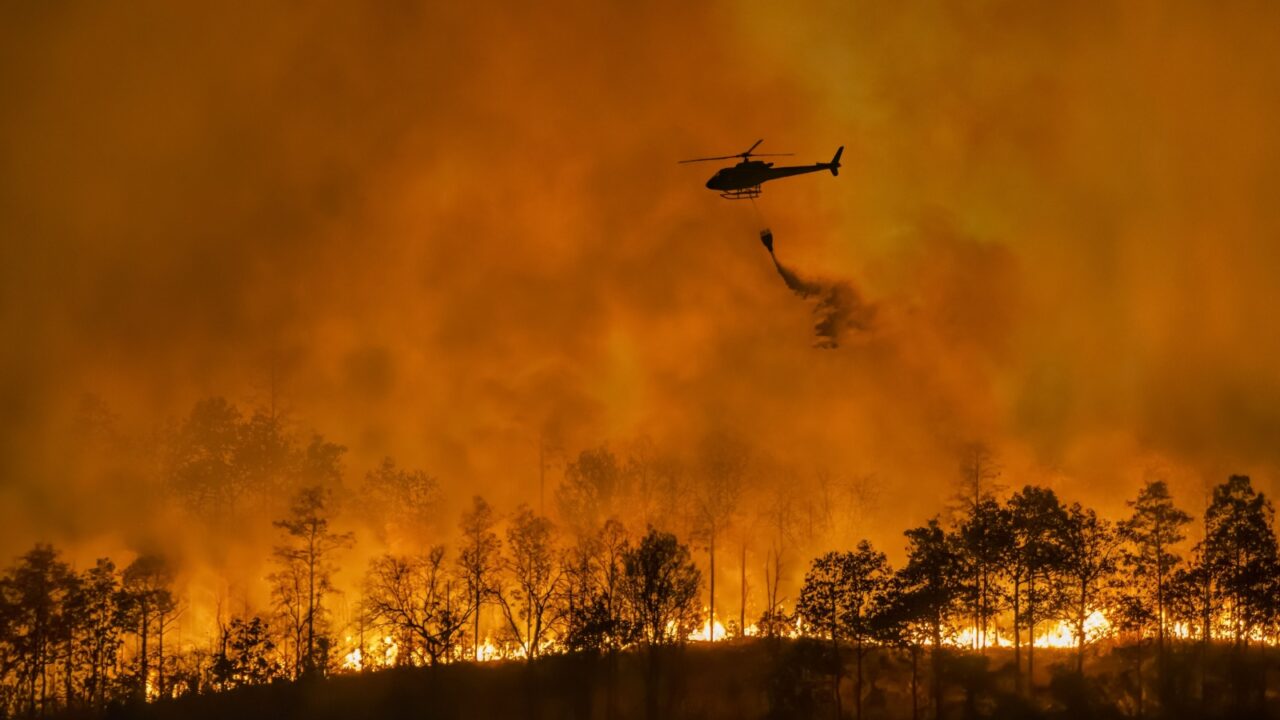
As the frequency and severity of natural disasters increases, contractors should implement guidelines that anticipate disasters, review the impact of a disaster as it is happening, and develop a mitigation plan to limit losses.
Mixing Innovation With Philanthropy, Reducing COVID-19 Risk
As one of the 20 largest contractors in the United States by revenue, DPR Construction understands how important it is not only to run its business efficiently and safely, but also to give back to the communities in which it operates.
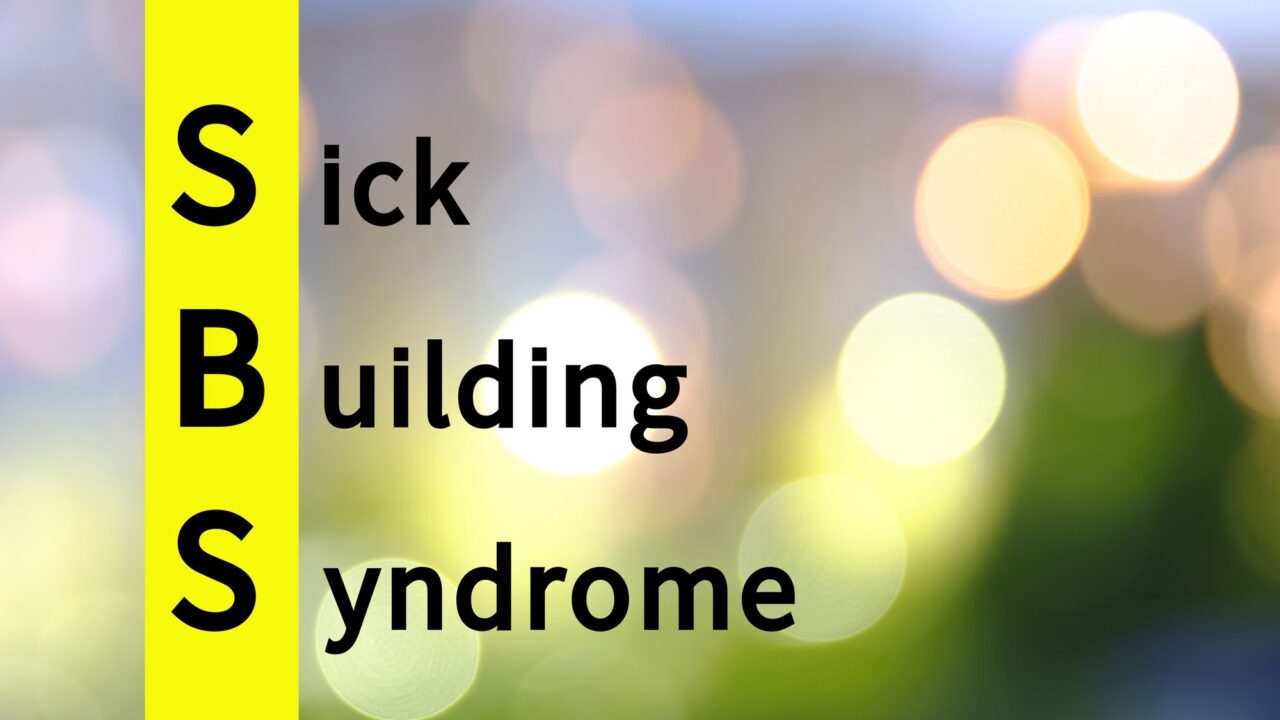
Preventing Lawsuits Due to Sick Buildings in the Age of COVID-19
Building owners must follow all local, regional and national guidance documents to protect employees from the spread of coronavirus. They also must undertake the rigorous recommendations of ASHRAE for reopening and continued operation and maintenance of buildings and HVAC systems.
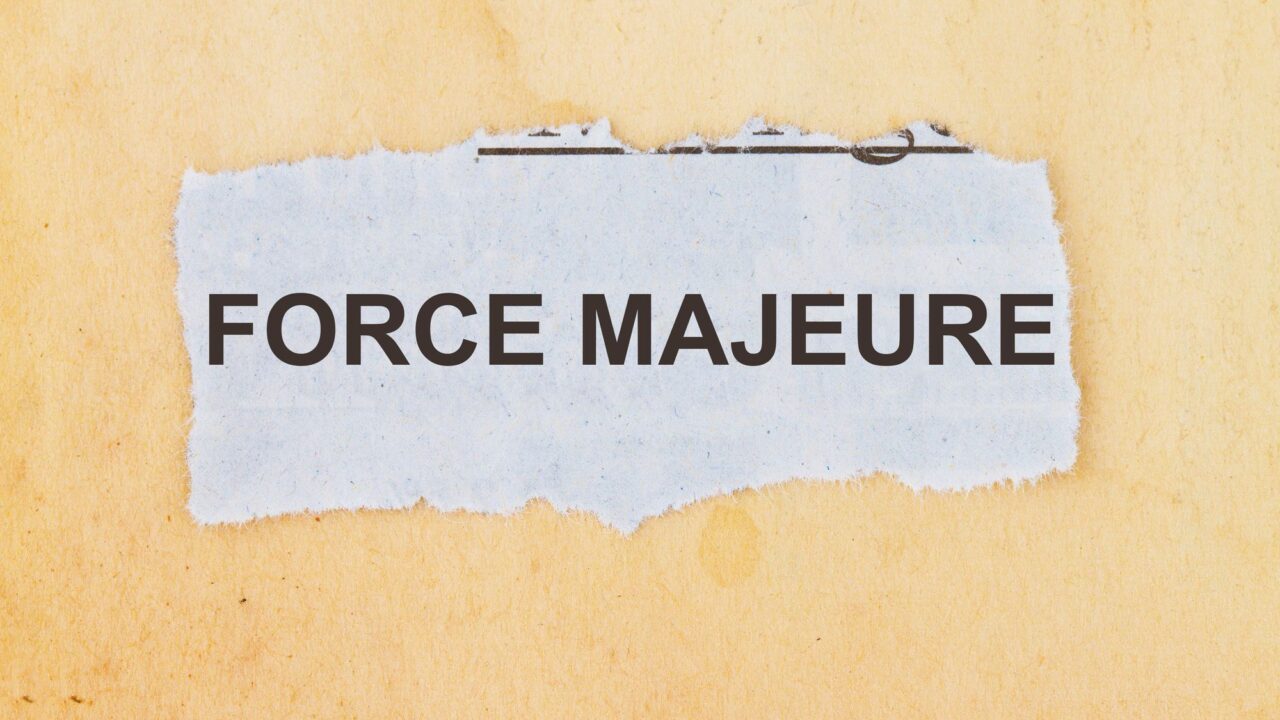
Risk Protection: Force Majeure Agreements Take on Renewed Relevance
In a year defined by the COVID-19 pandemic, force majeure clauses have gone from boilerplate basics to something worthy of further examination and attention in order to minimize risk for all parties involved in a construction project.