Business insurance covers everything from injuries, and liability lawsuits to stolen tools and automobile accidents. There are five types of insurance most small construction companies need.

Insurance Certificates: The Tip of the Iceberg
When it comes to general liability policy exclusions, it is imperative that contractors understand what their policy actually covers before they make a claim.
How General Contractors Can Protect Themselves From Subcontractors’ Faulty Workmanship
Strategies to deal with the risks of faulty workmanship include taking proactive measures, actively managing incidents and safeguarding against financial impacts through risk transfer.
Waiver of Consequential Damages: The Most Important Provision in a Construction Contract
Detailed compromises on waivers of consequential damages may be commonplace in future construction agreements as contractors’ counsel may be wary of the risks assumed or transferred.
Using Lien and Bond Claims to Secure Project Payments
When disputes arise on a construction project, mechanic’s liens and payment bonds ensure that rights are protected, remedies for non-payment exist and that they are enforceable.
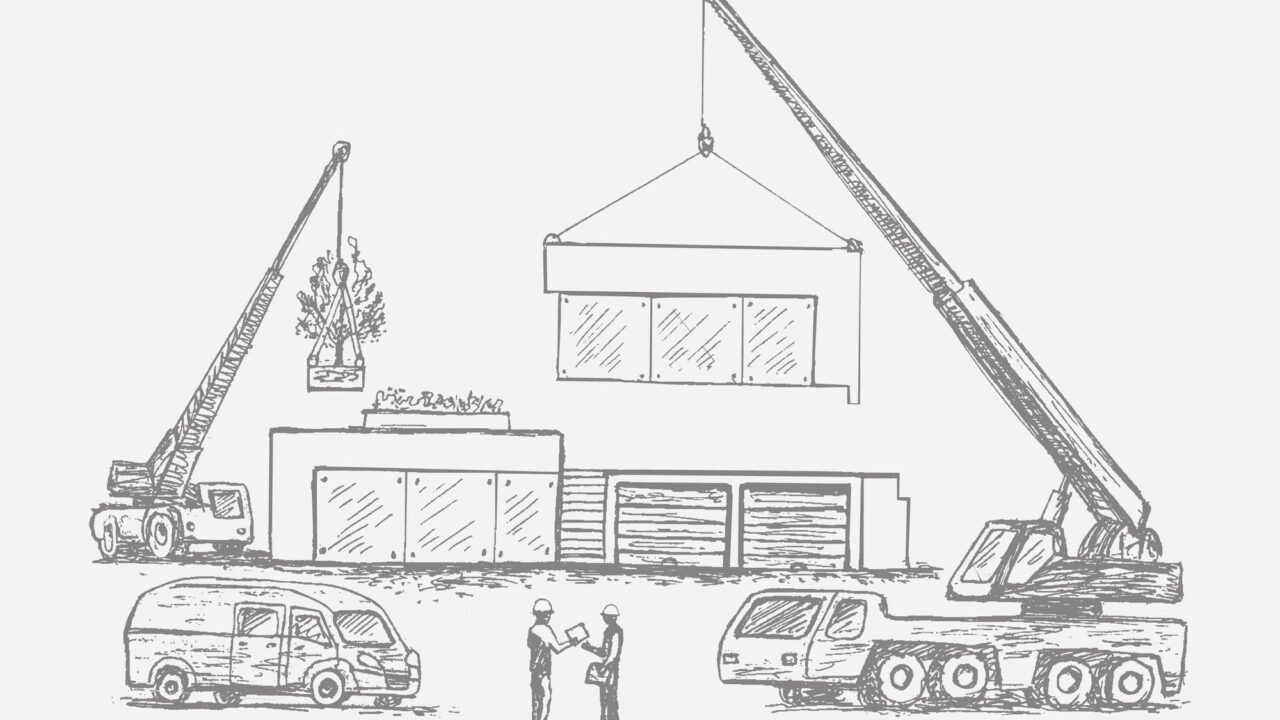
Modular Construction Presents Double the Exposure, Double the Risk
While the need and relevancy of modular construction continues to rise, companies should ensure they are well-versed in what risks these projects may present.
Stop-Work Authority Becomes Stop-Work Responsibility
Give workers control of their own (and others) safety with stop-work authority, which gives them the ability to stop work when a perceived unsafe condition or behavior is seen or recognized.
Safety Considerations in High Winds: The Benefit of Simulation
While standards and guidelines specify how to assess wind related risk on construction sites, computational fluid dynamics can simulate a 3D model to assess risk and create a site safety profile.