One lesson learned from COVID-19 is that the construction industry needs to be aware of what is in their insurance programs, and to think critically about those programs instead of renewing reflexively.
Construction Industry Outlook: Building a Better Tomorrow
As the construction industry quickly innovated to find new ways of weathering COVID-19 restrictions, some temporary solutions spawned positive trends that are here to stay.
Mindfulness and Risk Management: Consciously Raising the Bar on Process and Outcomes
Using mindfulness to step back, slow down and view risks objectively allows for clarity. Leaders practicing and teaching mindfulness methods are modeling prudent decision-making, which is the essence of solid and effective risk management.
The Pitfalls of Oral Agreements in the Construction Industry
Don’t make the mistake relying on an oral agreement instead of memorializing all project terms in writing. Having a written contract can help avoid misunderstandings and save time and money.
Document Everything
Never underestimate the power of the paper trail. Notes and approvals documented in real time can make a difference between ensuring the proper insurance coverage is in place.
Six Game-Changing Reasons Contractors Need Software to Mitigate Risk
Adopting the right software can improve financial results, increase jobsite safety, boost team collaboration and elevate project execution—while avoiding costly claims, disputes and litigation.
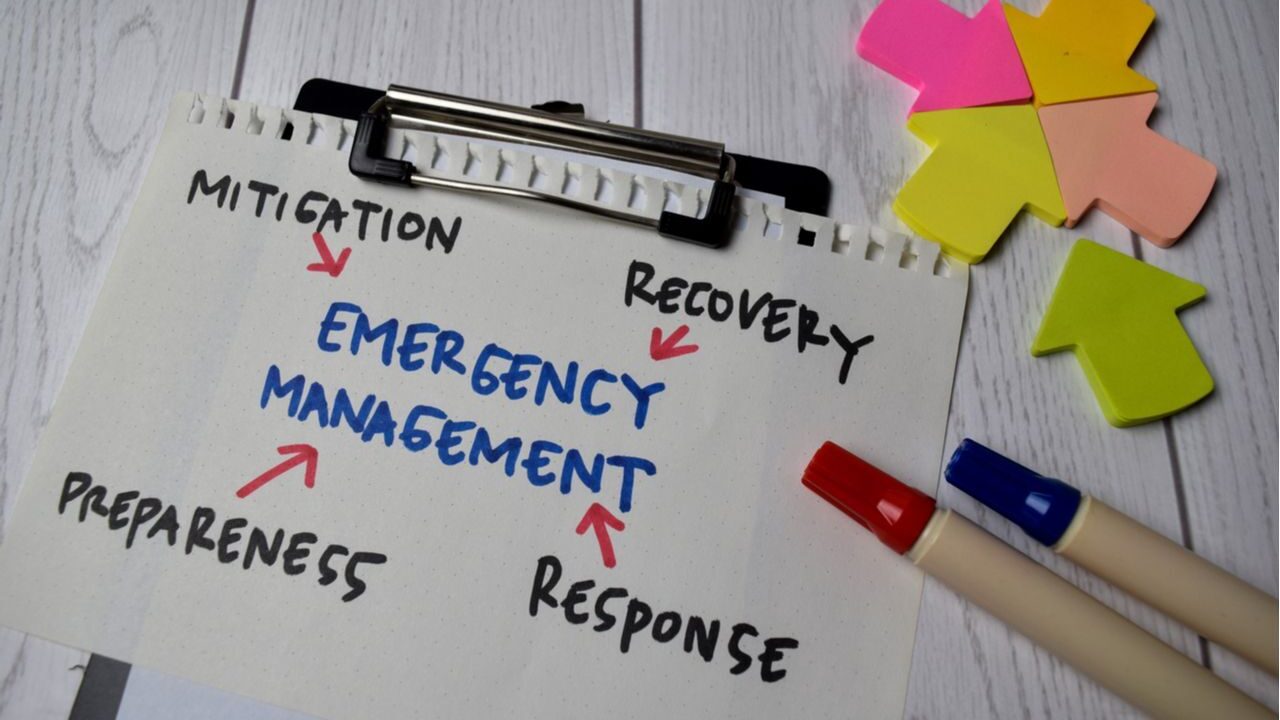
Be Prepared With Emergency Response Planning
Construction relies on constant on-site safety. Re-evaluating emergency action plans help reduce project risks—and construction sites—from start to finish.
Can Connected Data Improve Construction Project Certainty?
Connected data—made possible by integrated project controls platforms—can drive more realistic, risk-informed plans and dramatically reduce the contingency associated with uncertainty.