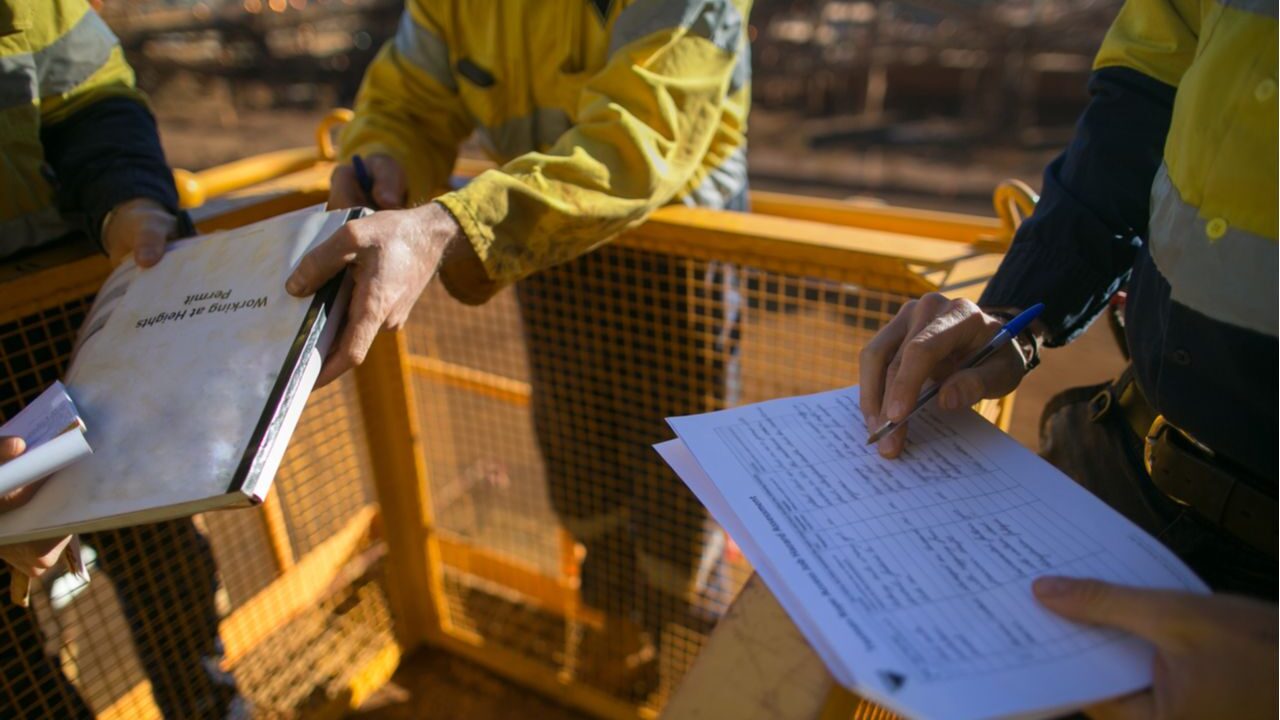
OSHA requires fall protection at heights more than six feet from the next work level. Know how to calculate fall clearance so workers can safely focus on the task at hand.
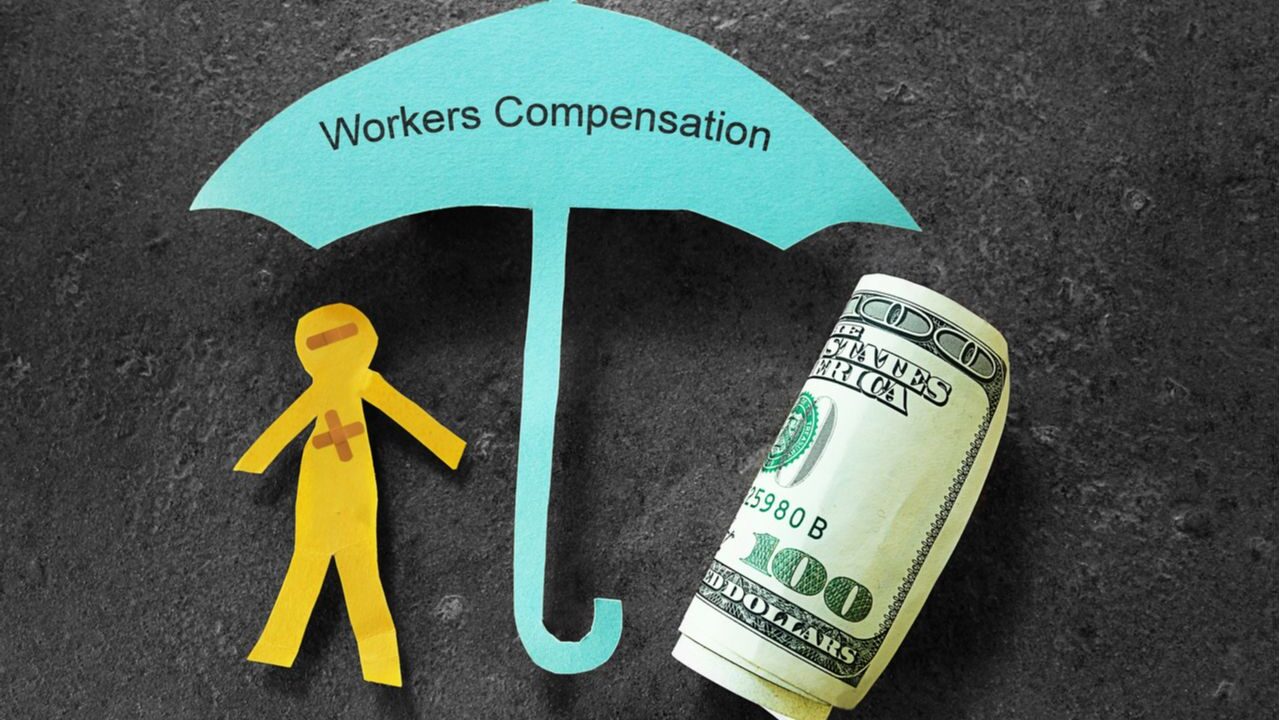
So…You’re in the Market for a New Workers’ Compensation Insurer?
Here are several criteria contractors can use to help select a new workers’ compensation insurer.
Turn a Construction Safety Program Into a Competitive Advantage
A strong safety program can help recruit new talent and new business. Start seeing the ROI on the safety program with increased business growth and retention.
De-Risk Construction Bids
Here are five tips to help general contractors and developers bidding for big projects reduce their exposure to risk by successfully navigating this perilous process and laying the groundwork for more successful bids.
Avoiding Project Planning Disasters: How to Spot Problem Projects
Contractors can evaluate potential projects to ensure that an owner’s planning failures do not become the contractor’s problems by focusing on personnel, processes and technical features.
For All of Modular Construction’s Appeal, Beware of Risks and Insurance Complications
In modular construction, the shift from field construction to field assembly shifts the risks from defects to product liability. Fortunately, the right insurance can mitigate that risk.
2021 Executive Insights: Leaders in Surety Bonding
Industry experts share their thoughts on all things surety bonding-related in 2021.
When Should a General Contractor Require Subcontract Bonds?
The relatively low cost of a subcontract bond provides the opportunity for greater recovery in the event of a default, and it provides a greater certainty of a successful outcome on the overall project for the continued profitable operation of the general contractor’s enterprise.