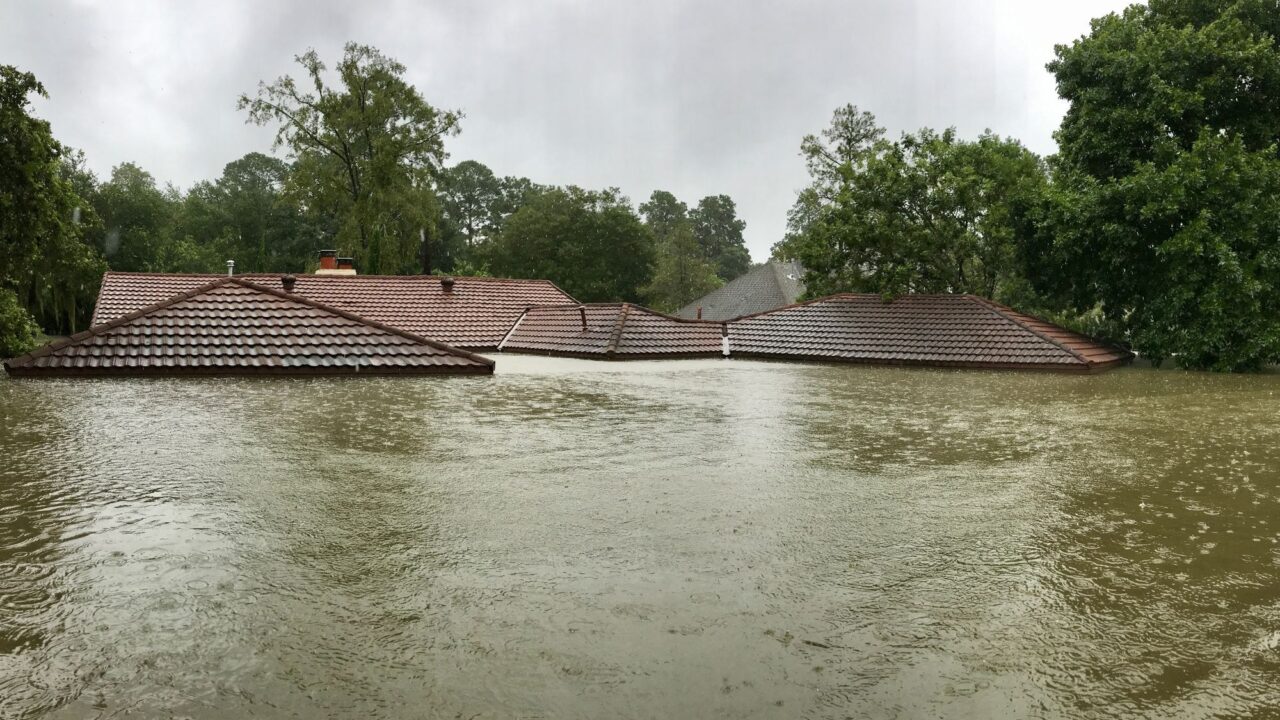
2017 was the most expensive year on record for natural disasters in the United States—with hurricanes, wildfires and other events resulting in an unprecedented $306 billion in total damage, according to the National Oceanic and Atmospheric Administration.
When it comes to protecting today’s construction businesses, executives must make sure necessary insurance coverage is in place and communicated to clients or other required parties—a responsibility that should not take any longer than necessary.
Faulty material choices and fast-tracked construction practices continue to combine with workmanship, design and engineering issues to produce an increasing number of design and building errors.
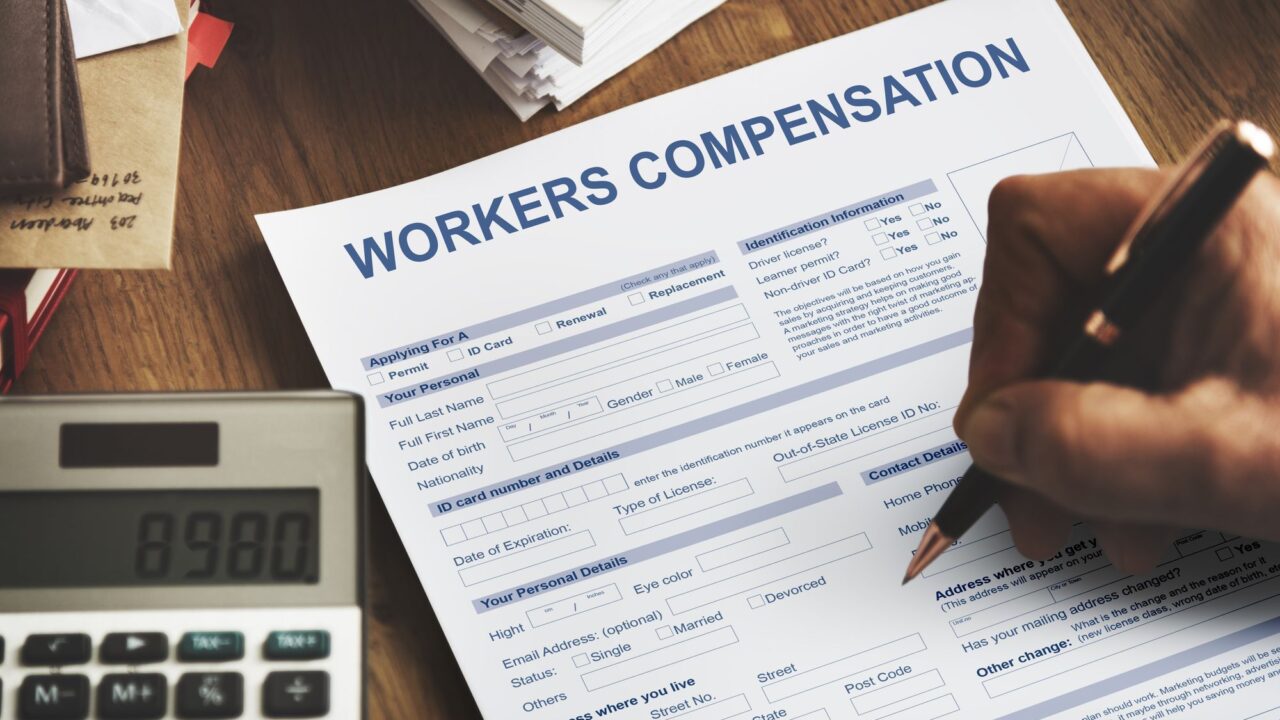
Once premiums for property, general liability, auto, workers’ compensation, employee benefits, life insurance and other lines of coverage are added up, it can often total 5 percent or more of a firm’s total revenue—and that is only the direct costs.
Don’t fear a risk management review. While insurers want to be certain a contractor is taking actions to prevent injuries and property damage, there are steps contractors can take for a successful review.
Keep an experience mod rate low with prevention through a company-wide safety culture and claims management and close workplace injury claims as soon as possible.
Construction Executive’s premier weekly newsletter, CE This Week, brings you topical, relevant content on business, technology, safety, risk and other areas of importance for construction professionals.