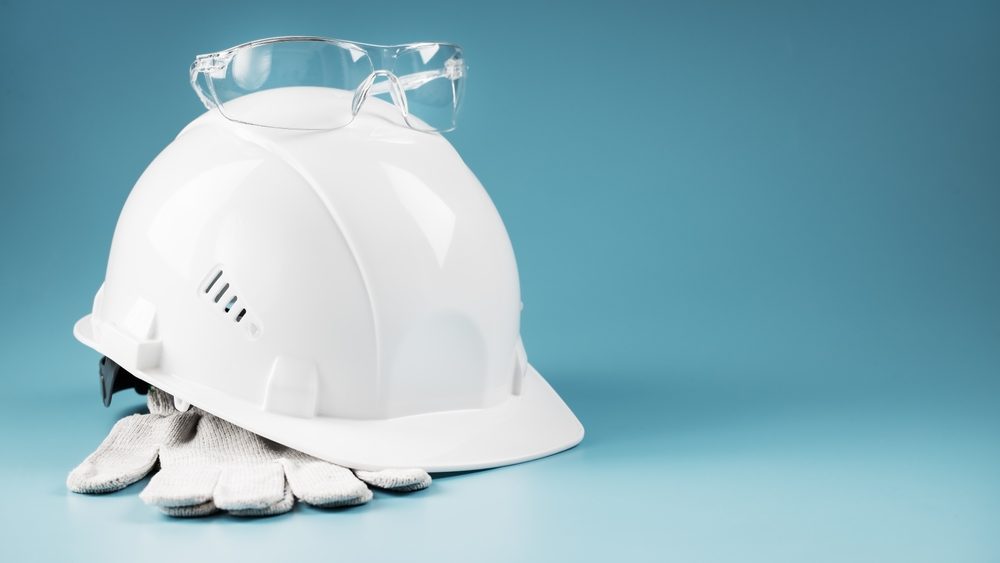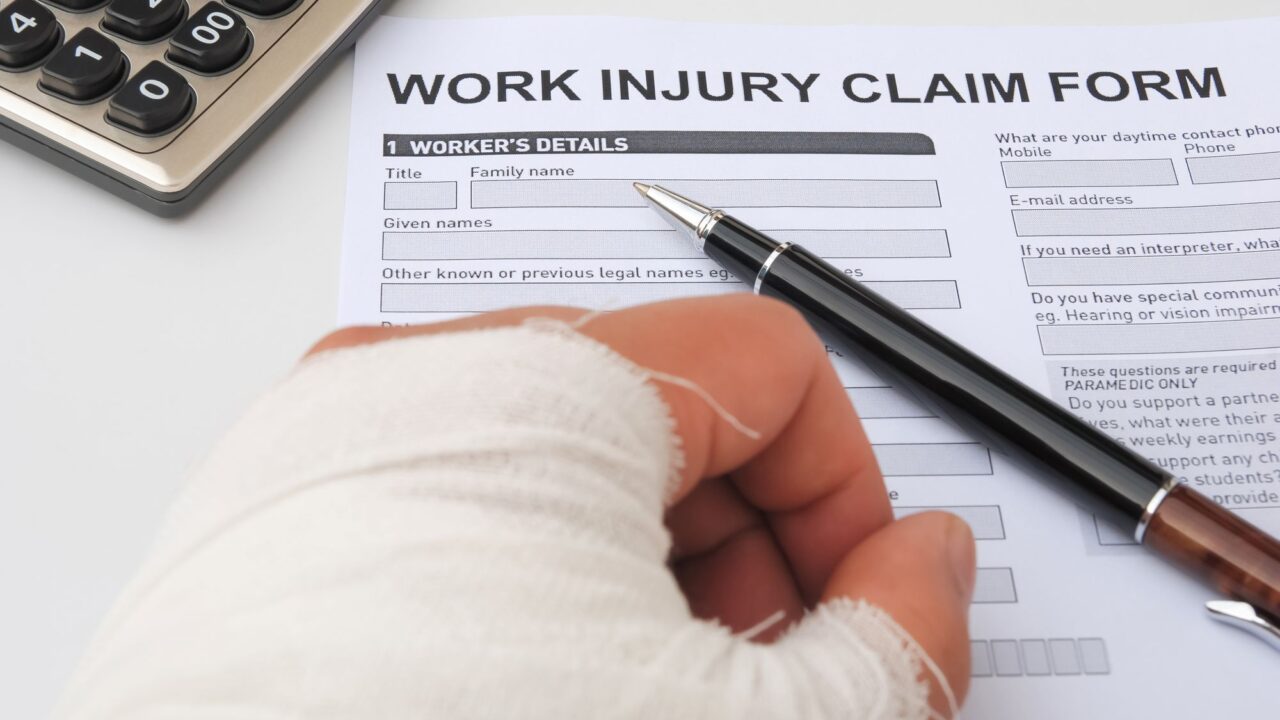
While 100 percent prevention of workplace injuries might be impossible, a company can mitigate the risk and frequency of incidents and ensure it is prepared to handle a crisis situation quickly.
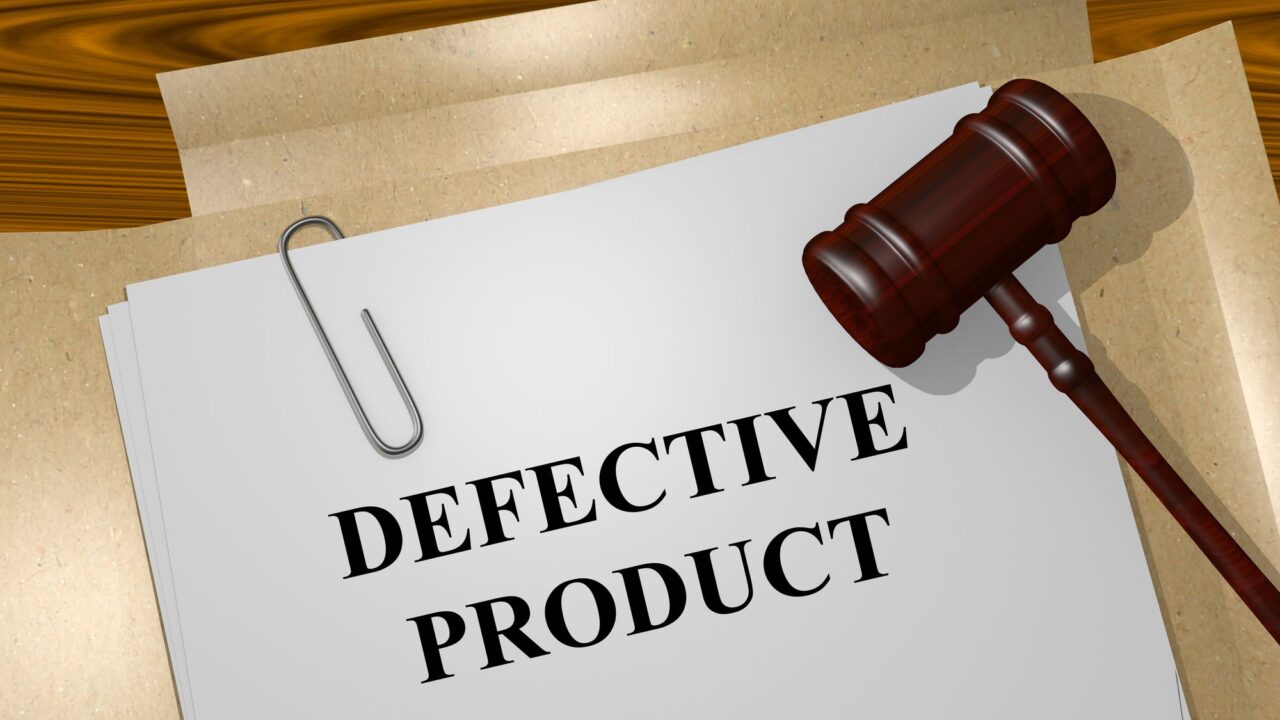
Navigating Liability for Defective Products
To avoid defective product liability, work with suppliers who stand behind their product and take steps to spread the risk to suppliers, such as being named as an additional insured.
Paying the Price of Employee-perpetuated Workers’ Compensation Fraud
Employee fraud accounts for 20 percent of annual workers' comp claims paid. It can be an alleged accident that never occurred or when an injured employee exaggerates his disability and doesn’t return to work when he is able.
Professional Liability Insurance Trends, Challenges and Predictions
A 2018 Market Update report cites a stable but competitive commercial insurance marketplace with new entries joining many established carriers vying for increased market share.
Leveraging Workers’ Compensation Programs as a Competitive Advantage
A strategic partnership with a workers’ comp broker and insurer can preserve precious human capital, streamline operations and maintain the company’s reputation as the best in the business.
Don’t Neglect Business Interruption Insurance in Construction Contracts
Construction contracts generally provide clarity and attention when it comes to insurance requirements for property damage, but insurance requirements for business interruption loss are often left on the cutting room floor.
Why Subcontractors Need to Be Insured
General contractors that hire subcontractors without proper insurance may find themselves footing the bill for lawsuits or claims, including property damage, bodily injury and even pollution.
Claims Reporting: Avoiding Unforced Errors
CPrL and CPL policies are complex. To control losses, claims reporting practices have become increasingly stringent and failure to comply with any of these requirements can result in the denial of coverage.