As the construction industry adopts new technologies with immediate access to data and reliance on a cyber-secure third-party supply chain, it can expect more aggressive cyberattacks.
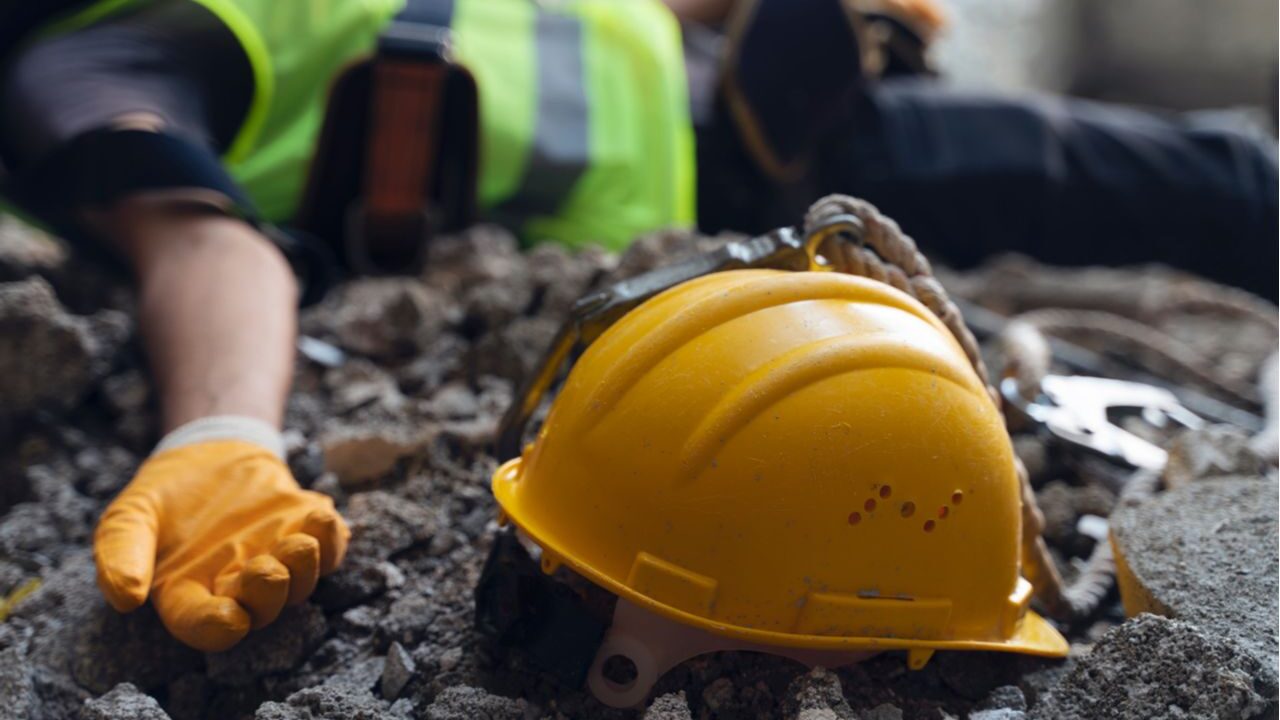
If an accident occurs, seek medical treatment, report the accident and document the scene. Workers can file a workers’ comp claim or personal injury claim if a result of third-party negligence.
COVID-19 Resources With SafeSite Check In QR-code digital check in app, workers and guests can provide proof of COVID-19 vaccination by scanning a private QR code with a smartphone. They can answer questions on vaccination [...]
Builder’s risk insurance can help protect buildings under construction. Contractors should check conditions and exclusions to understand what is and isn’t covered.
A commercial general liability policy provides general liability protection, but it does not cover all potential losses. Contractors should understand what is and what is not covered before certain claims are denied.
Construction Executive’s premier weekly newsletter, CE This Week, brings you topical, relevant content on business, technology, safety, risk and other areas of importance for construction professionals.