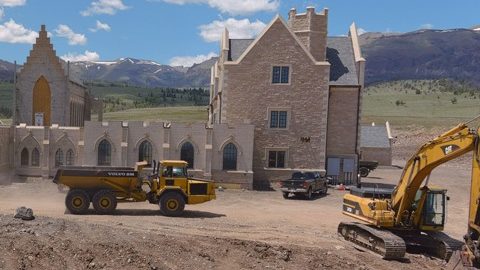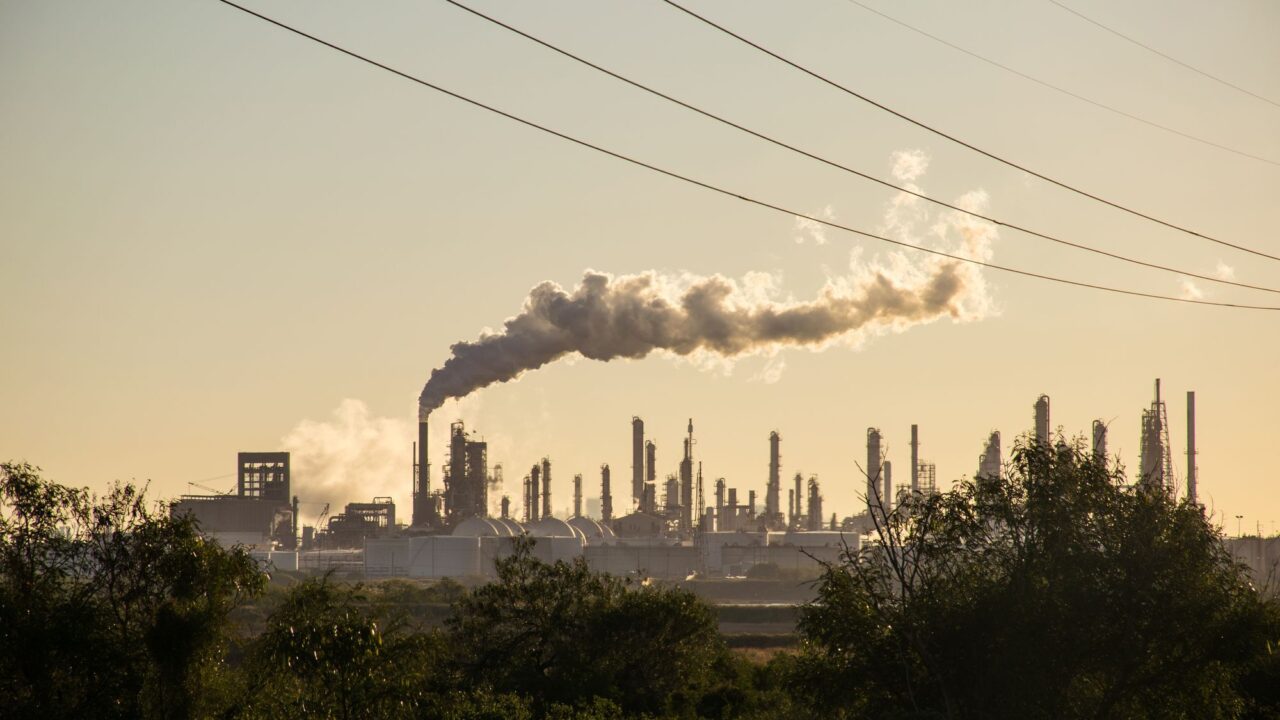
The building sector was responsible for 44 percent of U.S. carbon dioxide emissions in 2010 due to greenfield development, cement production and the burning of fossil fuels. Here are five steps the construction industry can take to lower its environmental impact.

PLL: The Foundation of the Environmental Marketplace
Although there is a rising frequency of pollution losses, competition in the PLL marketplace is expected to remain robust in all market segments, including mergers and acquisitions, real estate portfolios and one-off transactions.
Waste Rating System Unveiled for Businesses
The TRUE Zero Waste rating system helps organizations understand how materials flow through their facilities, as well as set benchmarks, track performance, educate employees and identify opportunities for products to be reused.
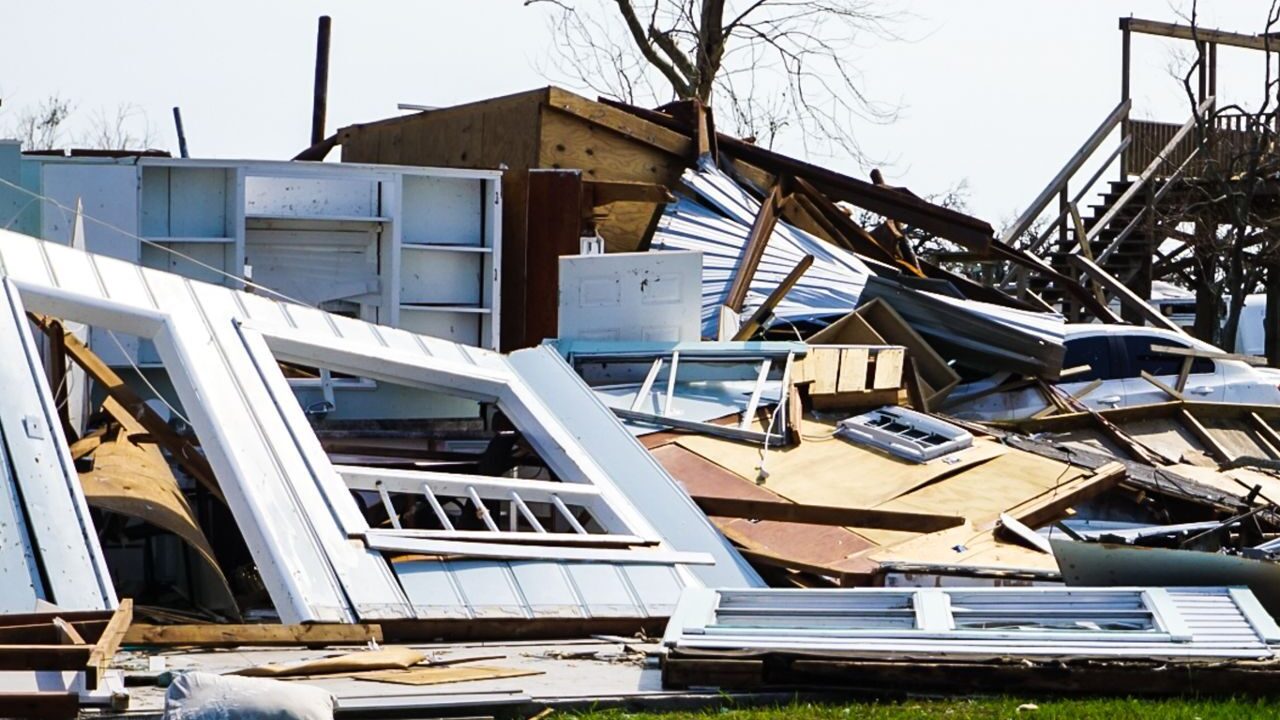
Rising Above: Contending With Hurricane Harvey’s Aftermath
In the wake of Hurricane Harvey, an army of ABC volunteers helped with evacuations, food, clothing and shelter, as well as aided customers with repairs and restorations.
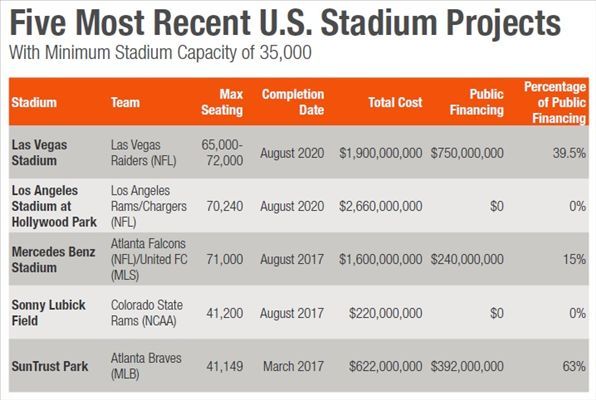
Building the Contemporary Coliseum
Sports facilities are often used to trigger a broader array of mixed-use development.
Open Data Makes Constructing Sustainable Structures More Achievable
The open data revolution is in its early stages, setting itself up to play an expanding role in resilient and sustainable building designs.
Green Construction Technology: Five Trends to Watch
As the volume of construction output worldwide grows, it will have to meet increasing demand resource constraints as demand grows for high performance buildings. BIM workflows and green construction technology can help futureproof the built environment.
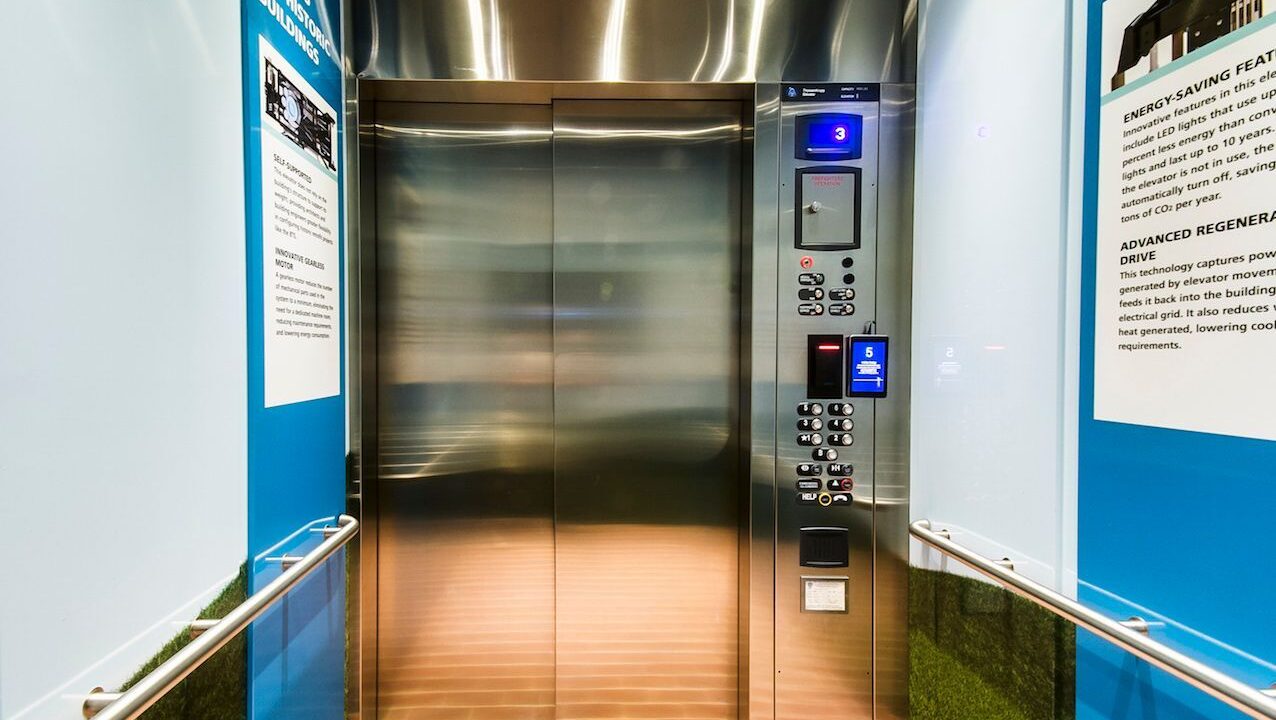
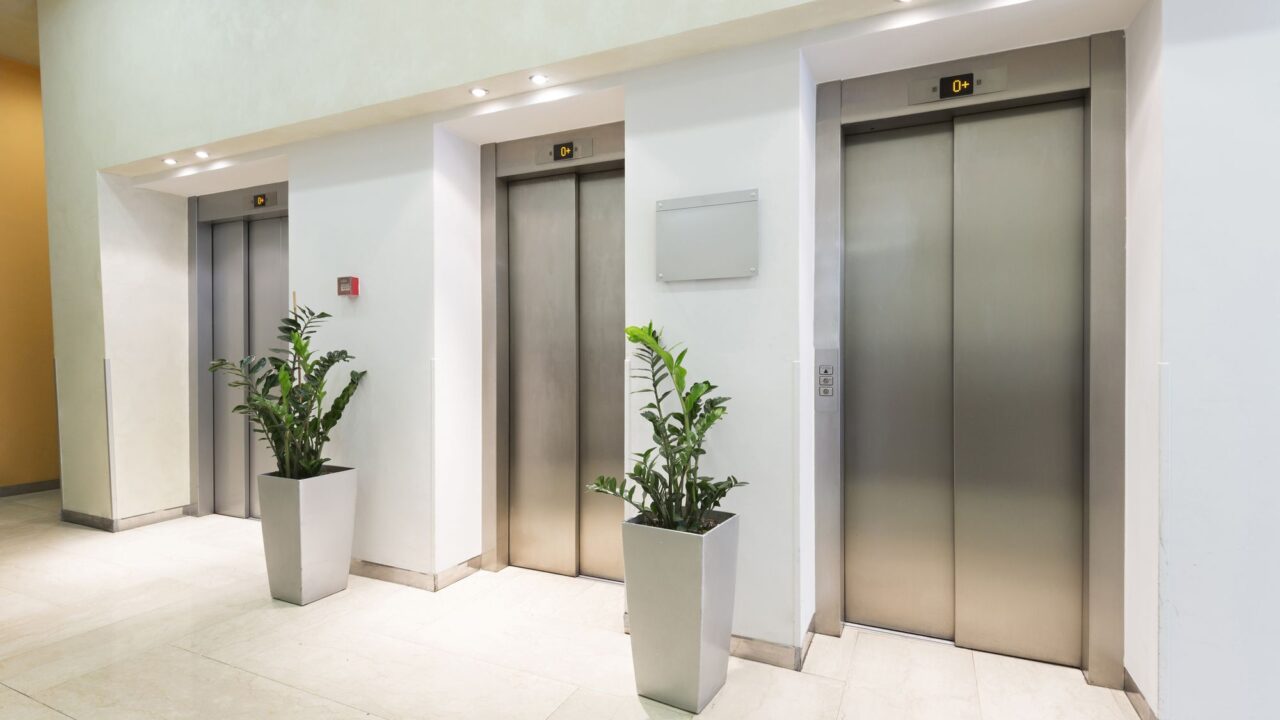
Stop Neglecting Energy-consuming Elevators
If ignored, elevators can quickly become an environmental and economic drain.