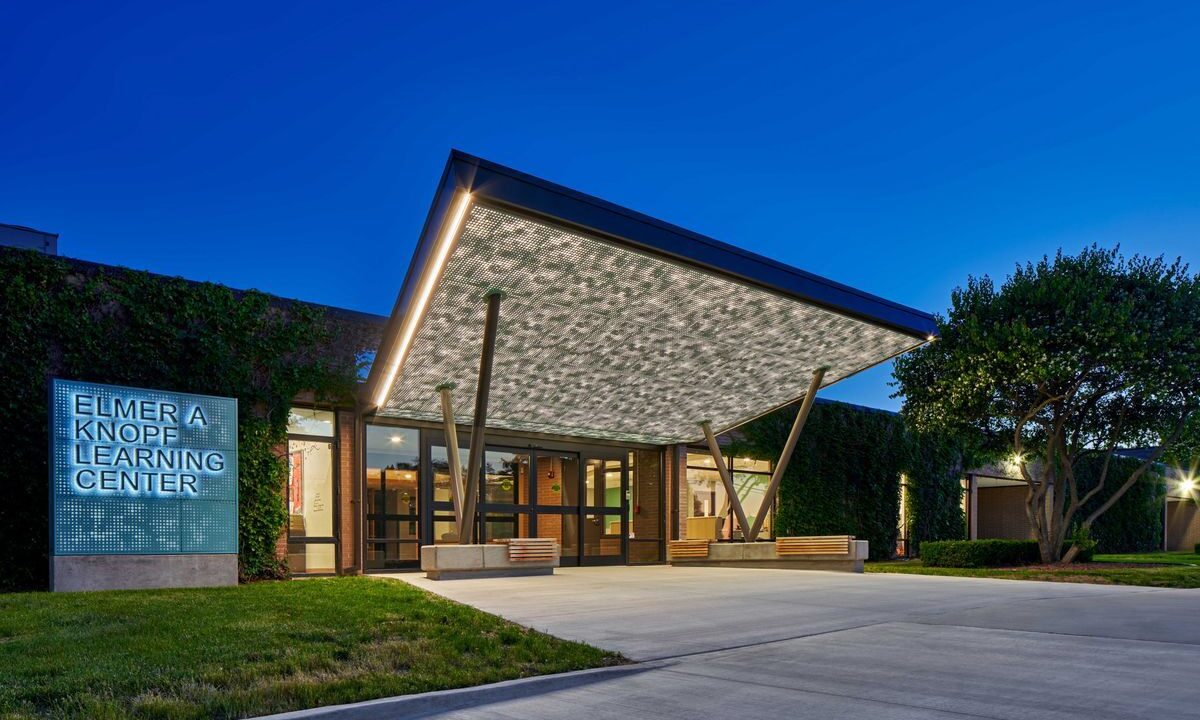
Last year, Shapiro & Duncan switched its fabrication shop from coal-fired power to sun power, saving more than 275,000 pounds of carbon dioxide emissions—the equivalent of planting more than 7,500 trees.
Schools represent the largest segment of commercial zero energy buildings. These efficient structures use only as much energy as can be generated locally with renewable resources and reduce carbon emissions that are fueling climate change.
An element of sustainable design, fired-clay brick can provide structure, finish, acoustic and thermal comfort, good indoor air quality, fire resistance, impact resistance and durability.
Hospitality construction and renovation work is unique in that, more often than not, it requires contractors to perform complex, bespoke and intricate work while remaining invisible and inaudible.
Prefabrication is promising for the construction industry since it moves part of the building process to a controlled factory environment. Decreased uncertainty is key in regions with competitive environments.
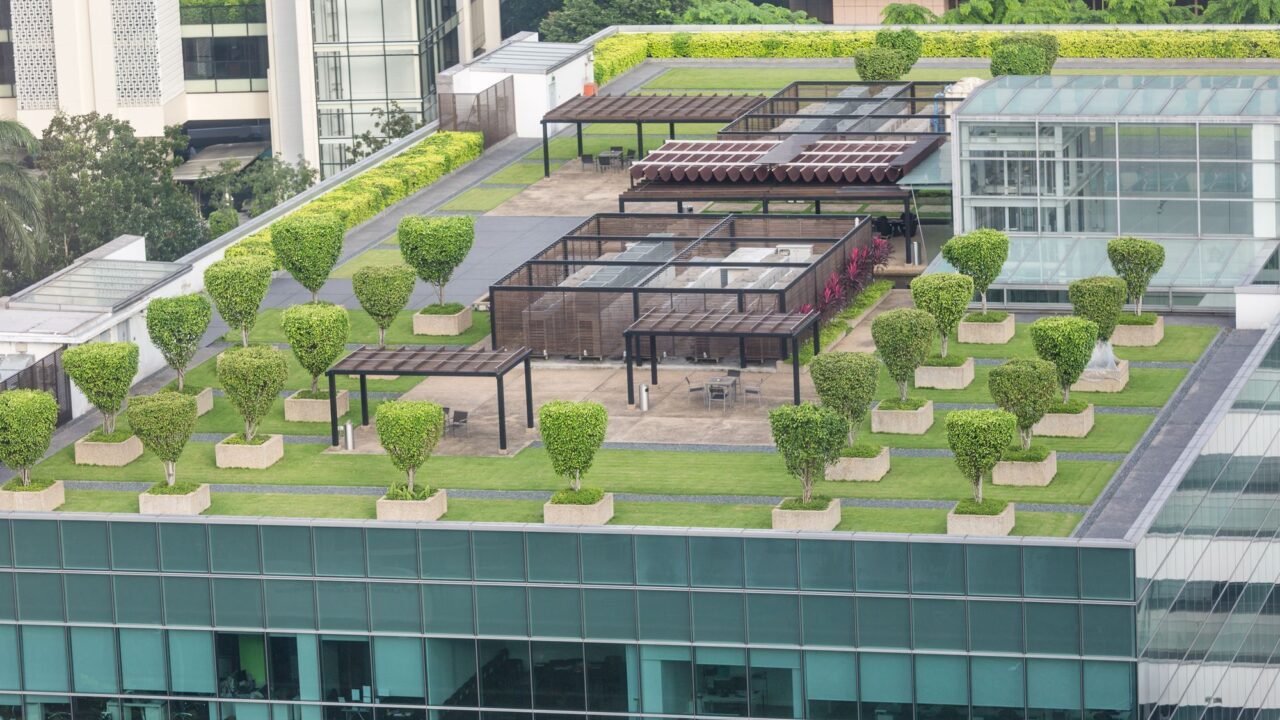
Green roofs are an effective approach to managing storm water runoff from rooftops. As a result, they are growing in use in urban areas where space constraints limit the use of other storm water management practices.
The Florida House and Senate sent legislation to Gov. Ron DeSantis (R) that would end the state’s certificate of need (CON) review for general hospital construction, effective July 1.
Construction Executive’s premier weekly newsletter, CE This Week, brings you topical, relevant content on business, technology, safety, risk and other areas of importance for construction professionals.