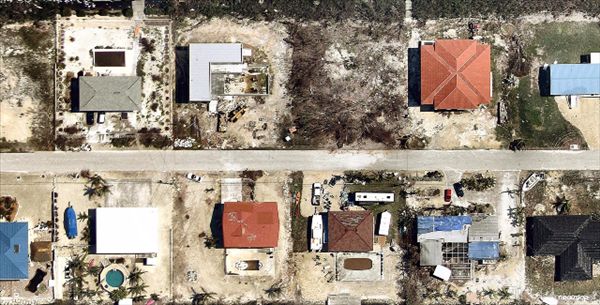
Insurance companies, homebuilders, and city and county officials are still assessing Hurricane Irma damage, but in general, the stricter building codes enforced after Hurricane Andrew did their job.
Overview of Bonding Regulations for Contractors in 2017
New U.S. bonding regulations may signify a trend toward better regulation of the construction industry through surety bonds. Bonds are also an option for providing financial security on projects.
Contractors: An Ounce of Wage and Hour Prevention Is Worth a Pound of Cure
Federal wage and hour law requires employees to be paid for all hours “suffered or permitted” to work. Mitigate the risk of legal exposure to wage and hour actions by understanding obligations and having an effective compliance system.
Job Planning and Risk Assessment Under NFPA 70E 2018
The new edition of 70E: Standard for Electrical Safety in the Workplace® will require electrical professionals to comply with changes to many existing safety practices already incorporated in their daily work routines.
Be Proactive About Crafting a Company Drone Policy
Construction firms should expect the drone compliance topic to develop rapidly, as other agencies may provide supplementary rules to address the impact of unmanned aircraft on the areas they regulate.
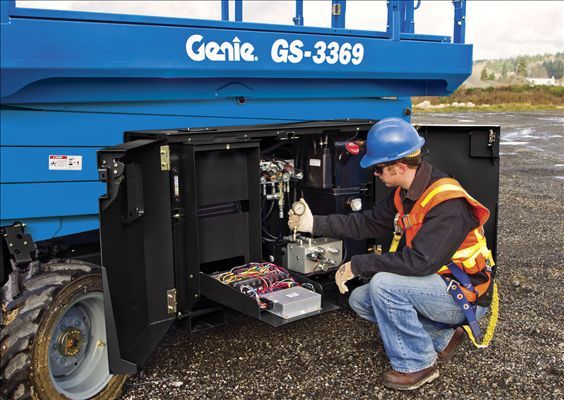
Prepare for Changes to Aerial Work Platform Regulations
Canadian and U.S. regulations for the safe use of mobile elevating work platforms (MEWPs), ANSI A92 and CSA B254, are being updated in an effort to better align with international standards (ISO 16368).
Financial Statement Red Flags to Detect Internal Theft: Construction Contractors Can Minimize Financial Damage by Recognizing Fraud
Financial statement fraud is a real threat to businesses large and small across all industries. The first line of defense against these criminal activities is the implementation of systems, policies and controls intended to safeguard an organization and deter fraud or stop it in its tracks at the first sign of detection.
Stormwater Runoff From Construction Activities Subject to New EPA 2017 General Permit
Contractors must be prepared for the EPA's new Stormwater Construction General Permit, which applies to land clearance and disturbance activities greater that 1 acre and requires site operators to comply with best management practices, effluent limits and other permit requirements, including developing a Stormwater Pollution Prevention Plan.