The U.S. Equal Employment Opportunity Commission (EEOC) has announced that it will extend the deadline for filing 2018 EEO-1 reports from March 31, 2019 to May 31, 2019.

Fundamentals of Real Estate Developers’ E&O
Developers are using Real Estate Developer E&O policies for coverage of professional services in which they are personally or vicariously liable.
Contractors Report Strong Opposition to PLA Mandates
In a survey of more than 500 members of Associated Builders and Contractors, 98 percent said they were less likely to bid on a taxpayer-funded construction contract if the bid specifications required the winning firm to sign a project labor agreement with labor unions.
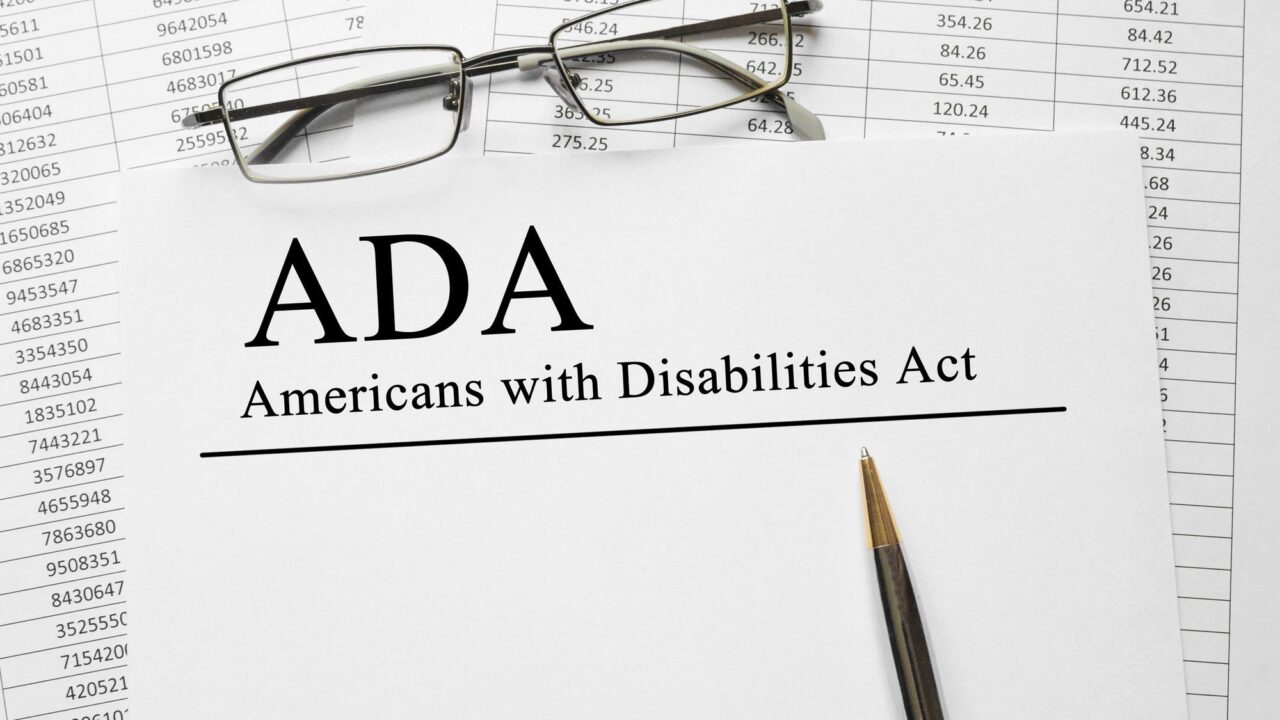
Navigating the ADA: Establishing a Clear Interactive Process
Construction industry employers need to understand obligations under the Americans with Disabilities Act and establish clear internal protocols to successfully handle a potential ADA scenario.
Active Shooter Policies: What to Look For
Business or property damages caused by an active shooter may not be covered under general liability insurance unless the insured is deemed to be “liable.” Here are things to consider when selecting an active shooter insurance policy.
The ‘B’ Word
When a contractor files for bankruptcy, subcontractors may file a mechanics’ lien, but a seemingly simple thing like an automatic bankruptcy stay can be complicated by applicable state law.
Federal Laws Applying to Opioid Use and Addiction
Data shows that, statistically, every adult American knows at least one member of the workforce who has been injured at work, was involved in an accident or underwent hospitalization, and has been prescribed pain medication—likely an opioid—to use while on the job.
Considerations to Overcome the Unintended Challenges of Wrap-Up Policies
Wrap-up insurance policies provide an alternative to traditional commercial liability insurance policies. OCIPs are sponsored by the project owner, whereas CCIPs are sponsored by the general contractor.