Three risk allocation provisions that should be considered and evaluated in contracts are waiver of consequential damages provisions, limitation of liability provisions and indemnification provisions.
Risks to Mitigate When Bidding for Federal Contracts
Contractors bidding on federal contracts should pay attention to how they manage cyber risk, prepare for increased scrutiny and demonstrate that safety measures are in place.
Tax Act Incentivizes Near-term Capital Investment
The initial reception for the Tax Cuts and Jobs Act has been strong, with scores of companies of virtually every size and sector crediting tax reform for significant investments in their workers. But what does the new law mean for the construction industry?
Tips for Getting Paid on a Delay Claim
Many things—from defective designs and weather to unanswered RFIs or unforeseen site conditions—can delay a project. Prepare for delays starting with the contract, and then monitor the critical path and document everything.
The ‘B’ Word
When a contractor files for bankruptcy, subcontractors may file a mechanics’ lien, but a seemingly simple thing like an automatic bankruptcy stay can be complicated by applicable state law.
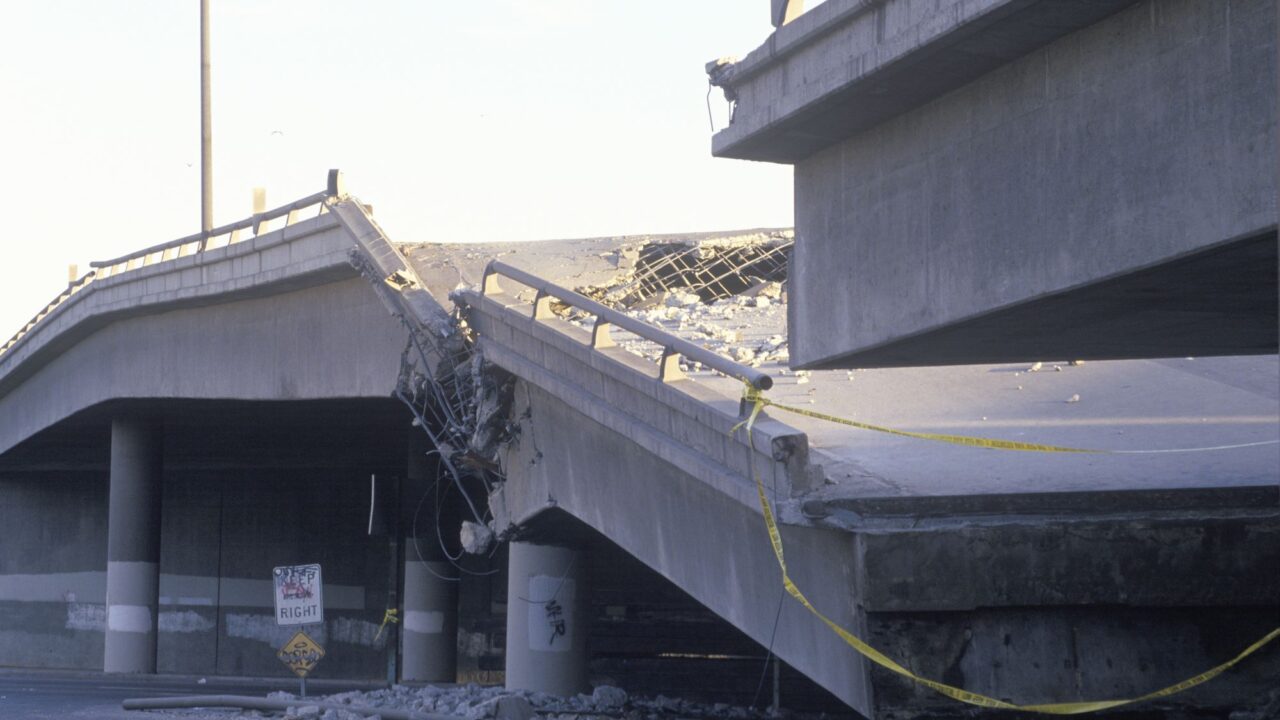
USRC White Paper Describes Threats of Earthquakes and Economic Benefits to Safer Structures
"The Case for Earthquake Resilience: Why Safer Structures Protect and Promote Social and Economic Vitality," describes the threats of earthquakes on society and the economic benefits that come from having safer structures in a community.
Comparing Contracts: A Review of the AIA 201 and ConsensusDocs – Part III
The final part of this series compares and analyzes important contract sections in the AIA 201 and ConsensusDocs, including insurance, indemnification and payment.
WOTUS Decision Delayed Until 2020
The U.S. Environmental Protection Agency and U.S. Army Corps of Engineers announced the 2015 Waters of the U.S. (WOTUS) rule would be void until 2020.