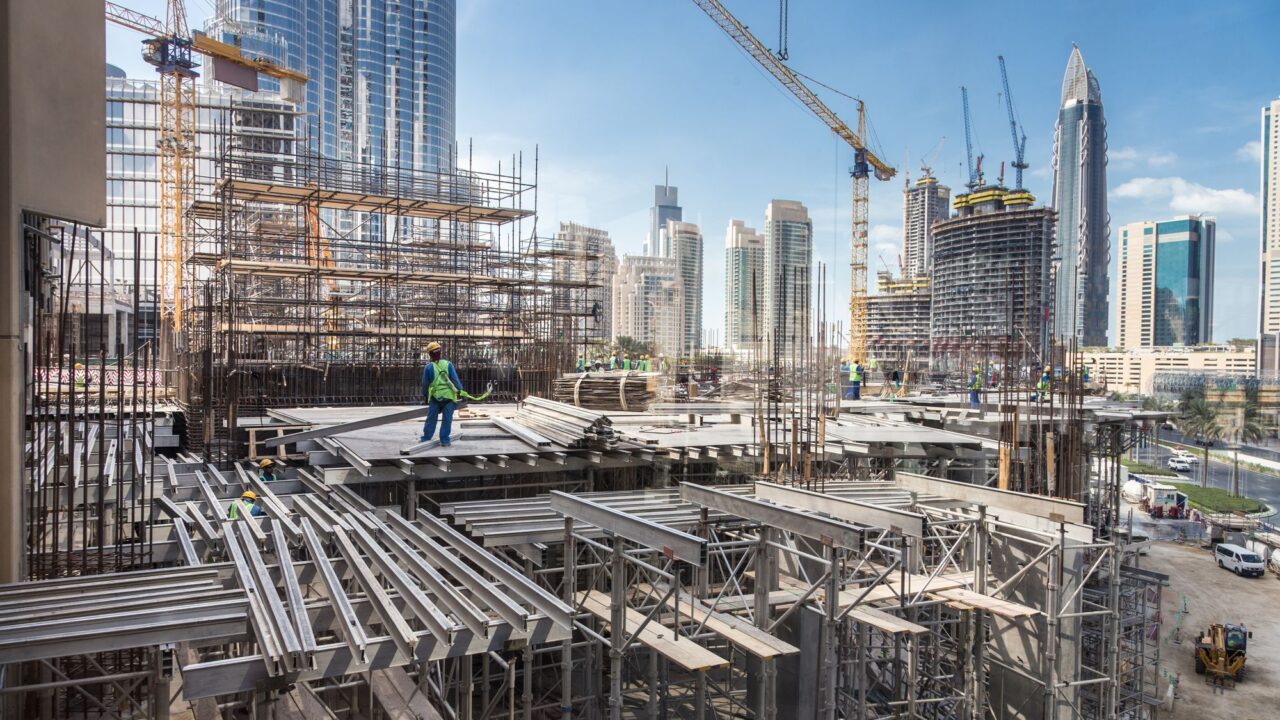
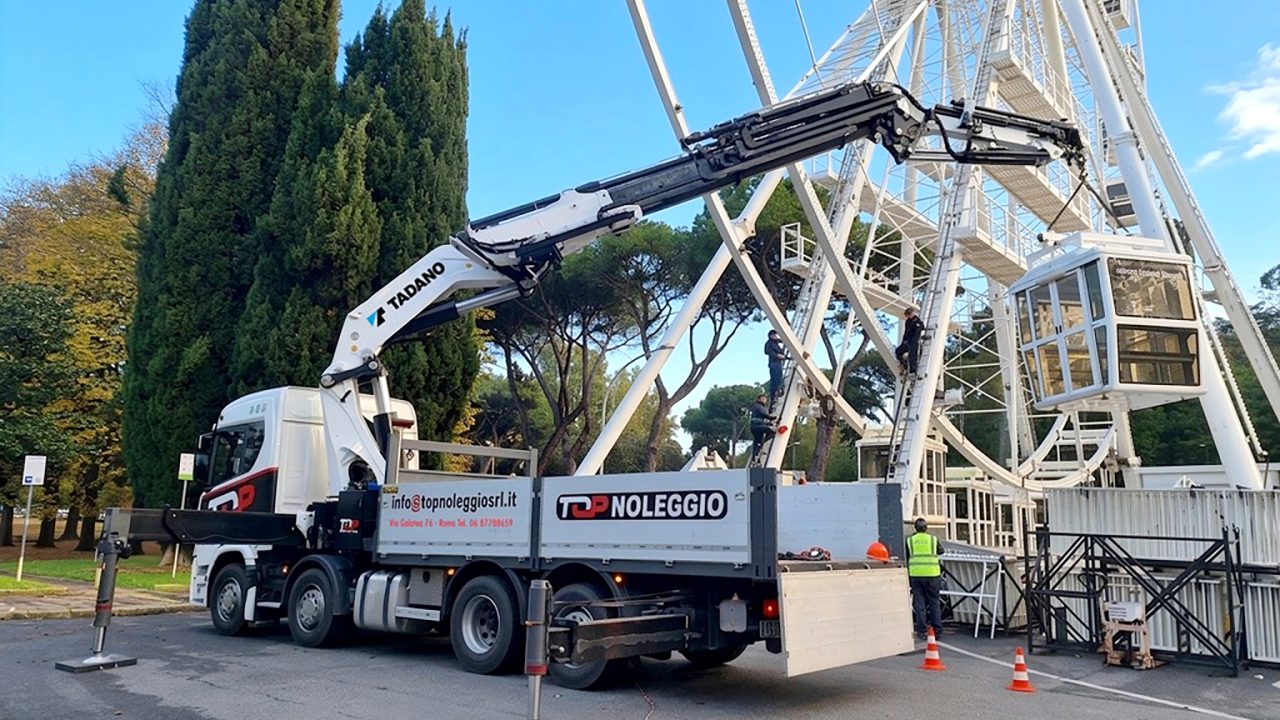
A high volume and variety of vehicles on jobsites spells risk and liability. Here are strategies to create a safe and productive construction environment that protects workers and vehicles.
During these uncertain times, when cost-saving efficiencies are of paramount importance, adopting an advanced solution for planning and executing routes and managing delivery performance is a game changer.
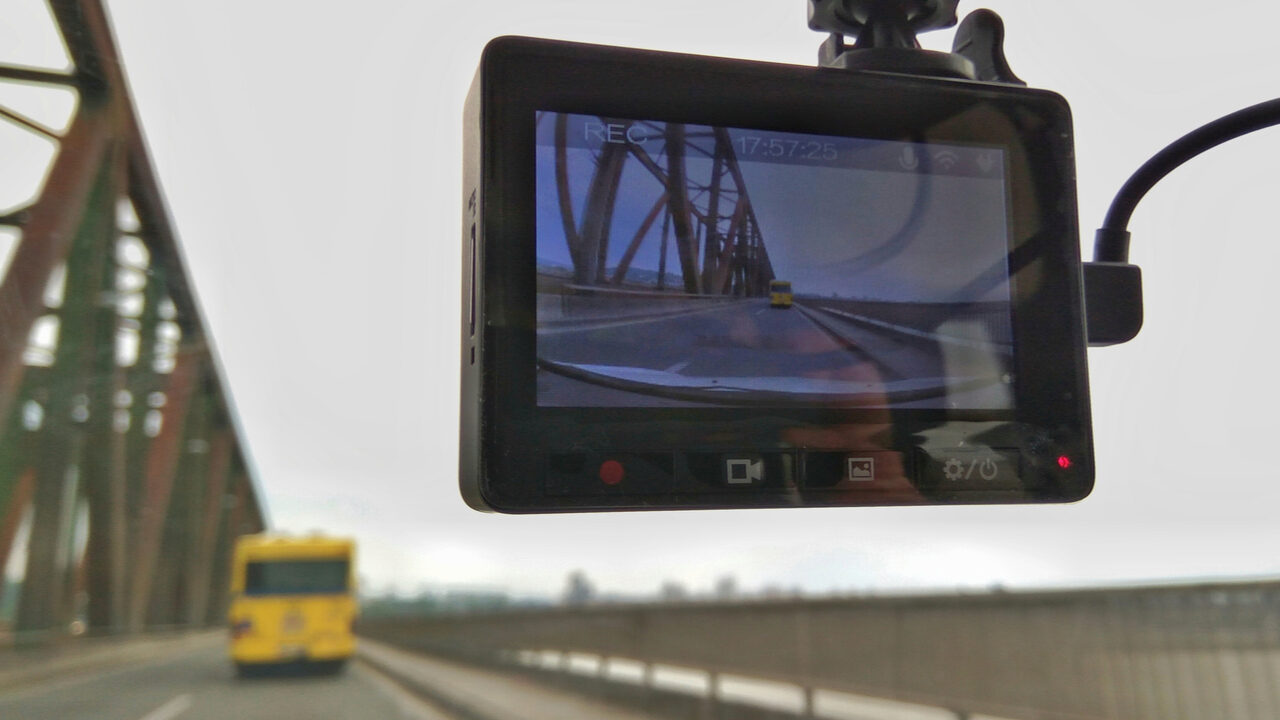
Safety is paramount in everyday fleet management, but especially during uncertain times. Contractors can keep drivers safe by leaning into technology solutions.
The transportation industry has continued to look for ways to absorb the drastic logistical challenges and sharp economic decline resulting from the COVID-19 pandemic.
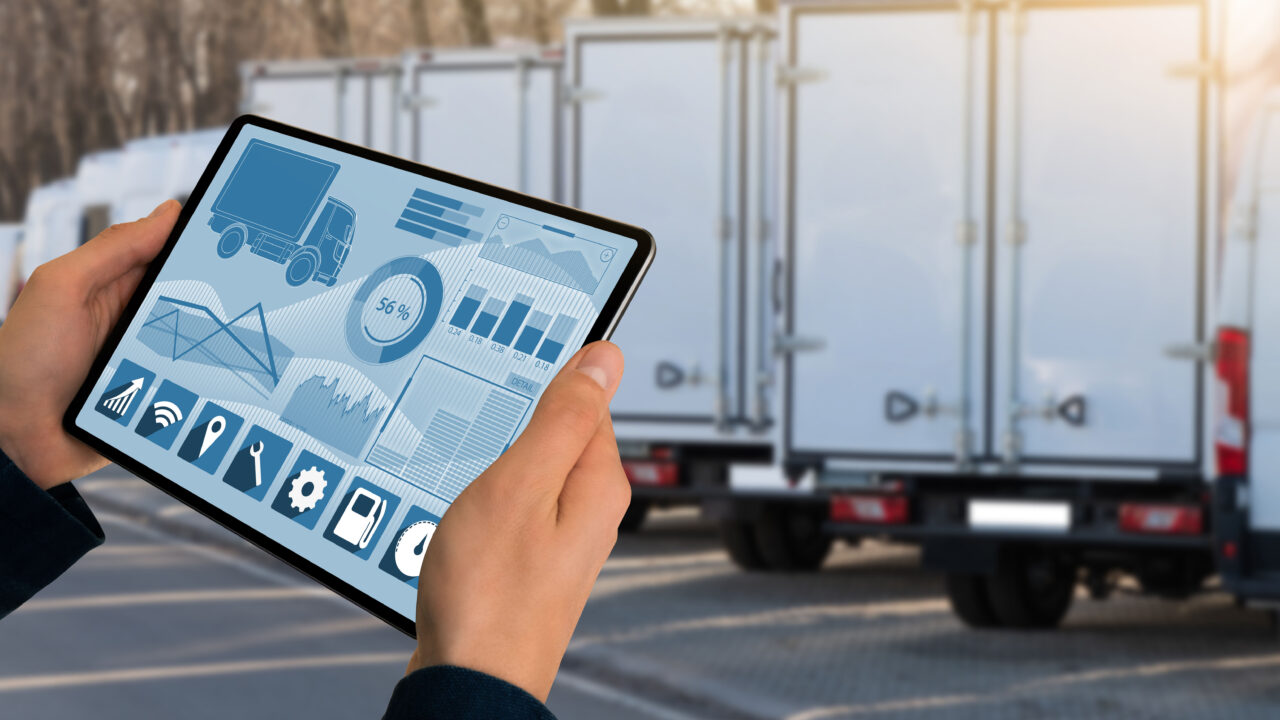
Integrated fleet and field technologies make it easier to build procedures and structures that allow businesses to operate a fleet and a remote workforce. It’s these technologies that can be adjusted for today’s challenges.
Construction Executive’s premier weekly newsletter, CE This Week, brings you topical, relevant content on business, technology, safety, risk and other areas of importance for construction professionals.