The key to minimizing moisture damage is managing air flow. A properly installed, continuous air barrier minimizes air leakage, which minimizes the potential for water vapor to condense on vulnerable wall structures.
Why Every Commercial Contractor Must Use Reusable Safety Systems
The future is strong for robust, reusable safety rail and perimeter fencing systems because they make jobs easier and faster, solve common safety-related problems and save contractors money.
The Benefits of Investing in High-Quality Netting Systems
When it comes to specifying the appropriate netting solution, all netting systems are not the same. The risk of potentially deadly failure and costly liability needs to be properly vetted before installation.
Effective Change Management in a Remote World
Innovative contractors need to move away from the mentality that if the equipment is onsite, it must be needed. Here’s how they can better manage necessary changes.
Improve Facility Safety With Fit-for-Purpose Guardrails
Fit-for-purpose guardrails should be installed in all industrial facilities, especially in areas where there is forklift truck traffic.
Tools to Prevent Heat Illness on the Job
Heat illness is a serious risk that’s easily defeated with the right precautions. The trick is for employers to handle it no differently than they would a cut hazard or a risk of falling from a height.
Rethinking Supply Chains in a Post-Pandemic World
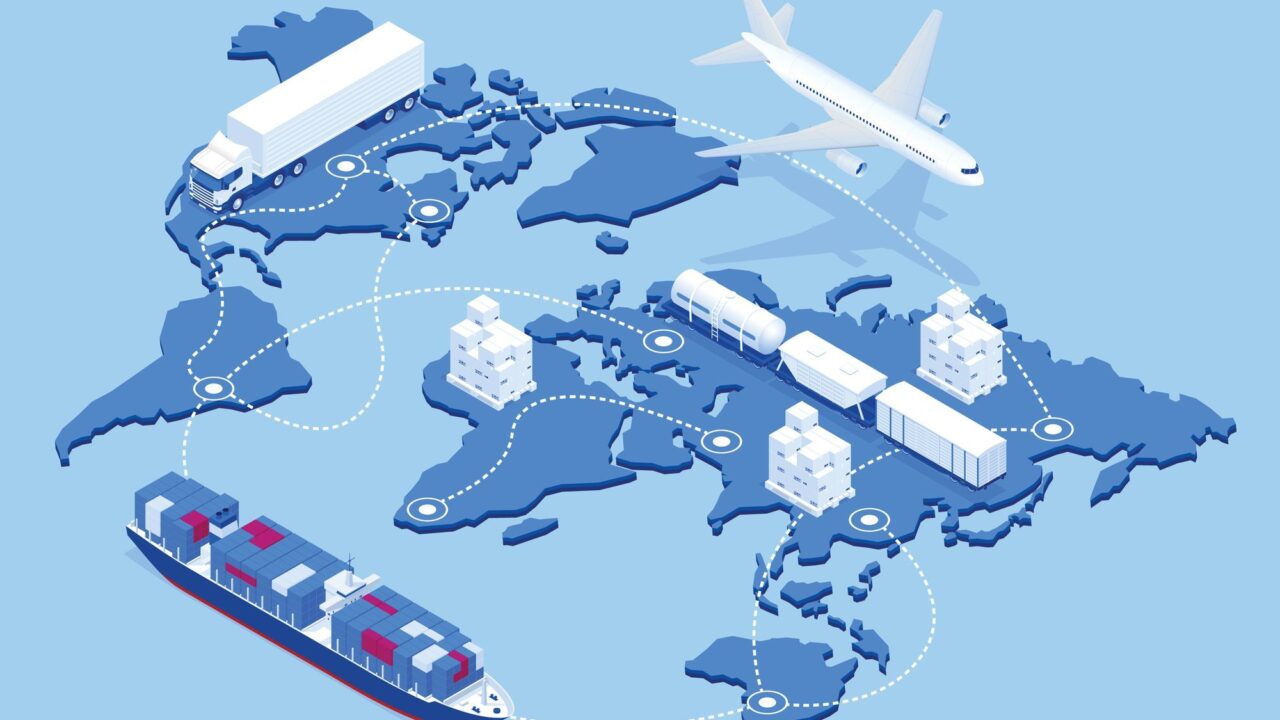
An extremely critical aspect of post-COVID planning is understanding how essential it is to ensure the protection of supply chains.
Get Ready Before a Storm Strikes: Prepare Outdoor Power Equipment to Ride It Out
It’s important to prepare for severe weather such as storms, hurricanes, tornados, floods and wildfires. OPEI offers the following tips to help construction executives be ready before dangerous weather strikes.