As more construction technology players emerge, the industry is in a true state of digital transformation. Construction companies are
evolving quickly, and taking a digital-first approach to collaboration, back office integration and onsite execution.
Engineering Better Wood Structures for Earthquakes: Past Experiences and Future Trends
With proper design and better quality control, light-framed wood buildings will continue to perform better in seismic events and dominate low-rise commercial and single-family residential construction in the U.S.
Driving Forward a Fleet Safety Initiative
Accidents involving construction fleet drivers are on the rise. That’s why many construction organizations are using telematics to improve driver behavior and solve their safety challenges.
To ensure a fleet safety initiative is the most effective and consistent throughout the entire fleet, writing a driver safety policy is a must. Read this article to learn about the best practices when putting a safety policy in ink that includes the use of telematics data.
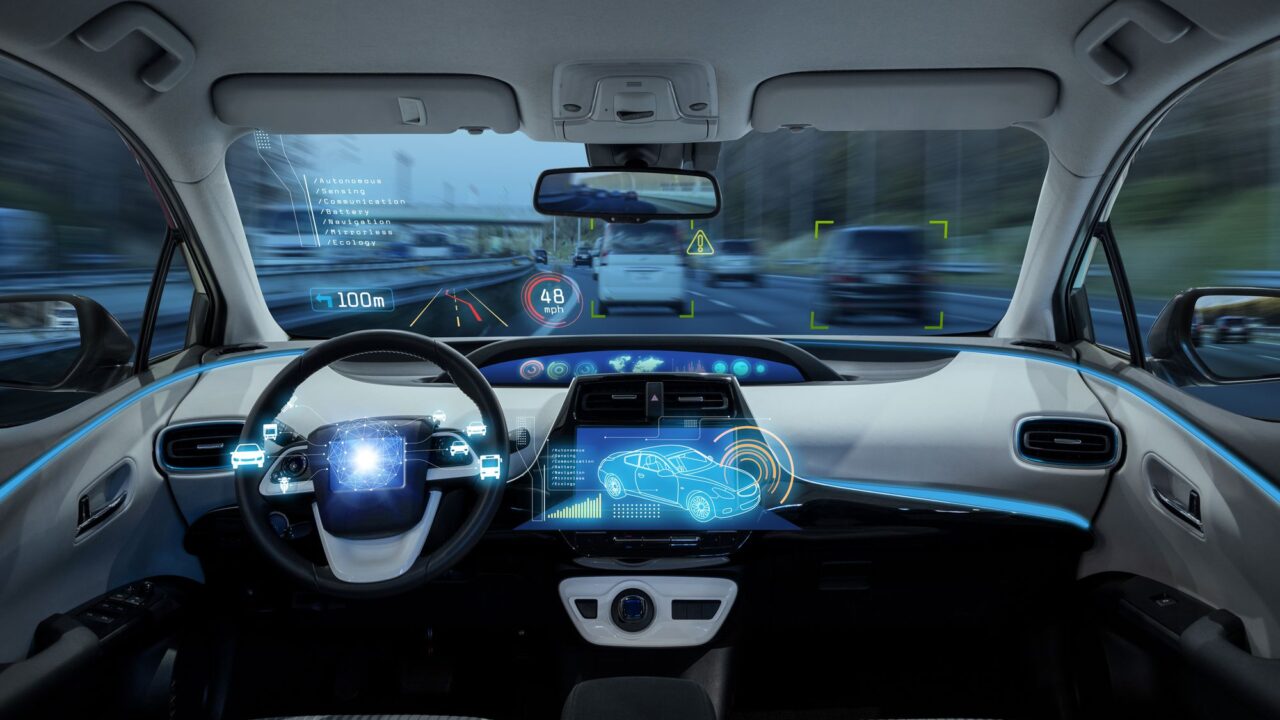
Driverless Cars’ Impact on Construction
Driverless cars are coming and will impact construction. Smart developers, construction executives and transportation engineers should analyze autonomous vehicle trends and plan their response for the future.
Construction Technology and Software Rundown: March 16, 2018
Here’s the rundown on new technology for equipment/fleet maintenance and tracking, liability insurance for iot and drones, and VR project walkthroughs.
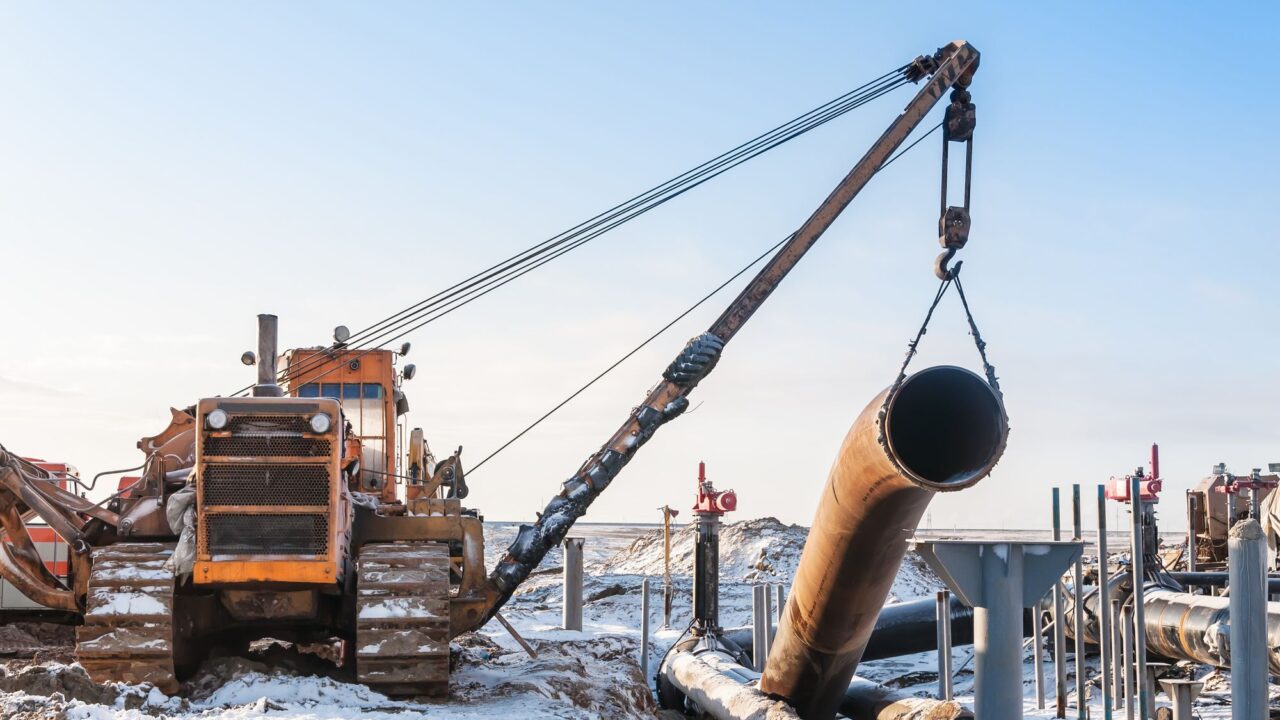
Overloading: Avoiding Mobile Crane Accidents
Mobile cranes are the backbone of construction, but when overloading accidents occur, the results can be disastrous. Taking steps for safe operation can lessen or eliminate overloading accidents.
Protect Building Supplies From Winter Cold
When it comes to transporting and storing building supplies during the winter months, it’s in everyone’s best interest—from the supplier to the contractor—to plan ahead and protect vulnerable products. Heated trailers, loading docks and warehouses are all available options and should be used to protect supplies from freezing or being damaged due to weather extremes.
Keep the Heat on This Winter
Commercial HVAC systems are major investments and regular inspections are vital to the long-term life of these complex systems. A properly installed and maintained system keeps the workspace comfortable and protects equipment from temperature and humidity swings.