Sites are often purchased before a proper evaluation is conducted. Some owners are shocked to discover issues connected to financing, real estate or legal problems because they didn’t bring experts to the table early enough in the process. These are real—and avoidable—risks.

A Contractor’s Guide to Getting Paid Through Mechanics Liens
Contractors and suppliers need to be familiar with the tools available to ensure they receive fair compensation for the labor provided and materials used on projects. The most powerful of these tools is the mechanics lien.
How Famous Buildings Around the World Consider Wind Loads
In this new age, buildings are not only getting taller to save space, but also becoming complex icons of society that define art and culture. As architects and engineers are building intricate and challenging designs, using innovative simulation solutions for analyzing wind effects is essential.
How COVID-19 Is Affecting Construction Projects—and What You Can Do About It
The coronavirus is generating unprecedented delays, disruptions and uncertainty on construction projects. Mitigate project impacts by assessing local shutdown orders and evaluating contract terms.
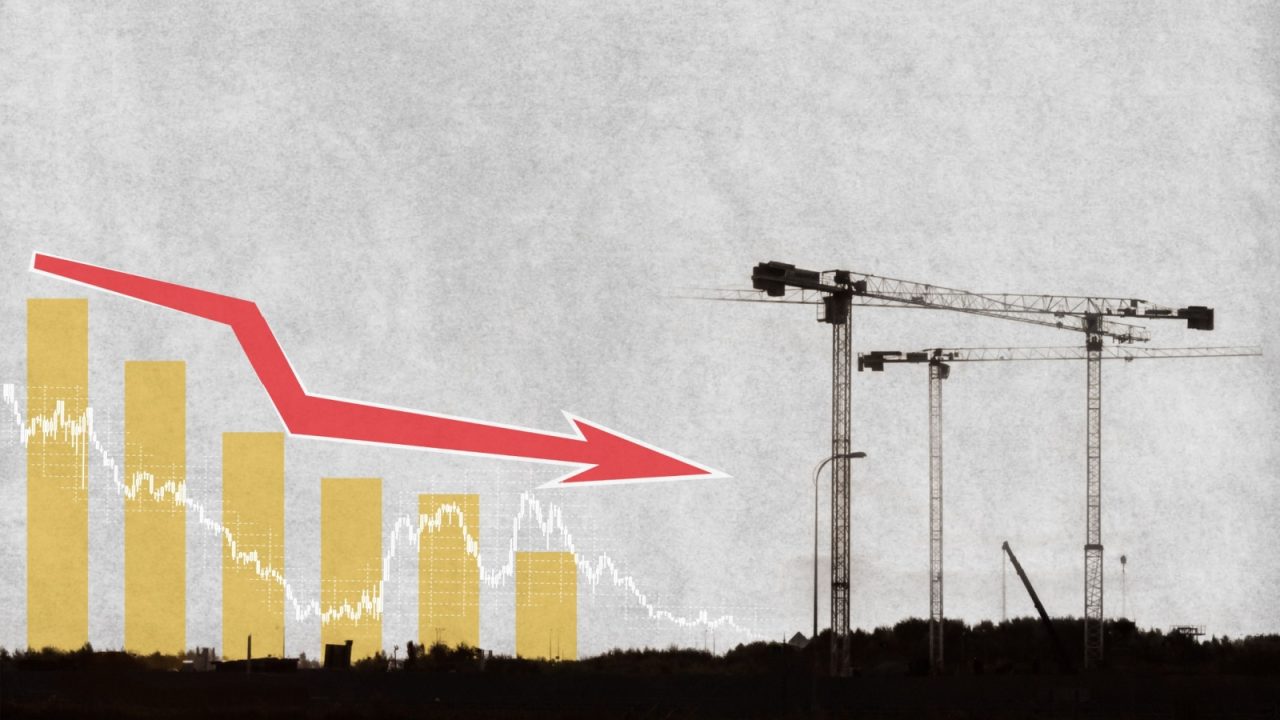
Strengthen Supply Chain Management in a Volatile Market
While many parts of the supply chain are uncertain, construction professionals can only change the parts that are in their control. Zero in on three key areas: estimating jobs and materials needed, monitoring project progress and communicating with the team.
Under the Impression That Repeatable Processes Aren’t for Construction? Think Again
Repeatable processes ensure consistency, organizational efficiency and less waste. Improve workflows by applying these processes to estimates, project management and managing content.
Did Your Project Planning Stop With a COVID-19 Shutdown?
Businesses are currently operating in an increasingly dynamic environment with various federal and state executive orders due to COVID-19. Which projects should be continued, and what can go on hold?
Hurry Up and Wait: Pacing and Concurrent Delay in Schedule Disputes
When critical path activities are delayed by the owner (or another party), contractors will sometimes “pace,” or slow down, other activities to match the owner-caused delay. What should contractors do to preserve their rights to obtain more than a simple time extension?